

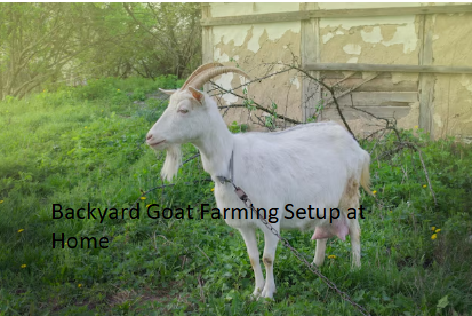
Starting a backyard goat farming setup at home requires careful planning and a commitment to animal welfare. Many suburban and rural hobbyists find success by focusing on small-scale management rather than industrial production methods. You can transform a modest plot of land into a productive space by prioritizing shelter, nutrition, and local zoning compliance.
This article provides the essential steps to build a sustainable goat operation while ensuring your animals remain healthy and happy. By understanding the specific needs of your herd, you will create a manageable environment that fits your lifestyle and available space.
Managing a successful backyard goat farming setup at home typically costs between $500 and $2,000 for the initial infrastructure, excluding the price of the goats themselves. You will spend the bulk of your budget on high-quality fencing and a dry, draft-free shelter. Operating costs vary based on your feed sourcing, but expect to allocate roughly $20 to $50 per goat each month for hay, minerals, and veterinary supplies.
If you source materials from local salvage yards or repurpose existing structures, you can often trim these startup costs by up to 30%. Always prioritize sturdy containment over cosmetic appeal to prevent expensive escapes.
Zoning and Legal Requirements
Before purchasing your first animal, you must verify your local municipal ordinances regarding livestock. Many suburban neighborhoods enforce strict rules against goats, often classifying them as agricultural rather than companion animals.
Check your city’s zoning bylaws to see if there are minimum acreage requirements or specific distance mandates between the barn and your neighbor’s property line. Some jurisdictions require a special use permit, which may involve a public hearing process.
Contact your local agricultural extension office for advice on navigating these regulations. They often have fact sheets that outline the specific ordinances for your county or township.
If you live in an area with a homeowners association, review the CC&Rs carefully to ensure livestock is not prohibited. Failing to secure these permissions can result in heavy fines or the forced relocation of your herd.
Selecting the Right Breed
The breed you choose should align with your primary goal, whether that is milk production, fiber, or simply brush control. Nigerian Dwarf goats are popular for home setups because of their small stature and high milk butterfat content.
They require less food than standard dairy breeds like Saunas or Alpines, making them easier to manage in limited spaces. If you are interested in fiber, Angora or Pygora goats provide luxury fleeces but require more frequent grooming.
Meat breeds such as Kiko or Boer goats are generally larger and more robust, though they can be harder on fencing. Consider the temperament of the breed, especially if you have children or plan to handle the animals daily.
Docile breeds are easier to milk and vaccinate, saving you significant frustration during routine health checks. Always visit a local breeder to observe the herd’s behavior before committing to a purchase.
Designing the Shelter and Housing
Goats are notoriously sensitive to moisture and cold drafts, meaning your housing must be bone-dry. A simple three-sided shed facing away from the prevailing wind is often sufficient in mild climates.
Ensure the roof is watertight and the floor is elevated slightly to prevent water from pooling inside during heavy rain. Use deep bedding like wood shavings or straw to absorb moisture and provide insulation.
Ventilation is just as important as protection from the elements. While you want to keep the wind out, you must allow ammonia from urine to escape, or your goats will develop respiratory issues.
Place vents near the top of the structure to allow hot, moist air to rise and exit. Regular cleaning of the bedding is the most effective way to manage air quality and prevent hoof rot.
Fencing and Security
Fencing is the most critical investment in your backyard goat farming setup at home. Goats are escape artists that will test every weak point in your perimeter.
Woven wire fencing, often called “no-climb” fencing, is the gold standard for keeping goats in and predators out. Avoid using barbed wire, as it can easily snag their hides and cause severe injury.
Electric fencing can serve as an excellent secondary barrier to discourage goats from rubbing against or jumping over the primary fence. You should aim for a height of at least 48 inches for most breeds to prevent jumping.
Bury the base of your fencing or add a bottom rail to prevent them from pushing their way underneath. Check the perimeter weekly for sagging spots or loose posts to maintain security.
Nutrition and Feeding Strategy
Goats are browsers, not grazers, meaning they prefer to eat leaves, weeds, and shrubs over short grass. A healthy diet consists primarily of high-quality hay, supplemented by a loose mineral mix designed specifically for goats.
Avoid feeding them lawn clippings or toxic garden plants like azaleas or rhododendrons. You can find detailed nutritional requirements through the United States Department of Agriculture databases.
Fresh water must be available at all times, as a goat’s metabolism is highly sensitive to hydration levels. In the winter, you may need a heated water bucket to prevent freezing.
Provide a hay feeder that keeps the food off the ground to reduce waste and prevent the ingestion of parasites. Monitoring their body condition score regularly will help you adjust rations based on their activity and health.
Comparing Production Goals
The financial and labor requirements of your operation depend on the specific output you desire. The table below illustrates the relative intensity of different goat farming objectives.
| Goal | Labor Intensity | Space Required | Primary Input |
|---|---|---|---|
| Brush Control | Low | Moderate | Fencing |
| Milk Production | High | Low | Feed/Equipment |
| Fiber/Wool | Moderate | Low | Grooming |
| Meat/Breeding | Moderate | High | Pasture |
Managing Herd Health
Preventative health care is the cornerstone of keeping a small herd thriving. You will need to establish a relationship with a large animal veterinarian who is willing to treat goats, as many small animal vets do not have the necessary experience.
Common health tasks include regular deworming, hoof trimming every 6 to 8 weeks, and routine vaccinations. Keep a dedicated medical kit on hand that includes supplies for treating bloat, pinkeye, and minor wounds.
* Maintain a supply of antiseptic spray for cleaning minor cuts.
* Keep a thermometer to monitor for signs of fever or illness.
* Stock a hoof trimmer designed specifically for caprine anatomy.
* Maintain records of every vaccination and deworming session.
* Isolate any new goats for at least 30 days to prevent disease spread.
Essential Daily Operations
Running a farm requires a consistent routine that ensures every animal’s needs are met without fail. Your daily schedule should include a quick visual inspection of every goat to check for signs of lethargy or injury.
Feed them twice daily and ensure their water is clean and plentiful. Cleaning the barn area every few days prevents the buildup of parasites and maintains a pleasant environment.
Record keeping is an often overlooked aspect of home farming. Tracking breeding dates, kidding milestones, and weight gain will help you make informed decisions about your herd’s future.
Use a simple notebook or a digital spreadsheet to log expenses and income if you intend to sell offspring or products. This data will prove invaluable when you need to evaluate the productivity of your setup.
Frequently Asked Questions
How many goats should I start with?
Goats are herd animals and suffer from extreme stress if kept alone. You should always start with at least two goats to ensure they have a companion for social interaction.
Can I keep goats in a standard suburban backyard?
It depends on the size of your yard and local regulations. While you don’t need massive acreage, you need enough space to provide a clean, dry shelter and an exercise area that is not just a muddy patch of dirt.
Do goats eat everything they see?
Despite the popular myth, goats are actually quite picky eaters. While they enjoy a wide variety of plants, they are sensitive to many common garden flowers that can be toxic.
Is it expensive to maintain a small herd?
The initial setup is the most expensive part of the process. Once you have the infrastructure in place, the monthly costs are mostly limited to high-quality hay, minerals, and occasional veterinary visits.
How do I handle goat waste?
Goat manure is an excellent fertilizer for gardens, provided it is composted properly first. You can build a simple composting bin to manage the waste and turn it into a valuable asset for your landscaping.
Conclusion
Establishing a successful backyard goat farming setup at home is a rewarding journey that blends animal husbandry with practical land management. By prioritizing the structural integrity of your housing and the nutritional needs of your herd, you create a sustainable environment that avoids the common pitfalls of hobby farming. Success rests on your ability to maintain consistent health routines and adhere to local regulations.
As you gain experience, you will find that a well-managed herd becomes a manageable and fulfilling part of your daily life. Start small, focus on the fundamentals, and enjoy the unique experience of raising these intelligent, engaging animals in your own space.
