

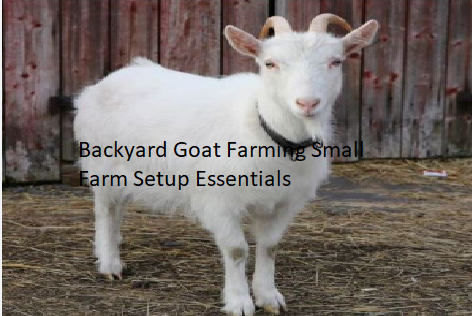
Starting a backyard goat farming small farm setup requires careful planning and a realistic understanding of animal husbandry. You need to balance local zoning laws, space requirements, and the specific needs of your chosen breed to ensure long-term success. This article details the structural, dietary, and regulatory foundations necessary to manage a healthy herd on a limited footprint.
By focusing on efficient space utilization and preventative care, you can transition from a hobbyist to a successful small-scale producer. Understanding these core requirements early will save you significant time, money, and stress as your operations grow.
Initial Planning and Legal Requirements
Before bringing your first animal home, you must verify the zoning regulations for your specific property. Many suburban and semi-rural areas have strict ordinances regarding livestock density, noise, and manure management.
Check with your local municipal office or county extension agent to confirm if goats are permitted on a lot of your size. Some jurisdictions require a minimum acreage per animal, while others focus on setbacks from neighboring homes.
You should also consider the impact on your neighbors regarding potential odor and noise. Goats, particularly bucks, can be vocal during breeding season, and persistent bleating can cause friction in close quarters.
Installing solid fencing and maintaining a clean, dry barn will mitigate most common complaints from residents living nearby. Keep a record of your permits or zoning variances in a safe place should you ever need to produce them for an inspector.
Selecting the Ideal Goat Breed
The best breed for your situation depends entirely on your primary goal, whether it is milk production, meat, or simple brush clearing. Dairy breeds like the Nigerian Dwarf or the Nubian are popular for small setups due to their manageable size and high milk yields.
Nigerian Dwarfs are particularly well-suited for backyard environments because they require less feed and space than larger commercial breeds. Meat breeds, such as the Kiko or Boer, are generally hardier but require more pasture room to thrive compared to dairy goats.
Popular Goat Breeds for Small Farms
- Nigerian Dwarf: Excellent for small milk production and manageable temperament.
- Nubian: Known for high butterfat content in milk and friendly, if loud, personalities.
- Pygmy: Mostly kept as pets or for light brush management; not ideal for heavy milking.
- Kiko: Extremely hardy with strong parasite resistance, perfect for lower-input systems.
- Mini-Mancha: A crossbreed that combines the docile nature of the LaMancha with the compact size of the Nigerian Dwarf.
Infrastructure and Shelter Construction
Goats are highly sensitive to moisture and drafts, making a dry, well-ventilated shelter a non-negotiable component of your setup. A simple three-sided shed can suffice in mild climates, but you should aim for a fully enclosed structure if your area experiences harsh winters.
Ensure the floor is elevated or covered in deep bedding to prevent hoof rot and dampness. You should allocate approximately 10 to 15 square feet of indoor space per goat to prevent overcrowding.
Fencing is perhaps the most significant investment you will make in your farm. Goats are notorious escape artists and can easily clear standard four-foot chain-link fences.
Woven wire fencing, often called “no-climb” fencing, is the gold standard for keeping goats contained while keeping predators out. You should bury the bottom of the fence a few inches into the ground to prevent burrowing animals from accessing the pen.
Nutrition and Forage Management
Goats are browsers rather than grazers, meaning they prefer to eat leaves, shrubs, and weeds over short grass. A backyard goat farming small farm setup must provide a variety of forage to keep the animals healthy and reduce feed costs.
If you lack natural browse, you must supplement their diet with high-quality hay and specifically formulated goat minerals. Copper, in particular, is an essential mineral for goat health that is often missing from standard livestock feeds.
| Feed Type | Frequency | Purpose |
| :— | :— | :— |
| Grass Hay | Ad-libitum | Primary fiber source and gut health |
| Alfalfa | Controlled | High protein for lactating does |
| Goat Minerals | Daily | Essential trace elements like Copper |
| Fresh Water | Constant | Critical for milk production and digestion |
| Vegetable Scraps | Occasional | Enrichment and vitamin boost |
Always keep a clean, reliable water source available at all times. Goats are notoriously picky drinkers and will refuse water that has been contaminated by debris or manure.
Scrub out water troughs at least twice a week to maintain hygiene. Consult the eXtension Foundation for detailed information on regional forage availability and specific nutritional requirements for different life stages.
Health and Veterinary Care
Maintaining a healthy herd requires a proactive approach to parasite management, as internal worms are the leading cause of health issues in small-scale goat farming. Use the FAMACHA system, which involves checking the color of the goat’s lower eyelid to assess anemia levels caused by parasites.
This method allows you to treat only the animals that need it, which helps prevent the development of drug-resistant worm populations. You should establish a relationship with a local large-animal veterinarian before an emergency occurs.
Hoof trimming is another routine task that you must master to prevent lameness and bacterial infections. Most goats require a hoof trim every six to eight weeks, depending on the terrain and growth rate.
Invest in a high-quality pair of hoof trimmers and a sturdy milking stand to make the process safer for both you and the animal. Keep a basic medical kit on hand containing antiseptic sprays, thermometer, electrolytes, and bandages for minor scrapes or injuries.
Managing Manure and Waste
One of the significant advantages of goat farming is the high quality of their manure as a fertilizer for your garden. Goat droppings are “cold” manure, meaning you can often apply them directly to soil without the extensive composting required for horse or cow manure.
However, composting is still recommended to kill any lingering weed seeds or parasite eggs before you spread it on your vegetables. Set up a dedicated composting bin or pile away from the main grazing area to manage the volume of waste efficiently.
Design your barn layout to make waste removal as easy as possible. Deep litter bedding systems, where you add fresh straw on top of old bedding throughout the winter, can generate significant amounts of heat for the goats.
Once spring arrives, you can clean out the entire shed and move the nutrient-rich bedding directly to your garden beds. This closed-loop system saves money on fertilizer and keeps your goat housing sanitary throughout the year.
Economic Considerations and Profitability
While many people start a backyard goat farming small farm setup as a hobby, it is possible to offset your costs through various revenue streams. Selling excess milk, making soap, or raising kids for sale are the most common ways to bring in income.
You should track every dollar spent on feed, vet bills, and infrastructure to understand your true cost of production. Keeping detailed records will help you identify which goats are profitable and which are simply consuming resources without providing a return.
Small-scale production rarely competes with industrial dairy operations, so focus on niche markets. High-quality goat milk soap or artisanal cheeses can fetch a premium price at local farmers’ markets.
Consider the time commitment required for processing dairy products, as this often exceeds the time spent on actual animal care. If your goal is purely financial, calculate your break-even point before investing in expensive equipment like pasteurizers or commercial-grade milking machines.
Frequently Asked Questions
Is a small goat farm profitable?
Profitability depends on your goals and your ability to market value-added products. If you strictly sell milk, it is difficult to cover the costs of feed and care. However, if you sell high-value items like artisanal soap, goat cheese, or registered breeding stock, you can create a sustainable income stream that covers your operational expenses.
What is the best goat breed for a small farm?
For most backyard setups, the Nigerian Dwarf is considered the best breed due to its small size, gentle temperament, and high-quality, high-fat milk. They are easier to handle than larger breeds and require significantly less feed, making them ideal for limited acreage.
How many acres do you need to raise 100 goats?
Raising 100 goats is generally not feasible for a typical “backyard” setup. You would need at least 15 to 20 acres of high-quality pasture to support a herd of that size, depending on your supplemental feeding program. Most backyard setups should be limited to 2 to 5 goats to ensure they have enough space to thrive without overgrazing the land.
How long does it take 10 goats to clear an acre?
If the acre is heavily overgrown with brush and weeds, 10 goats can clear the majority of the vegetation in approximately two to three weeks. However, this depends on the density of the brush and the size of the goats. You must be prepared to move them to a new area once they have stripped the foliage to prevent them from eating the bark off trees or destroying desirable plants.
What are the biggest challenges in starting a small goat farm?
The most common challenges are parasite control, fencing security, and finding reliable veterinary care for small ruminants. Many new farmers underestimate the time required for daily chores and the impact of local zoning laws on their ability to expand.
Planning for Future Growth
Implementing a successful backyard goat farming small farm setup is a journey that requires constant learning and adaptation. Start small with two or three goats to gain experience before deciding whether to expand your herd or diversify your farm products. Always prioritize the welfare of your animals, as a healthy, low-stress environment is the foundation of any productive farm.
By staying diligent with your record-keeping and maintenance, you will find that the rewards of raising goats—from fresh dairy to a thriving garden—far outweigh the initial setup hurdles. Connect with local 4-H clubs or agricultural groups to share knowledge and find resources that can help you improve your management techniques. Your commitment to best practices will ensure that your farm remains a productive and enjoyable part of your lifestyle for years to come.
