

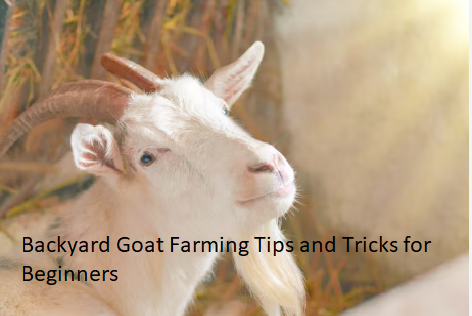
Successful backyard goat farming tips and tricks hinge on understanding that these animals are social, intelligent, and highly sensitive to their environment. Managing a small herd requires balancing their nutritional needs, secure housing, and consistent health monitoring to ensure they thrive in a residential or small-scale agricultural setting.
By focusing on preventative care and proper infrastructure, you can avoid the common pitfalls that often overwhelm new owners. This article provides the essential framework for maintaining a productive and healthy goat operation while adhering to local zoning regulations and best practices for small-scale animal husbandry.
Starting with the Right Breed and Herd Size
Choosing the correct breed is the most important decision for your success. If your primary goal is milk production, breeds like the Alpine, Nubian, or Nigerian Dwarf are industry standards. Nigerian Dwarf goats are particularly popular for small backyards because they require less space and are easier to handle than larger dairy breeds.
If you are interested in fiber, consider Angora or Cashmere goats, though these require specific grooming routines to keep their coats healthy. For meat production, Kiko or Boer goats are often selected due to their growth rates and hardiness.
Regardless of the breed, always start with at least two goats. Goats are herd animals and suffer from extreme stress or depression if kept in isolation.
When calculating space, aim for a minimum of 10 to 15 square feet of indoor shelter per goat. For outdoor exercise, you need at least 200 square feet of pasture or dry lot per animal to prevent overgrazing and parasite buildup.
Avoid the temptation to overstock your land early on. It is much easier to add a goat to your herd later than it is to manage an overgrazed, muddy lot filled with parasites.
Constructing Secure and Functional Housing
Your goat shelter must be dry, draft-free, and predator-proof. Goats are notoriously averse to rain and cold; a simple three-sided shed is often insufficient in climates with harsh winters. Ensure the roof is watertight and the floor is elevated or well-drained to prevent hoof rot.
Ventilation is just as important as insulation. Stagnant air leads to respiratory infections, especially in enclosed barns.
Position windows or vents near the roofline to allow moisture to escape without creating a direct draft on the animals. Use deep litter bedding, such as wood shavings or straw, which you can layer over time to provide warmth and manage waste efficiently.
Predator control is a non-negotiable aspect of backyard management. Use high-tensile woven wire fencing at least 4 to 5 feet high to keep goats in and coyotes or loose dogs out.
Check the base of your fence regularly for gaps, as goats are expert escape artists and will exploit even the smallest opening. Secure doors with heavy-duty latches that cannot be opened by curious noses or clever paws.
Essential Nutritional Requirements
Goats are browsers, not grazers, meaning they prefer eating brush, weeds, and leaves over flat grass. Providing a high-quality forage base is the foundation of their diet. If your backyard lacks browse, you must supplement with high-quality hay, such as alfalfa or orchard grass, to ensure they receive adequate fiber and protein.
Access to clean, fresh water is the single most critical factor in goat health. A goat will drink between 1 and 3 gallons of water daily, depending on the temperature and their lactation status. Use heated water troughs in winter to prevent freezing, as goats will often refuse to drink ice-cold water, leading to dehydration and potential urinary calculi.
Mineral supplementation is vital for preventing deficiencies that lead to poor growth and reproductive issues. Provide a loose mineral mix specifically formulated for goats, not sheep or cattle, as these often contain incorrect levels of copper.
You can find detailed nutritional guidelines through the Penn State Extension goat nutrition resources, which offer authoritative data on feed management. Baking soda should also be available free-choice at all times to help buffer their rumen and prevent bloating.
Managing Health and Parasites
Internal parasites, particularly stomach worms like Haemonchus contortus, are the biggest threat to backyard goat health. Because goats graze close to the ground, they easily ingest larvae from manure-contaminated pastures. Implement a rotational grazing system to break the parasite lifecycle by moving goats to fresh paddocks every few weeks.
Perform FAMACHA scoring regularly to check for anemia, which is a primary indicator of a heavy worm load. This involves pulling down the lower eyelid to inspect the color of the mucous membranes. A pale pink or white color suggests the goat requires immediate deworming, while a deep red color indicates the animal is healthy.
Hoof care is another routine maintenance task you must master. Overgrown hooves can lead to lameness and permanent joint damage.
Invest in a sharp pair of hoof trimmers and aim to trim your goats’ hooves every 6 to 8 weeks. Keep a basic medical kit on hand containing thermometer, antiseptic spray, electrolytes, and needles for emergency care.
Common Goat Farming Expenses
Understanding the financial commitment is part of successful backyard goat farming tips and tricks. While initial startup costs can be high, ongoing maintenance is generally manageable if you plan for it. The table below outlines typical annual expenses for a small herd of two to three goats.
| Expense Category | Estimated Annual Cost |
|---|---|
| High-Quality Hay | $300 – $500 |
| Grain and Supplements | $150 – $250 |
| Veterinary/Dewormer | $100 – $200 |
| Bedding/Maintenance | $100 – $150 |
Legal and Zoning Considerations
Before bringing your first goat home, check your local municipal ordinances. Many suburban areas have strict rules regarding livestock, even if you are on a larger lot. Some cities require a minimum acreage, while others have specific setbacks for how far a barn must be from a neighbor’s property line.
Talk to your neighbors early in the process. Goats can be noisy, especially during breeding season or when they are separated from their herd mates. Being transparent about your plans and maintaining a clean, odor-free facility will go a long way in preventing neighbor complaints.
Register your farm with your local agricultural extension office or state department of agriculture. This often provides you with a premises ID number, which is necessary if you plan to sell animals or participate in state-sponsored health programs. Keeping accurate records of births, deaths, and health treatments is also a legal requirement in many jurisdictions for livestock tracking.
Breeding and Reproduction Basics
If you decide to breed your goats, you need a plan for the kids. Does typically have a gestation period of about 150 days.
Successful kidding requires a clean, draft-free area and a basic understanding of the birthing process. Most goats handle delivery well on their own, but you should be prepared to assist if a kid is in the wrong position.
Disbudding (removing horn buds) and castrating bucklings are common practices for backyard owners. These procedures are best performed within the first two weeks of life to minimize stress and pain. If you are not experienced, hire a mobile veterinarian or an experienced breeder to demonstrate the correct techniques.
Identify your goals for the offspring early. If you are raising goats for milk, you will need to breed your does annually to keep them in production.
If you are raising them as pets or for land clearing, keep in mind that you will eventually have to manage the population growth. Selling wethers (castrated males) as brush-clearing companions is a common way to manage herd numbers.
Essential Tools for Goat Owners
You do not need an expensive barn full of machinery to run a successful backyard operation. A few well-chosen tools will save you significant time and effort. Below is a list of must-have items for every goat keeper.
- Hoof trimmers: High-quality, sharp steel trimmers are essential for foot health.
- Mineral feeders: Weather-proof containers that keep loose minerals dry and clean.
- Grooming brushes: Stiff-bristled brushes help remove loose hair and parasites.
- Collar and lead: Essential for moving goats safely during health checks.
- Thermometer: A basic digital thermometer for checking rectal temperatures during illness.
- Storage bins: Airtight containers for grain to keep rodents away from the feed supply.
Frequently Asked Questions
How many goats can I keep on a half-acre lot?
A half-acre lot can comfortably support two to four goats, provided you manage the vegetation and rotate them between smaller paddocks. If you keep more than four, you will likely struggle with overgrazing, mud, and a rapid increase in parasite populations.
Why do goats need baking soda in their diet?
Goats are prone to acidosis and bloat, which occur when their rumen pH becomes too acidic. Baking soda acts as a natural buffer that they will consume instinctively to balance their stomach acid, especially if they are being fed grain.
What is the most difficult aspect of raising goats?
Managing internal parasites is widely considered the most difficult challenge for goat owners. Because many worms have developed resistance to common dewormers, owners must focus on pasture management and selective breeding for parasite resistance rather than relying on chemicals.
What should a first-time goat owner know before buying?
You must understand that goats are high-maintenance compared to other backyard animals like chickens. They require daily attention, specialized fencing, and a veterinarian who is willing to treat small ruminants, which can be difficult to find in some suburban areas.
How do I know if my goat is sick?
Goats are prey animals and will hide signs of illness until they are very sick. Watch for subtle changes such as a goat standing away from the herd, a decrease in appetite, a dull coat, or a change in the consistency of their manure.
Conclusion
Mastering the fundamentals of backyard goat farming requires a blend of patience, observation, and preparedness. By focusing on the health of your soil and the nutritional needs of your herd, you create a sustainable environment where these animals can thrive. Always prioritize secure housing and parasite management, as these are the two pillars that prevent the most common and costly issues.
Remember that every goat has a unique personality, and spending time observing them will help you catch potential health problems before they become emergencies. Implementing these backyard goat farming tips and tricks will help you enjoy the rewards of keeping goats, whether you are interested in milk, fiber, or simply the enjoyment of having them on your property. Reach out to local agricultural groups or fellow breeders to gain hands-on experience, and stay committed to the daily care your goats deserve.
