

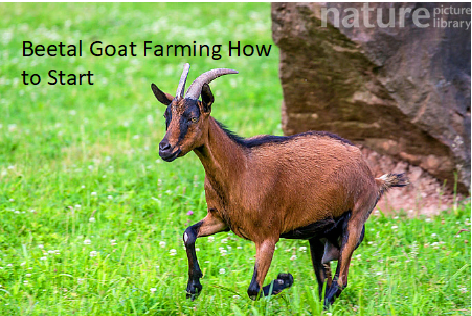
Understanding the nuances of beetal goat farming how to start requires a clear grasp of both the breed’s characteristics and the logistical demands of livestock management. Beetal goats are highly valued for their dual-purpose nature, providing both significant milk yields and high-quality meat. By focusing on breed-specific care, proper infrastructure, and strategic planning, you can establish a profitable operation.
This article provides the foundational knowledge needed to initiate your venture, covering everything from initial setup costs to herd management strategies that ensure long-term sustainability. Whether you are aiming for a small homestead setup or a larger commercial enterprise, knowing how to manage the unique requirements of this hardy breed is essential for success.
Initial Setup and Cost Requirements
The primary question regarding beetal goat farming how to start involves the initial financial outlay. For a beginner aiming to manage a starter flock of 10 to 20 goats, you should anticipate an investment ranging from $3,000 to $8,000. This budget covers the purchase of foundation stock, basic shed construction, initial feed supplies, and veterinary supplies.
Purebred Beetal goats are more expensive than crossbreeds, often costing between $250 and $500 per head depending on age, pedigree, and local market demand. Always allocate at least 20% of your total budget as a contingency fund for emergency veterinary care or unexpected feed price fluctuations. You do not need massive acreage to begin; a small hobby farm can operate successfully on as little as 0.5 to 1 acre if you utilize intensive stall-feeding methods.
Understanding the Beetal Breed
Beetal goats are renowned for their tall stature, long ears, and impressive milk production capabilities. A mature, healthy female can produce between 1.5 to 2.5 liters of milk per day under optimal management conditions. Their adaptability makes them a popular choice for farmers in diverse climates, though they thrive best in regions with moderate temperatures.
Because of their fast growth rate, they are also highly sought after for meat production. When selecting your foundation stock, look for animals with a convex nose, a compact body, and a history of high fertility. Avoid purchasing goats with signs of respiratory distress or poor coat condition, as these are indicators of underlying health issues.
Housing and Infrastructure Needs
Proper housing is a cornerstone of success in goat farming. Goats require a clean, dry, and well-ventilated structure to prevent the buildup of ammonia and moisture, which can lead to respiratory illnesses. You should design your shed to provide at least 10 to 12 square feet of floor space per animal.
Raised flooring made of wooden slats is often preferred, as it allows waste to fall through and keeps the bedding area dry. Ensure that your enclosure features a secure fencing system, as Beetal goats are agile and prone to wandering if not contained. A perimeter fence at least 4 to 5 feet high is usually sufficient to discourage jumping and keep out predators.
Essential Nutrition and Feed Management
Nutrition dictates the growth, milk yield, and disease resistance of your herd. Beetal goats are browsers, meaning they enjoy a variety of leaves, shrubs, and grasses rather than just grazing on ground cover. A balanced diet should consist of high-quality green fodder, dry hay, and a concentrated feed mix.
You should provide approximately 3 to 4 kilograms of green fodder per adult goat daily. Supplementing this with a protein-rich concentrate mix containing grains like maize, wheat bran, and oil cakes is crucial for lactating does. Always ensure constant access to clean, fresh water, as dehydration significantly reduces milk output and slows growth rates.
Health and Disease Prevention
Maintaining herd health is a proactive process rather than a reactive one. You must establish a consistent vaccination schedule to protect your goats against common diseases like PPR (Peste des Petits Ruminants), Enterotoxemia, and Foot-and-Mouth Disease. Consult with a local veterinarian to create a schedule tailored to your specific region and the prevalence of local pathogens.
Regular deworming, performed every 3 to 4 months, is critical to prevent internal parasites from stunting growth. Keep a detailed log of every animal’s health history, including dates of injections and observations of weight gain. For more information on managing livestock health, you can review the Food and Agriculture Organization of the United Nations guidelines on animal husbandry.
Herd Management and Breeding
Effective breeding management determines the long-term profitability of your farm. A healthy Beetal doe typically reaches sexual maturity at 8 to 10 months of age. You should aim for a kidding interval of about 8 months to maximize production cycles.
Keep careful records of heat cycles and mating dates to predict kidding times accurately. A productive herd requires a selective breeding strategy, where you only breed the best-performing does with high-quality, unrelated bucks. This practice helps prevent inbreeding and ensures that desirable traits, such as high milk volume and rapid weight gain, are passed on to the next generation.
Market Analysis and Income Streams
Diversifying your income streams is a smart way to stabilize your cash flow. While milk and meat are the primary products, you can also generate revenue through the sale of breeding stock and organic manure. Many farmers find success by selling goat milk directly to local consumers or specialty cheese makers.
Meat production offers a quicker turnaround, as kids can often be sold for slaughter within 6 to 9 months. Below is a summary of the potential revenue sources associated with this type of livestock enterprise:
| Revenue Source | Frequency | Market Potential |
|---|---|---|
| Milk Sales | Daily | High (Local demand) |
| Meat (Kids) | Bi-annually | High (Festival demand) |
| Breeding Stock | Annually | Moderate (Niche buyers) |
| Manure/Compost | Continuous | Low (Supplemental) |
Operational Milestones for Beginners
Starting your farm requires hitting specific milestones to ensure you don’t grow too fast. In your first six months, focus entirely on infrastructure and securing a reliable feed supply. Once the housing is ready, purchase only a few animals to learn the nuances of their behavior and health needs.
By the end of your first year, you should have successfully completed a full breeding cycle and established a relationship with a local vet. It is helpful to follow a structured roadmap during your first year of operation:
- Month 1-2: Finalize site selection and construct the main goat shed.
- Month 3: Secure a reliable source for high-quality, disease-free foundation stock.
- Month 4: Begin a strict vaccination and deworming program for all new arrivals.
- Month 6: Evaluate growth rates and adjust feed ratios for optimal performance.
- Month 9: Identify top-performing does and prepare for the second breeding cycle.
Frequently Asked Questions
How many goats should a beginner start with?
A beginner should start with a small herd of 5 to 10 does and 1 buck. This size allows you to learn the daily requirements of herd management without becoming overwhelmed by the labor or financial risk of a large-scale operation.
How much space do I need for 20 goats?
For 20 goats, you should provide at least 200 to 240 square feet of indoor housing space. If you intend to let them graze, you will need at least 2 to 3 acres of managed pasture to avoid overgrazing and parasite buildup.
What is the biggest challenge in beetal goat farming?
The most common challenge is managing internal parasites and respiratory issues caused by poor ventilation. Consistent hygiene and a strict medical schedule are the only ways to mitigate these risks effectively.
Can Beetal goats be kept in a stall-fed system?
Yes, they are excellent candidates for stall-feeding because of their high metabolism and efficient feed conversion. This system is often preferred in urban or peri-urban settings where land is limited and biosecurity is a priority.
Is it profitable to raise Beetal goats for meat?
Yes, it is highly profitable due to their rapid weight gain and the high demand for chevon. By maintaining a well-fed herd, you can reach market weight for kids within a relatively short period, ensuring a steady return on investment.
Conclusion
Starting your journey into this livestock sector requires patience and a commitment to animal welfare. By mastering the basics of beetal goat farming how to start, you position yourself to build a resilient and productive operation. Focus your initial efforts on quality housing and a preventive health schedule, as these factors determine the long-term viability of your herd.
As you gain experience, you will naturally refine your feeding and breeding strategies to increase your profit margins. Success in this field is earned through daily attention to detail and a willingness to learn from your animals. If you stay consistent with your management practices, you will find that goat farming provides a rewarding and sustainable path toward agricultural independence.
