

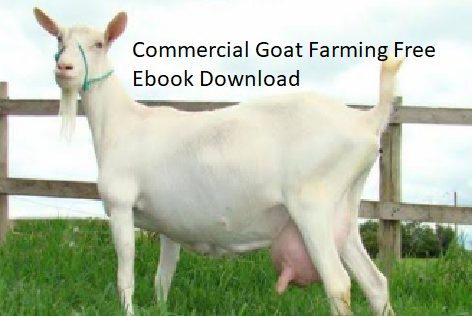
Securing a reliable commercial goat farming free ebook download is often the first step for aspiring entrepreneurs looking to enter the livestock industry. While many online resources offer basic tips, finding a structured, technical manual can save you months of trial and error in herd management and financial planning.
By accessing high-quality digital guides, you gain immediate insights into breed selection, nutritional requirements, and market analysis without the high cost of formal agricultural consulting. This article provides a clear breakdown of what you need to succeed in this sector and how to utilize professional documentation to build a sustainable farming business from the ground up.
Initial Investment and Financial Realities
To answer the most pressing question for new entrants, the total startup cost for a small commercial goat operation typically ranges from $5,000 to $15,000 for a base herd of 20 to 30 does. This figure covers basic infrastructure, initial stock purchase, and the first six months of feed supplies.
You must view these costs not as static expenses, but as capital investments that require a clear amortization schedule. A high-quality commercial goat farming free ebook download often contains spreadsheet templates that help you track these specific expenditures against projected revenue.
Profitability in this sector usually begins around the 18th to 24th month of operation, depending on your chosen market niche. If you focus on high-demand products like goat cheese or specialized meat cuts, your break-even point may arrive faster than if you sell strictly on the commodity market.
Maintaining a strict record of your variable costs—such as veterinary bills, mineral supplements, and transport fees—is essential for long-term viability. Many successful farmers utilize the data found in technical manuals to adjust their feeding programs, which often represent 60% to 70% of total operating expenses.
Selecting the Right Breed for Your Climate
Choosing the correct breed is the most significant decision you will make before acquiring your first animal. You must match the biological needs of the goat to your specific local environment, forage availability, and market demand.
For instance, Boer goats are industry leaders for meat production due to their rapid growth rates and heavy muscling, while Nubian or Saanen goats are preferred for dairy operations. A professional guide will explain the concept of breed hardiness, which refers to an animal’s ability to thrive in your specific temperature range and humidity levels.
Crossbreeding is a common practice used to combine the desirable traits of two different breeds. You will often see terms like F1, F2, and F3 in livestock literature, which describe the generation of the cross. An F1 generation is the direct offspring of two purebred parents, typically inheriting the best traits of both.
As you move to F2 and F3 generations, you must carefully select for consistency to ensure your herd maintains the necessary meat or milk production levels. Always prioritize animals that demonstrate resistance to local parasites and diseases common in your region.
Infrastructure and Housing Requirements
Your housing setup must prioritize ventilation, dryness, and protection from predators rather than expensive aesthetics. Goats are highly susceptible to respiratory issues if kept in damp or poorly ventilated environments.
A well-designed barn should provide at least 12 to 15 square feet of floor space per doe to prevent overcrowding and stress. You should also incorporate a secure fencing system, as goats are notoriously clever at finding weaknesses in barriers.
Water access is the most overlooked aspect of goat infrastructure. A healthy, lactating goat can consume up to 3 to 5 gallons of water per day in hot weather. Installing an automated, frost-free watering system will save you significant labor hours over the course of a year.
You should also plan for a dedicated quarantine area where new animals can be kept for at least 30 days before being introduced to the main herd. This practice is the most effective way to prevent the introduction of contagious diseases into your established population.
Nutritional Management and Forage Strategy
Goats are browsers, not grazers, meaning they prefer to eat leaves, shrubs, and weeds over short grass. A commercial operation relies on a balanced nutritional program that combines natural browsing with supplemental high-quality hay or grain.
During peak lactation or the final stages of pregnancy, your herd will require a higher protein intake to maintain body condition. Professional agricultural resources often suggest consulting the USDA Agricultural Research Service for updated nutritional guidelines and feed efficiency standards.
You can categorize your feed management into three primary types to ensure year-round health:
- Pasture Browse: Utilizing native brush and shrubs to minimize feed costs during the growing season.
- High-Quality Hay: Stored forage used during winter months or periods of drought when pastures are dormant.
- Supplementation: Mineral blocks and grain rations provided to meet specific energy or lactation requirements.
Managing Herd Health and Reproduction
Reproductive efficiency is the engine of your business. A well-managed commercial herd should aim for a 1.5 to 1.8 kid crop per doe annually.
You must monitor the estrus cycles of your does closely to ensure that kidding occurs during the most favorable market conditions. Providing proper prenatal nutrition is critical, as a malnourished doe will often struggle to produce enough milk for her kids, leading to stunted growth rates.
Vaccination and deworming schedules are non-negotiable in a professional setting. Internal parasites, particularly the barber pole worm, represent the greatest threat to your herd’s health and productivity. Implement a FAMACHA scoring system to identify individual animals that need treatment rather than blanket-treating the entire herd.
This practice reduces the risk of parasite resistance to dewormers and lowers your overall medical costs. Record-keeping is vital here; you should track every health intervention for each individual animal using an ear-tag ID system.
Market Analysis and Product Distribution
Before you produce a single gallon of milk or pound of meat, you must identify your local demand. Many farmers fail because they produce products without a clear path to a buyer.
Research your local restaurants, farmers’ markets, and specialty butchers to see what they are currently importing from outside the region. If you can provide a fresher, locally sourced product, you can often command a premium price above the standard commodity rate.
The following table compares the typical profit margins and shelf-life considerations for common goat products:
| Product | Margin Potential | Shelf-Life |
|---|---|---|
| Raw Milk | Low | Very Short |
| Artisan Cheese | High | Medium to Long |
| Chevon (Goat Meat) | Medium | Long (Frozen) |
| Manure/Compost | Low | Indefinite |
Land Management and Sustainability
The amount of land you need depends heavily on your feeding strategy and local rainfall. For an intensive rotational grazing system, you might sustain 5 to 10 goats per acre if you provide supplemental feed.
If you rely solely on natural forage, that number drops significantly, potentially to 1 to 2 goats per acre. Rotational grazing is essential for soil health, as it prevents overgrazing and allows vegetation to recover between visits.
Managing your land effectively also involves soil testing to ensure your pastures are receiving the right nutrients. If the soil is deficient in minerals, your goats will be deficient as well, regardless of the quality of the forage.
You should divide your property into smaller paddocks using electric fencing to control the grazing pressure. This method also helps break the lifecycle of many parasites, as it keeps goats off the same patch of ground for extended periods.
Common Pitfalls for New Farmers
The most frequent mistake is over-investing in facilities before testing the market or understanding the daily labor requirements. You do not need a high-tech barn to start; a dry, draft-free shelter is perfectly adequate for a startup herd.
Many new farmers also underestimate the time required for daily chores, such as milking, feeding, and medical checks. If you are starting as a part-time operation, ensure your daily routine can be completed in under two hours to avoid burnout.
Another critical error is neglecting the importance of record-keeping. Without accurate data, you cannot know which does are your most productive or which bucks are passing on the best traits.
You should maintain a ledger that tracks breeding dates, kidding dates, birth weights, and individual health histories. This information is your most valuable asset when it comes time to sell breeding stock or cull underperforming animals from your herd.
Frequently Asked Questions
How many goats do you need to make a profit?
Profitability is rarely tied to a specific number of goats, but rather the efficiency of your operation. A small herd of 20 to 30 does can generate a modest income if managed for high-value products like artisanal cheese. However, if you are selling live kids for meat at market prices, you may need a herd of 100 or more to achieve significant economies of scale.
What is the most profitable goat product?
Artisan goat cheese generally offers the highest profit margin because it adds significant value to the raw milk. By processing your own milk into yogurt, kefir, or cheese, you move up the value chain and capture more of the consumer dollar. Meat production is often more scalable but typically carries tighter margins unless you sell directly to consumers.
How much land is required for 1000 goats?
For 1000 goats, you would ideally need between 100 and 500 acres depending on your management system. If you use intensive rotational grazing with significant supplemental feed, you can manage on the lower end of that scale. Without supplemental feed, you would need closer to 1000 acres to ensure the land does not become degraded by overgrazing.
What is the best way to start with minimal capital?
The best way to start is by purchasing a small number of high-quality, proven does and a single good-quality buck. Focus on mastering the basics of herd health and nutrition before expanding your numbers. Use a commercial goat farming free ebook download to build your knowledge base, which helps you avoid costly mistakes that occur when scaling too quickly.
Conclusion
Building a sustainable business in this industry requires a combination of technical knowledge and persistent attention to detail. Whether you are focusing on dairy production or meat sales, the principles of herd management, proper nutrition, and targeted market placement remain the same. By leveraging a reliable commercial goat farming free ebook download, you can gain the foundational skills needed to manage your resources effectively and avoid common pitfalls.
Start small, maintain rigorous health records, and always keep your eyes on the specific market demand in your area. As you gain confidence, you will find that a well-run goat farm can be a rewarding and profitable venture for many years to come.
