

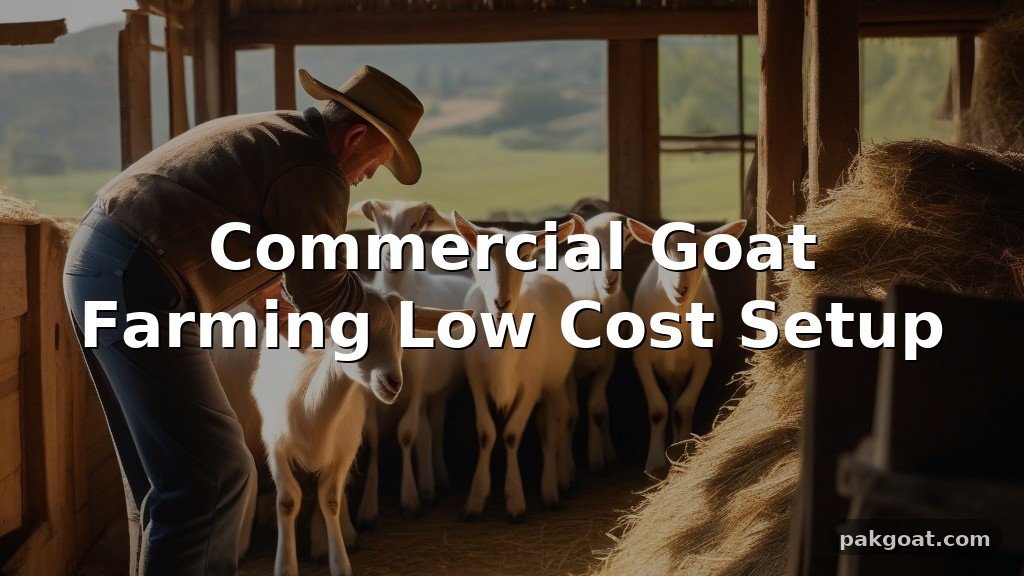
Executing a commercial goat farming low cost setup requires balancing minimal infrastructure investment with high-efficiency animal management. While many beginners assume they need massive barns and expensive equipment, the reality is that a lean operation relies on natural grazing, repurposed materials, and a focus on herd health.
By prioritizing these three areas, you can keep your overhead low while ensuring the livestock remains productive and healthy. Understanding how to allocate your capital effectively is the difference between a failing project and a sustainable, profitable venture that scales over time.
Initial Investment Requirements
A functional commercial goat farming low cost setup typically requires an initial capital investment ranging from $2,000 to $5,000 for a small starter herd of 10 to 20 animals. This figure covers the purchase of foundation stock, basic fencing, and initial veterinary supplies.
You can significantly reduce these costs by sourcing local, hardy breeds that are already acclimated to your specific climate. Avoiding high-end pedigree animals in the first year keeps your entry barrier low while you learn the nuances of herd management.
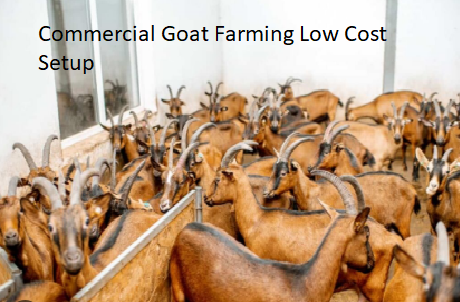
Breakdown of Essential Startup Expenses
| Category | Estimated Cost | Budget Strategy |
|---|---|---|
| Foundation Stock | $1,200 – $3,000 | Buy local mixed-breed does |
| Basic Fencing | $500 – $1,200 | Use woven wire or electric netting |
| Shelter Materials | $300 – $800 | Repurpose pallets or scrap metal |
| Initial Health/Feed | $200 – $500 | Focus on pasture rotation |
Infrastructure and Shelter Design
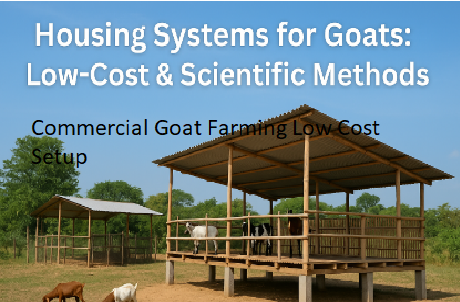
You do not need an expensive building to house your herd effectively. Goats primarily require a structure that is dry, draft-free, and well-ventilated to prevent respiratory issues.
Many successful small farmers use three-sided shelters built from reclaimed lumber or repurposed shipping containers. These structures provide enough protection from rain and wind while allowing you to maintain a very low cost for your commercial goat farming setup.
Key Housing Considerations
- Use elevated platforms or pallets to keep sleeping areas dry.
- Ensure the shelter is oriented away from prevailing winds.
- Install simple, gravity-fed waterers to save time on daily chores.
- Create separate stalls for kidding or isolating sick animals.
Feed Management Strategies
Feed is the largest recurring expense in any goat business. To keep costs down, you must maximize the time your herd spends on managed rotational grazing.
This practice allows goats to eat nutrient-dense weeds and brush, which reduces the need for expensive commercial grain. Supplementing with high-quality hay is only necessary during winter months or when pasture quality drops significantly.
Herd Health and Maintenance
Maintaining a healthy herd is cheaper than treating illnesses. You should establish a relationship with a local large-animal veterinarian early on to discuss a vaccination schedule tailored to your region.
Routine parasite management, often referred to as FAMACHA scoring, is a low-cost, high-impact skill that prevents the need for expensive dewormers. Keeping accurate records of each goat’s health and breeding history prevents costly mistakes and helps you identify your most productive animals.
Frequently Asked Questions
How many acres do I need for 100 goats?
You generally need about 1 to 2 acres of well-managed, high-quality pasture to support 100 goats through rotational grazing. If the land is poor or lacks forage, you will need to supplement with significantly more hay, which increases your overhead.
Is a small goat farm profitable?
Yes, a small operation can be profitable if you target niche markets like local farmers’ markets, restaurants, or direct-to-consumer meat sales. Profitability relies on keeping your fixed costs low and maintaining high birth rates within your herd.
What is the biggest cost in goat farming?
Feed and hay usually account for 60% to 70% of total operating expenses. Minimizing this by utilizing natural forage is the primary way to ensure your business remains in the black.
How often do goats need vet care?
Routine care includes annual vaccinations and hoof trimming every 6 to 8 weeks. Emergency costs are unpredictable, so setting aside a small “health fund” from your profits is a smart business move.
Final Thoughts on Operational Success
Achieving a sustainable commercial goat farming low cost setup is entirely possible if you remain disciplined with your spending. Focus on building a resilient, healthy herd before investing in expensive infrastructure or fancy equipment. By keeping your operational expenses low and your grazing management tight, you position yourself to scale slowly and successfully.
If you have questions about specific breeds or local grazing requirements, reach out to your local agricultural extension office for region-specific advice. Taking the time to build a solid foundation ensures that your venture stays profitable as you grow your herd.
