

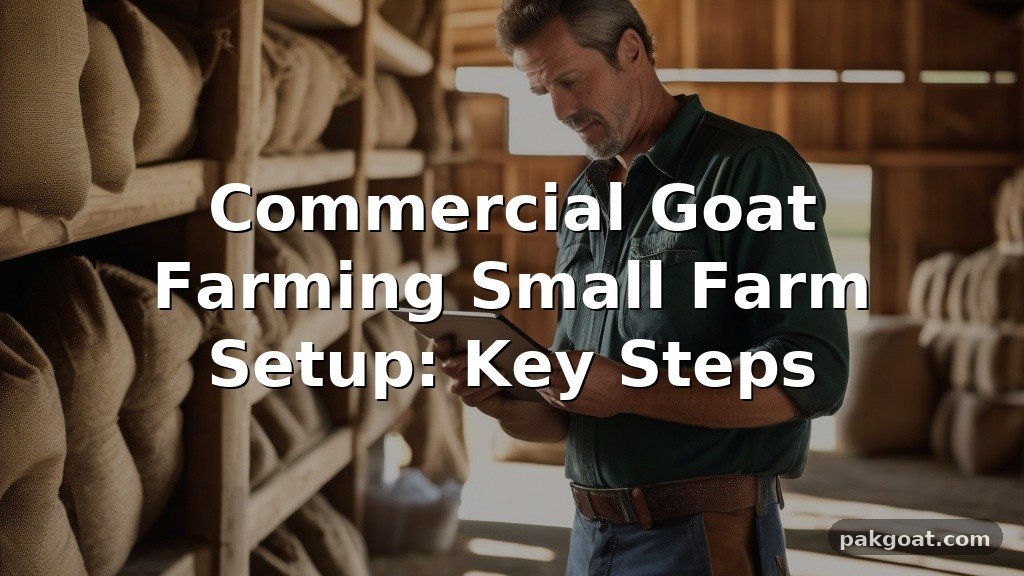
Starting a commercial goat farming small farm setup requires careful planning to balance limited acreage with high-density production. Many beginners enter the market with a few animals, but scaling to a sustainable income involves choosing the right breed for your specific climate and market demand. You can expect to house roughly 10 to 15 goats per acre in a well-managed rotational grazing system, though this figure fluctuates based on soil quality and supplemental feeding.
By focusing on either dairy goat production or meat-focused herds, you create a distinct business plan that dictates your infrastructure needs and daily operational workflow. This article provides the technical foundation for establishing a productive, small-scale goat farm.
Financial Requirements and Initial Setup
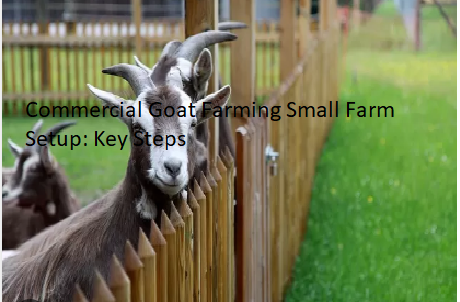
The primary cost for a commercial goat farming small farm setup involves infrastructure, which typically accounts for 40% to 60% of your starting capital. You must invest in predator-proof fencing, as this is the single most important asset for protecting your herd. Standard woven-wire fencing at least 48 inches high is recommended to keep goats contained and predators out.
Infrastructure Assets and Estimates
Building a functional barn or shelter requires less investment than most new farmers anticipate. Goats primarily need a dry, draft-free space to sleep and escape harsh weather conditions. A simple three-sided shed is often sufficient for most climates, provided it offers at least 15 square feet of space per goat.
| Asset Category | Estimated Investment |
|---|---|
| Fencing (per acre) | $1,500 – $3,000 |
| Basic Shelter | $2,000 – $5,000 |
| Initial Herd (5-10 head) | $1,500 – $4,000 |
| Medical/Supplies | $500 – $1,000 |
Choosing Your Niche and Breed
Your business model determines which breed will perform best on your small acreage. If your goal is to sell goat milk or artisanal cheese, you should look into high-yield dairy breeds. Conversely, if you are targeting the meat market, you will prioritize growth rates and carcass quality.
- Dairy Breeds: Alpine, Nubian, and LaMancha are known for high milk butterfat content.
- Meat Breeds: Boer goats are the industry standard for meat production due to their rapid weight gain.
- Dual-Purpose: Kiko goats are often selected for their hardiness and parasite resistance.
- Fiber Breeds: Angora goats require more specialized grooming and nutrition management.
Operational Management
A successful commercial goat farming small farm setup relies on strict health protocols and rotational grazing. You should divide your available land into at least four paddocks to manage parasite loads effectively. Moving your herd every 7 to 14 days prevents the buildup of internal parasites, which is the most common cause of loss for small herds.
Herd Health and Nutrition
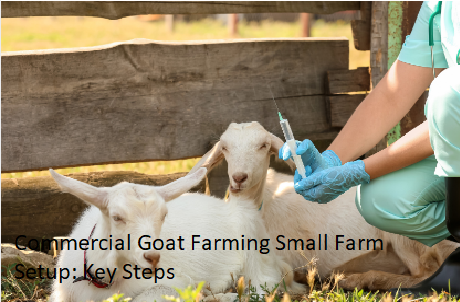
Goats are browsers, not grazers, meaning they prefer shrubs and weeds over short grass. You must supplement their diet with high-quality hay during the winter months or periods of drought to maintain body condition. Always keep loose minerals formulated specifically for goats available, as their copper requirements differ significantly from other livestock.
Frequently Asked Questions
Is a small goat farm profitable?
Profitability depends on your ability to add value to your products, such as processing milk into cheese or selling meat directly to consumers. Most small farms find that selling high-quality breeding stock or niche dairy products yields higher margins than selling raw commodities.
How much land do I need for 100 goats?
While you can keep 100 goats on as little as 7 to 10 acres with intensive rotational management, you will need to rely heavily on supplemental hay and grain. A more sustainable long-term model usually suggests at least 20 acres to reduce input costs and improve soil health.
How long does it take 10 goats to clear an acre?
Ten mature goats can clear an acre of heavy brush in approximately two to four weeks, depending on the density of the vegetation. They are extremely effective at clearing invasive species like multiflora rose or kudzu, which makes them a valuable tool for land management.
Do I need a business plan for a small farm?
Yes, a written plan is essential for securing loans or applying for agricultural grants. It forces you to calculate your break-even point and define your target market before you purchase your first animal.
Future Success and Scaling
Building a sustainable commercial goat farming small farm setup is a process of refinement rather than immediate perfection. Start with a manageable number of animals to master your husbandry skills before expanding your herd size. Consistent record-keeping regarding birth rates, milk production, and health treatments will help you identify your most productive lines over time.
By focusing on quality over quantity, you ensure that your small farm remains both profitable and manageable as you grow. If you are ready to begin, start by contacting local extension offices to understand the specific regulations and disease-testing requirements for your region. Success in this field rewards those who prioritize animal welfare and data-driven management decisions.
