

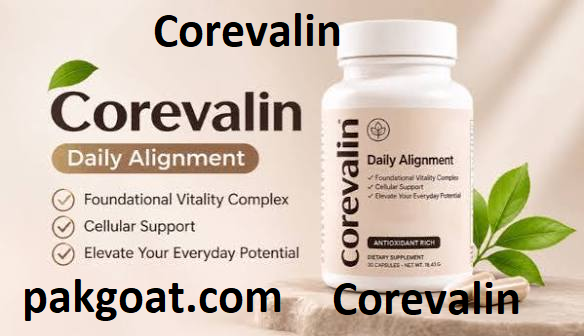
Supplement shoppers see new products every month, and many promise faster metabolism or steadier blood sugar. Corevalin has appeared in online listings with that kind of language, which leaves many buyers unsure what they are actually purchasing. This guide takes a careful look at Corevalin, the ingredients it is linked to, what research says about those ingredients, and the safety questions you should answer before spending money. It is written for adults over 40 who want clear facts rather than sales pitches.
What Is Corevalin?
Corevalin is a dietary supplement sold online as a capsule. Its marketing has not stayed consistent. Some pages present it as a foundational daily wellness formula meant to support immunity, energy and overall vitality. Other pages describe it as a weight loss or metabolic support product. Because the language changes from one seller to another, the first step for any buyer is to read the product label rather than relying on a sales page.
Dietary supplements in the United States do not need FDA approval before they reach the market. Manufacturers must make sure their products are safe, and they must avoid false or misleading claims. However, the FDA does not evaluate most supplements for effectiveness before sale. That means a product can be on store shelves or in online carts without proof that it does what its marketing says. Keep this in mind as you read the rest of this review.
Why Product Information Is Hard to Pin Down
Corevalin presents a common challenge for shoppers. Different listings name different ingredients, use different descriptions and make different promises. One page describes a formula built around a fat-burning blend. Another lists chromium alongside a group of botanical extracts. A UK-based listing emphasizes immune support and energy. Such inconsistency does not automatically mean a product is unsafe, but it does mean you should confirm exactly what is inside the bottle you receive.
Ask yourself a few direct questions. Does the seller show a full supplement facts panel with exact amounts per serving? Does the company name a manufacturer and a physical address? Does the label list every ingredient, including fillers? If the answers are unclear, that uncertainty is itself useful information. A transparent brand should make these details easy to find without digging.
Corevalin Ingredients and What Research Says About Them
Because formulas can vary, the most useful approach is to review the ingredient types that appear in Corevalin listings and explain what the research shows for each one. Results from a single ingredient do not prove that a finished product works, but they help you judge whether the claims are reasonable.
Berberine is a plant compound found in several herbs. It has the strongest research base among the ingredients linked to Corevalin for blood sugar. Several small studies show that berberine can modestly lower fasting glucose and improve markers of insulin sensitivity. However, the results come mostly from trials with small sample sizes, and the effects are generally smaller than those of prescription diabetes medications. Berberine also affects how the liver processes many drugs, so it can interact with medicines, including metformin.
Chromium is a trace mineral that some people use for blood sugar support. Evidence is mixed. Some trials report small improvements in glucose control, while many others find no meaningful benefit for people without a deficiency. Chromium picolinate, the form most often sold, is generally considered low risk at typical doses, but high doses have raised concerns in some reports.
Bitter orange, which contains synephrine, appears in many weight and energy products. Synephrine is a stimulant-like compound that can raise heart rate and blood pressure. For this reason, it deserves real caution, especially for people with heart disease, high blood pressure or those taking stimulant medications. Cayenne pepper contains capsaicin, which may slightly increase calorie burning and reduce appetite in some studies, though the effects are small and short-lived.
Cinnamon and ginger are common additions to metabolic formulas. Cinnamon has been studied for its possible modest effect on fasting blood glucose, with mixed results across trials. Ginger has shown promise for digestion and nausea, and a few studies suggest small benefits for blood sugar, but the evidence remains limited. Neither ingredient should be expected to deliver dramatic changes on its own.
Overall, the ingredient list suggests a formula built around general metabolic and wellness support rather than a single proven solution. Buyers should not expect the combination to produce results that individual ingredients have not reliably shown in research.
Does Corevalin Work? What the Evidence Shows
This is the most important question for any buyer, and the honest answer is that no reliable evidence was found showing that the Corevalin product itself improves blood sugar, boosts metabolism or helps with weight loss. Published clinical trials typically test the exact product, at the exact dose, in a defined group of people. Without that kind of study, claims about results remain unverified.
Ingredient research is not the same as product research. A compound may show benefits in a laboratory or in a small trial, yet the amount in a capsule may be much lower than the amount used in studies. Manufacturers do not always disclose enough detail to compare doses. As a result, even well-studied ingredients may not behave the same way inside a commercial product.
Customer testimonials deserve similar skepticism. Reviews published on the same websites that sell a product may be selected, edited or incentivized. Some reviews describe feeling more energetic or noticing changes on the scale, but those experiences can come from diet changes, exercise, expectations or simple natural variation. Treat personal stories as anecdotes rather than proof.
Possible Corevalin Side Effects and Safety Concerns
Every supplement carries some risk, and multi-ingredient formulas can be harder to evaluate than single products. Common side effects reported for supplements of this type include stomach upset, nausea, headaches, diarrhea and changes in appetite. These effects are often mild, but they still matter, especially if you already live with digestive problems.
The more serious concerns involve drug interactions and existing health conditions. Berberine may affect blood sugar in people already taking diabetes medication, potentially causing levels to drop too low. Bitter orange and cayenne can raise heart rate and blood pressure. People taking blood thinners, thyroid medication, antidepressants or heart medicines should talk with a doctor or pharmacist before starting any new supplement.
Pregnant and breastfeeding women should avoid this type of product unless a healthcare provider approves it. The same advice applies to people with liver or kidney disease, a history of heart problems or a scheduled surgery. If you experience chest pain, a racing heartbeat, fainting, yellowing skin or unusual fatigue after taking a supplement, stop use and seek medical care right away.
Corevalin Dosage and How to Use It
Dosage instructions on supplement labels are typically based on the manufacturer’s formula, not on clinical research for that exact product. For Corevalin, the directions vary across sellers, so the label on your bottle should be your primary guide. Take the product exactly as directed and never exceed the recommended number of capsules per day.
Taking a supplement with food may reduce stomach upset for many people. Consistency matters too, but more is not better. Taking extra doses in hopes of faster results can increase the risk of side effects, especially with stimulant-like ingredients. Keep a record of when you start the product, how much you take and any symptoms you notice. Bring that log to your next appointment so your provider can weigh the information.
Remember that supplements work best alongside the basics of metabolic health. Regular physical activity, adequate sleep, a diet rich in vegetables, lean protein and fiber, and routine checkups do far more for blood sugar and weight than any single capsule. A supplement can complement those habits, but it cannot replace them.
Corevalin Price, Customer Reviews and Where to Buy
Pricing for Corevalin differs by seller, and promotions can change quickly. Before buying, compare the cost per capsule rather than the bottle price, because package sizes vary. Be cautious of bundles that require a subscription or those that bury the cancellation terms in fine print. Check whether the seller offers a refund policy and read it closely, including any deadlines and return shipping rules.
Customer reviews can help you spot patterns, but they require careful reading. Look at reviews on several independent platforms rather than only on the seller’s website. Pay attention to complaints about billing, shipping delays, product quality and difficulty canceling. A large number of five-star reviews paired with very few detailed experiences should raise a flag.
Buy only from the official website or from established retailers that list the manufacturer clearly. Avoid sellers offering suspiciously deep discounts, unfamiliar third-party marketplaces and pages that copy health claims from other products. Counterfeit or poorly stored supplements can pose real risks, so the source matters as much as the formula.
Is Corevalin Worth Buying? How to Judge Any Supplement
Whether Corevalin is worth buying depends on your goals, your health status and your budget. If you are looking for a general daily supplement, the product may appeal to you if the label is transparent, the ingredients fit your needs and your doctor has approved it. If you are hoping for a proven solution to high blood sugar or obesity, this product does not offer the level of evidence that those conditions require.
A simple checklist can make your decision easier. Confirm that the manufacturer is named and reachable. Verify that the supplement facts panel lists exact amounts. Look for third-party testing from organizations such as USP or NSF, which check whether a product contains what its label claims. Compare the claims with the research summarized in trusted databases and medical resources. Finally, speak with a healthcare provider, especially if you take medication or manage a chronic condition.
Consider the alternatives as well. Prescription treatments, when needed, have stronger evidence and clearer dosing. Registered dietitians can build an eating plan tailored to your needs. Structured exercise programs and sleep improvements often produce measurable benefits with no added cost beyond time and effort.
Corevalin Frequently Asked Questions
Is Corevalin a proven weight loss product? No reliable clinical evidence was found showing that this specific product produces weight loss, so claims about results should be treated with caution.
Does Corevalin help lower blood sugar? Some of the ingredients linked to Corevalin, such as berberine and chromium, have limited research for blood sugar support, but no study was found testing the finished product itself.
Are there Corevalin side effects I should know about? Possible effects include stomach upset, headaches and changes in appetite. Stimulant-like ingredients can also raise heart rate and blood pressure, so people with heart conditions should be especially careful.
Can I take Corevalin with diabetes medication? Do not combine the product with diabetes medication without first speaking to a doctor, because some ingredients may lower blood sugar too much.
Is Corevalin safe during pregnancy or breastfeeding? Pregnant and breastfeeding women should avoid the product unless a healthcare provider specifically approves it.
How do I know the product contains what the label says? Look for third-party testing seals from USP or NSF, and check whether the company publishes a full supplement facts panel and a certificate of analysis.
Where should I buy Corevalin safely? Buy from the official website or a well-known retailer, and avoid unfamiliar sellers offering extreme discounts or unclear return policies.
Final Thoughts on Corevalin
Corevalin is marketed as a wellness supplement with ingredients that have some research interest, but the product itself lacks independent clinical evidence, and its marketing varies widely. Buyers should focus on transparency, safety and realistic expectations. Read the label carefully, check for interactions with any medicine you take, and talk with a healthcare professional before adding it to your routine. Sustainable blood sugar and metabolic health still come from consistent eating patterns, regular movement, quality sleep and medical guidance when needed.
