

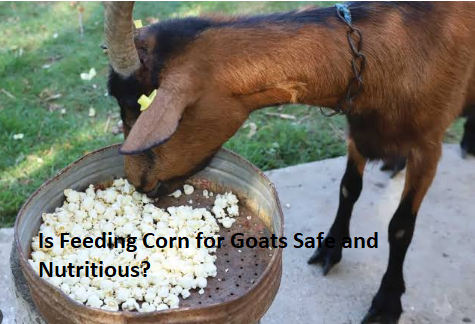
Feeding corn for goats is a subject that sparks frequent debate among small-scale farmers and livestock managers. While many producers use it as an affordable energy source during harsh winters, others worry about the potential for digestive upsets and metabolic health issues. Understanding the nutritional profile of this grain is essential for maintaining a healthy herd.
By evaluating its specific role in a ruminant’s diet, you can determine if this feed aligns with your management goals. This article provides the practical data required to make informed decisions about incorporating supplemental grains into your daily feeding routine.
Can Goats Safely Eat Corn?
The short answer is yes, goats can safely eat corn, but it should never serve as the primary component of their diet. Goats are ruminants designed to process high-fiber vegetation like browse, shrubs, and pasture grasses.
When you introduce high-starch grains like corn, you are fundamentally changing the microbial environment of their rumen. This shift requires careful management to prevent acidosis and other metabolic disorders.
Most experts recommend that corn should represent no more than 10% to 15% of the total dry matter intake. If you feed it in excess, the rapid fermentation of starch produces excessive lactic acid in the rumen.
This drop in pH can lead to bloat, diarrhea, or even fatal cases of grain overload. Always introduce any new grain slowly over the course of several weeks to allow the rumen flora to adapt.
Nutritional Breakdown of Corn
Corn is primarily an energy-dense feed, high in carbohydrates but relatively low in protein and minerals. It typically contains about 8% to 9% crude protein, which is significantly lower than what a lactating doe or a growing kid requires.
Because of this, corn is an inefficient choice if your goal is to promote muscle growth or heavy milk production on its own. It works best as a “top-dress” to provide extra calories when forage quality is poor.
The phosphorus-to-calcium ratio in corn is also a critical consideration for buck owners. Corn is naturally high in phosphorus and low in calcium, which can predispose male goats to urinary calculi.
This condition is a painful and life-threatening blockage caused by mineral stones in the urinary tract. To mitigate this risk, you must ensure that your mineral supplement provides adequate calcium to balance the diet.
Cracked Corn vs. Whole Kernel
When buying corn for goats, you will often choose between whole kernel, cracked, or rolled varieties. Many producers prefer cracked corn because it is easier for the animal to digest and less likely to pass through the digestive tract whole.
However, cracked corn has a shorter shelf life because the interior of the grain is exposed to air and moisture. This can lead to the growth of mold or mycotoxins if the feed is not stored in a cool, dry environment.
Whole kernel corn is more durable and resistant to spoilage, but some goats may waste it by spilling it while trying to chew the hard shells. If you have a younger herd or animals with dental issues, whole kernels might be too difficult to break down effectively. Rolling the corn provides a middle ground, flattening the grain to increase surface area for digestion without the rapid degradation associated with cracking.
Comparing Energy Sources for Goats
Determining whether corn is the best choice depends on what else is available in your local area. Many homesteaders compare the cost and nutritional value of corn against other common grains like oats or barley.
Oats are generally considered safer because they are higher in fiber and less likely to cause rapid rumen fermentation. Barley sits somewhere in the middle, offering a good balance of energy and protein.
The following table highlights how these common grains compare in terms of their general energy density and safety profiles for a standard goat diet.
| Grain Type | Energy Level | Digestibility | Risk of Acidosis |
|---|---|---|---|
| Corn | Very High | Moderate | High |
| Oats | Moderate | High | Low |
| Barley | High | Moderate | Moderate |
| Wheat | Very High | High | Very High |
Managing Risks of Grain Overload
Grain overload, or rumen acidosis, is the primary danger when feeding corn for goats. It happens when an animal consumes a large amount of starch suddenly, causing the bacteria in the rumen to produce acid faster than the goat can neutralize it.
Signs of this condition include lethargy, a hunched posture, grinding teeth, and watery diarrhea. In severe cases, the goat may stop eating entirely and require immediate veterinary intervention.
To prevent these issues, you must secure your grain storage areas. Goats are notorious escape artists; if they gain access to a feed bag, they will likely gorge themselves until they become ill.
Always keep your grain in metal or heavy-duty plastic containers with locking lids. If a goat accidentally consumes a large amount of corn, contact your veterinarian immediately, as they may suggest administering oral antacids or probiotics.
Seasonal Use of Corn
The most effective use of corn is as a targeted energy supplement during specific times of the year. During the winter months, your goats require extra calories to maintain their body temperature, especially if they are living in cold climates.
A small amount of corn can help them maintain body condition when grazing is limited and hay quality is just average. However, it should not replace high-quality forage, which is still the most important part of their diet.
Another common time to provide grain is during late pregnancy, often called the “flushing” period. Providing a controlled amount of energy can help does maintain their weight as the kids grow and demand more nutrition.
Once the does are lactating, however, their needs shift toward higher protein and mineral levels. At that stage, a balanced dairy ration is usually superior to feeding straight corn.
Best Practices for Feeding
If you decide to include corn in your management plan, follow these structured guidelines to ensure the health of your animals. Consistency is the most important factor in preventing digestive upsets.
- Limit intake to no more than 1/4 to 1/2 pound per adult goat per day.
- Always provide free-choice loose minerals specifically formulated for goats.
- Ensure constant access to clean, fresh water, which is vital for digestion.
- Introduce corn gradually over a 10-day period, starting with just a handful.
- Monitor body condition scores regularly to prevent obesity, which is a common side effect of over-supplementation.
- Use a high-quality forage base, such as alfalfa or grass hay, as the foundation of the diet.
For more detailed information on ruminant nutritional requirements, you can consult the Penn State Extension resources on goat nutrition. These guidelines help ensure that your feeding program supports long-term health rather than just short-term weight gain.
Common Mistakes to Avoid
Many beginners make the mistake of assuming that if a little corn is good, more must be better. This leads to fat, unhealthy goats that are prone to health complications and reproductive issues.
Obese bucks, in particular, may struggle to breed effectively and are at a much higher risk for urinary calculi. Never use corn to “fatten up” a goat for slaughter in a way that ignores their need for a balanced, fiber-rich diet.
Another error is failing to account for the mineral imbalances caused by high-grain diets. If you are feeding a significant amount of corn, you must ensure that your mineral mix is high in calcium and contains the correct trace elements like selenium and copper.
Ignoring these micro-nutrients can lead to stunted growth or poor coat quality. Finally, never feed moldy corn, as goats are highly sensitive to mycotoxins which can cause permanent liver damage or death.
Frequently Asked Questions
Is it better to feed corn or oats to goats?
Oats are generally considered a safer and more balanced option for goats because they have a higher fiber content. This makes them less likely to trigger rapid fermentation in the rumen compared to corn.
Can goats eat the entire corn plant, including the stalks?
Goats can graze on corn stalks and leaves, often called “corn fodder.” While the stalks provide good roughage, you should be cautious about the ears of corn if they have matured, as the grain inside can still lead to over-consumption.
How much corn should a pregnant doe eat?
A pregnant doe should receive only a small amount of energy supplement, typically no more than a few ounces per day in late gestation. It is far more important to focus on high-quality hay and proper mineral supplementation to support fetal development.
Can eating too much corn cause urinary calculi?
Yes, because corn is high in phosphorus and low in calcium, it can contribute to the formation of stones in the urinary tract. This is a severe health risk for male goats and should be managed with proper mineral balancing.
Is it safe to feed corn to kids?
Kids should focus on milk and high-quality hay or pasture. Introducing grain too early can disrupt their developing rumen and lead to long-term health issues; wait until they are at least several months old before introducing small amounts of grain.
Conclusion
Feeding corn for goats is an option that requires balance and careful observation. While it provides a quick, accessible source of calories, its high starch content creates risks that cannot be ignored.
By treating it as a supplement rather than a staple, you can avoid the metabolic pitfalls that often accompany grain-heavy feeding programs. Always prioritize high-quality forage and clean water above all other feed items.
Successful goat management is built on understanding the unique biology of the ruminant stomach. When you tailor your feeding strategy to support their natural digestion, you will see healthier animals and better long-term productivity.
If you choose to incorporate corn for goats into your routine, do so with a clear plan, consistent monitoring, and a commitment to their overall well-being. Feel free to adjust your approach based on the specific needs of your herd and the quality of your available pasture.
