

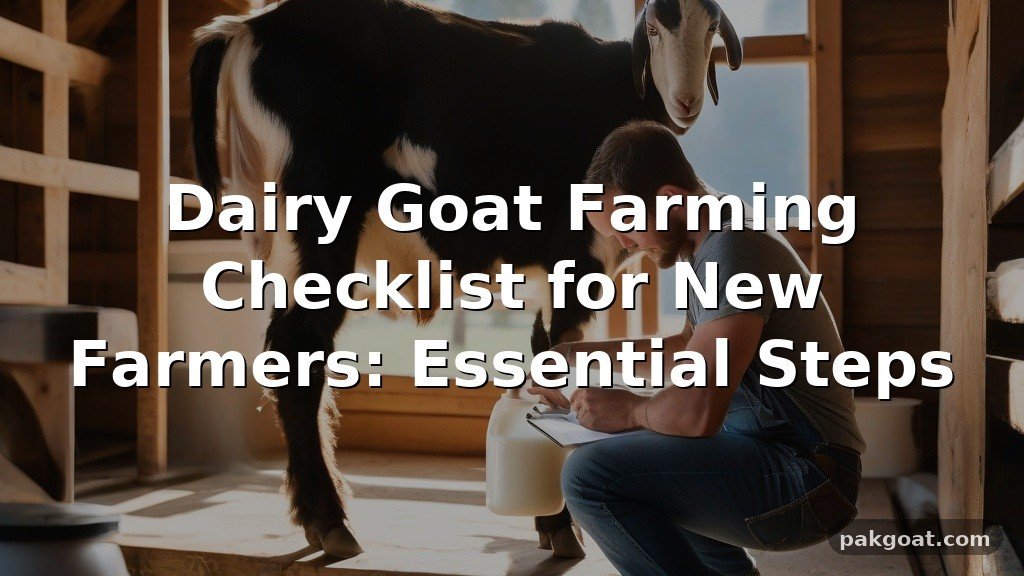
Starting a successful operation requires more than just passion; a practical dairy goat farming checklist for new farmers acts as your primary roadmap. You need to focus on infrastructure, animal health, and regulatory compliance before bringing your first herd home. This article provides the foundational steps to ensure your agricultural venture is both sustainable and productive.
By following these specific requirements, you will avoid common pitfalls that often hinder newcomers in the goat milk industry. Whether you are planning a small hobby farm or a commercial business, prioritizing these key elements will help you establish a healthy, profitable herd from the very beginning.
Core Requirements for New Goat Farmers
If you are wondering how many goats to start with, the industry consensus for beginners is at least two. Goats are herd animals and will suffer from severe stress and anxiety if kept in isolation.
A pair of does allows you to stagger breeding cycles, ensuring a more consistent supply of milk throughout the year. You should also account for approximately 15 to 20 square feet of indoor space per goat to prevent overcrowding and reduce the risk of respiratory diseases.
Infrastructure and Shelter
- Secure fencing at least 48 inches high to prevent jumping and predators.
- A draft-free, dry barn with good ventilation to prevent pneumonia.
- Clean, elevated milking stands that make the daily routine safer for both you and the animal.
- Dedicated storage areas for hay and grain that remain dry and rodent-free.
- A reliable water system that prevents freezing in winter.
Financial and Operational Planning
Before purchasing your livestock, you must develop a formal business plan that accounts for both startup and recurring costs. Dairy goat farming requires consistent cash flow for high-quality feed, veterinary supplies, and equipment maintenance. The following table outlines the typical cost categories you should prepare for during your first year of operation.
| Category | Estimated Priority | Financial Impact |
|---|---|---|
| Infrastructure/Fencing | Immediate | High |
| Livestock Purchase | Immediate | Moderate |
| Feed and Nutrition | Ongoing | High |
| Veterinary/Medical | Ongoing | Moderate |
| Milking Equipment | Seasonal/Daily | Moderate |
Herd Management and Health
Selecting the right breed is critical for long-term success. Saanen and Alpine goats are widely considered the best dairy breeds for high-volume milk production, while Nubians are prized for the high butterfat content in their milk. Always purchase animals from a reputable breeder who can provide health records and testing results for common diseases like CAE and CL.
Routine Health Practices
Establish a relationship with a large-animal veterinarian before an emergency occurs. You will need to keep a basic medical kit containing thermometers, electrolytes, and antiseptic sprays on hand at all times. Regular hoof trimming every 6 to 8 weeks is also a non-negotiable part of goat husbandry to prevent lameness.
Frequently Asked Questions
Is dairy goat farming profitable?
Profitability depends on your ability to manage feed costs and find a market for your goat milk or value-added products like cheese and soap. Many small farms find it difficult to scale, so focusing on high-quality, niche products often yields better margins than selling raw milk alone.
What is the best dairy goat for beginners?
Nubians are often recommended for beginners because they are generally docile and produce milk with a high fat content. However, your choice should also depend on your local climate and whether you prioritize volume or milk composition.
What should a first-time goat owner know?
Goats are notoriously picky eaters and require a diet of high-quality hay, forage, and clean water. They are also escape artists, so investing in high-quality fencing is often the most important decision you will make in your first month.
How do I find a local goat association?
Most regions have local chapters of the American Dairy Goat Association or similar national bodies. Joining these groups provides access to mentorship, local workshops, and reliable sources for purchasing healthy breeding stock.
Establishing Your Dairy Operation
Success in this field relies on your commitment to animal welfare and operational efficiency. By adhering to a structured dairy goat farming checklist for new farmers, you minimize risks and create a stable environment for your herd. Focus on building strong, secure infrastructure and selecting healthy foundation stock to ensure your farm remains viable.
Remember that consistent daily habits—such as proper milking hygiene and proactive health monitoring—are what separate thriving farms from those that struggle. Start with a manageable number of goats, learn their specific needs, and expand your operation only after you have mastered the basics of nutrition and herd management. If you take these steps seriously, you are well on your way to building a rewarding agricultural business.
