

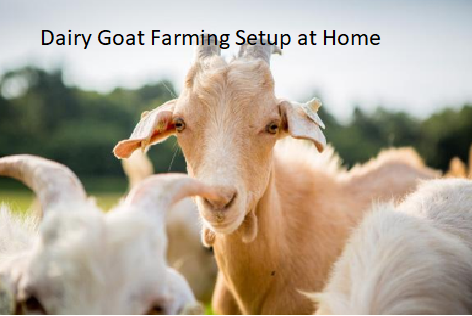
Planning a dairy goat farming setup at home requires careful attention to infrastructure, animal selection, and daily management routines. Whether you are aiming for self-sufficiency or a small-scale commercial operation, success hinges on meeting the specific biological and nutritional needs of your herd.
By focusing on proper shelter, high-quality forage, and consistent milking hygiene, you can turn a small plot of land into a productive source of fresh milk. This article provides the essential technical details to help you establish a sustainable and healthy environment for your dairy goats while maximizing your long-term output.
Initial Investment and Basic Financial Requirements
A functional dairy goat farming setup at home typically requires an initial investment of $1,500 to $3,500 for two starter does, basic fencing, and essential milking equipment. This figure assumes you are purchasing healthy, registered stock from a reputable breeder and constructing a modest shelter from lumber and hardware-store materials. You must also account for recurring monthly costs, which generally range between $50 and $100 per goat for high-quality alfalfa, grain supplements, and mineral blocks.
The following table breaks down estimated startup expenses for a small, two-goat operation during the first year of activity.
| Expense Category | Estimated Cost (USD) |
|---|---|
| Two Quality Dairy Does | $600 – $1,200 |
| Shelter Construction Materials | $500 – $1,000 |
| Fencing and Gates | $300 – $600 |
| Milking Stand and Buckets | $150 – $300 |
| Initial Feed and Mineral Stock | $200 – $400 |
Selecting the Right Dairy Goat Breed
Choosing the correct breed is the most influential decision you will make when starting your farm. The Nubian is widely considered the most popular choice for home setups because of its high butterfat content and friendly temperament. If you prioritize volume over fat content, Saanen goats are the gold standard, often producing between one and three gallons of milk per day during their peak lactation cycle.
Consider these common dairy breeds for your home setup:
- Nubian: Known for long ears and rich, creamy milk.
- Saanen: Large, white goats known for high-volume production.
- Alpine: Hardy and adaptable to various climates with good yield.
- LaMancha: Recognizable by their tiny ears; exceptionally calm and productive.
- Nigerian Dwarf: Small stature, perfect for limited space, with surprisingly high butterfat.
Always purchase from a breeder who participates in DHIR (Dairy Herd Improvement Registry) testing. This ensures you have verifiable records of the doe’s milk production and health status. Avoid buying from livestock auctions unless you are highly experienced in identifying hidden health issues.
Shelter and Housing Requirements
Goats are notoriously sensitive to moisture and drafts, making a dry, well-ventilated barn essential for your dairy goat farming setup at home. Aim for at least 15 square feet of indoor space per goat to prevent overcrowding and reduce the spread of respiratory illnesses. Use deep bedding, such as wood shavings or straw, to keep the floor clean and provide a warm surface for the animals during colder months.
Ventilation and Design
Proper airflow is more important than extreme warmth in a goat barn. Install vents near the roof line to allow ammonia and moisture to escape without creating direct drafts on the animals.
Ensure your structure is predator-proof by using heavy-gauge wire mesh on all windows and doors. Concrete floors are easier to sanitize than dirt, as they prevent the buildup of parasites and bacteria in the soil.
Fencing and Pasture Management
Fencing is the most significant maintenance task you will face, as goats are expert escape artists. Use 48-inch woven wire fencing, specifically designed for small ruminants, to keep your herd secure and predators out. Avoid using barbed wire, as it can snag their udders and cause serious injury during milking season.
Divide your available land into at least three separate paddocks to practice rotational grazing. This method helps break the parasite life cycle, as goats are highly susceptible to worms found in contaminated soil.
Move your herd to a fresh paddock every 14 to 21 days, depending on the forage growth rate. If you have limited acreage, you may need to supplement heavily with purchased hay to maintain the goats’ body condition.
Milking Equipment and Sanitation
Hygiene is non-negotiable when you are producing milk for human consumption. A sturdy, elevated milking stand is essential for your dairy goat farming setup at home; it keeps the goat stationary and puts the udder at a comfortable working height. Invest in stainless steel pails rather than plastic, as they are easier to sterilize and do not harbor microscopic bacteria.
Cleaning Protocols
After every milking session, wash all equipment with hot water and an approved dairy-grade detergent. Store your milking equipment in a clean, dry area where it is protected from dust and insects.
If you plan to scale up to three or more goats, consider investing in a small, portable vacuum milking machine. These units can significantly reduce the physical strain on your hands and minimize the risk of contamination during the milking process.
Nutritional Needs and Mineral Supplementation
Goats are browsers, not grazers, meaning they prefer to eat leaves, weeds, and shrubs over short grass. Provide free-choice access to high-quality hay, such as alfalfa or orchard grass, to ensure they maintain the energy levels required for milk production. Always keep a loose mineral supplement specifically formulated for goats available in a dedicated feeder.
Avoid standard cattle minerals, as they often contain levels of copper that are toxic to goats over time. Monitor your herd’s body condition score regularly; you should be able to feel the ribs without them being overly prominent.
If a doe is losing weight during peak lactation, increase her grain intake slightly to help her meet her metabolic demands. Consult the eXtension Foundation for regional resources regarding pasture management and forage quality in your specific climate.
Health Management and Disease Prevention
A proactive approach to health is far cheaper than reactive veterinary care. Establish a relationship with a local large-animal veterinarian before you bring your goats home. Keep a medical kit stocked with common supplies, including an oral drench for deworming, antiseptic spray for wounds, and a digital thermometer to monitor temperatures.
Vaccination Schedules
The most common health issue for home-based dairy goats is enterotoxemia, often referred to as overeating disease. Ensure your herd is vaccinated with the CD&T vaccine, which protects against Clostridium perfringens types C and D, as well as tetanus.
Administer boosters annually to maintain immunity. Regularly check for signs of hoof rot, especially in wet climates, and trim hooves every six to eight weeks to prevent lameness.
Common Challenges and Troubleshooting
Even the most prepared owner will face unexpected hurdles. The most frequent issue is milk quality degradation, usually caused by improper storage or poor milking technique.
Milk must be cooled to below 40 degrees Fahrenheit within 30 minutes of collection to maintain freshness and safety. If you notice a “goaty” flavor in the milk, it is almost always due to the presence of a buck (male) in the herd or lack of cleanliness during the milking process.
Another challenge is the seasonal nature of goat milk production. Most dairy goats are seasonal breeders, meaning they produce milk for about ten months out of the year and then go “dry” for two months.
Plan your breeding schedule carefully if you want a consistent, year-round supply of milk. Some farmers stagger the breeding of their does to ensure at least one animal is always in milk.
Frequently Asked Questions
Is dairy goat farming profitable at a small scale?
Profitability depends on your goals. While you are unlikely to replace a full-time income with two goats, you can significantly offset your grocery bill and potentially sell excess milk or cheese if your local regulations permit. Most home farmers view their dairy goat setup as a cost-saving lifestyle choice rather than a primary business venture.
What is the best dairy goat for beginners?
Nubians are widely recommended for beginners due to their high-fat milk and generally gentle dispositions. LaManchas are also excellent for novice owners because they are notoriously calm and hardy. Both breeds are easy to handle once you establish a routine.
How many acres do dairy goats need?
You can keep two to four goats on as little as one-quarter acre if you provide supplemental hay and practice intensive management. However, having at least one full acre allows for better rotation and reduces the need for expensive store-bought feed. You must always provide a dry, clean shelter regardless of the acreage size.
How much milk does a dairy goat make per day?
A healthy, high-producing dairy doe typically yields between one and three quarts of milk per day, though some high-producing breeds can peak at over a gallon. Yield depends heavily on the breed, the stage of lactation, and the quality of the diet provided.
Do I need a buck to get milk?
Yes, a doe must be bred and give birth to a kid to produce milk. You do not need to keep a buck on your property, as you can often pay a stud fee to use a neighbor’s buck or utilize artificial insemination. Keeping a buck at home requires separate housing and can be challenging due to their strong scent and aggressive behavior during rut.
Managing Your Home Dairy Herd
Establishing a successful dairy goat farming setup at home requires a balance of discipline, observation, and respect for the needs of your animals. By focusing on the fundamentals of nutrition, sanitation, and herd health, you create a system that consistently provides fresh dairy while remaining manageable for a single household. Start small with one or two well-bred does to learn the nuances of milking and daily care before considering any expansion.
As your confidence grows, so too will the efficiency and productivity of your home operation. Always prioritize the long-term well-being of your goats, as healthy animals are the only way to ensure a reliable and high-quality milk supply for your family.
