

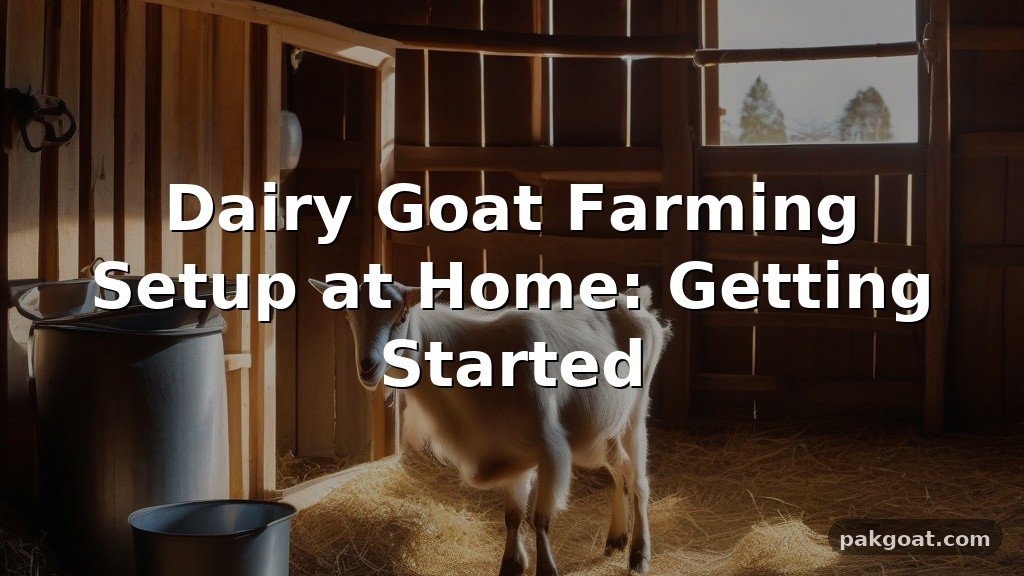
Starting a dairy goat farming setup at home is an achievable project for anyone with a small backyard and a passion for self-sufficiency. You will need roughly 100 to 200 square feet of indoor space per goat and access to a secure outdoor paddock to ensure the animals remain healthy and productive. Beyond the physical space, success depends on your ability to commit to a twice-daily milking schedule and a consistent nutritional plan.
By focusing on proper shelter, high-quality forage, and manageable herd sizes, you can produce fresh milk for your family while enjoying the companionship of these intelligent animals. This article covers the essential requirements to help you launch your small-scale operation effectively.
Essential Setup Requirements
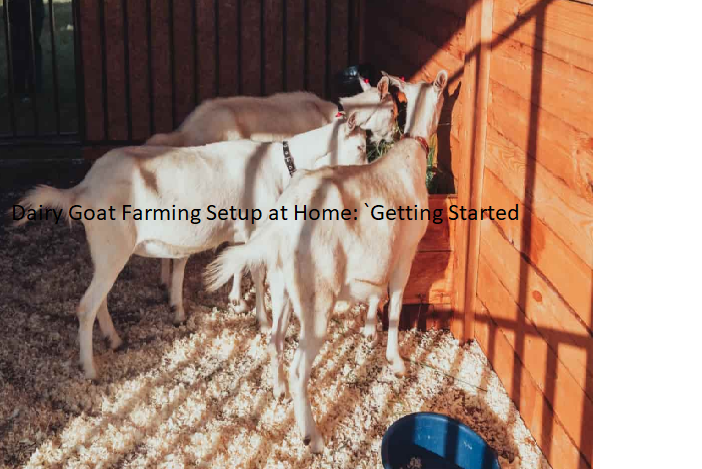
To successfully maintain a dairy goat farming setup at home, you must prioritize infrastructure that keeps your animals dry and safe from predators. A simple three-sided shed facing away from prevailing winds is often sufficient, provided it remains draft-free. You should also install sturdy fencing, as goats are notorious for testing boundaries; woven wire fencing at least 48 inches high is the industry standard.
Space and Shelter Needs
* Indoor space: Provide 12–15 square feet per goat inside the barn.
* Outdoor space: Allocate 200–300 square feet of pasture per goat to prevent overgrazing.
* Fencing: Use non-climbable wire or electric strands to keep goats contained and predators out.
* Feed storage: Keep hay in a dry, elevated area to prevent mold and waste.
Choosing the Right Breed
Not all goats are created equal when it comes to milk production, so choosing the right breed is vital. Beginners often find success with breeds known for their calm temperament and high butterfat content. The following table compares some of the most popular dairy breeds for backyard setups.
| Breed | Average Daily Yield | Butterfat Content |
|---|---|---|
| Nubian | 1.5 – 2.5 Gallons | High (4-5%) |
| Alpine | 2.0 – 3.0 Gallons | Moderate (3-3.5%) |
| Saanen | 2.5 – 4.0 Gallons | Lower (2.5-3%) |
Managing Daily Nutrition
Goats require high-quality hay, fresh water, and a specific mineral supplement to thrive. Because they are browsers rather than grazers, they prefer weeds, shrubs, and tree leaves over standard lawn grass.
It is essential to provide free-choice loose minerals formulated specifically for goats, as copper deficiencies can quickly lead to health issues. Ensure that clean water is available at all times, as a lactating doe will drink significantly more than a dry animal.
Health and Maintenance
Maintaining a healthy herd involves proactive care, particularly regarding hoof management and parasite control. You should trim hooves every 6 to 8 weeks to prevent lameness and infections.
Establish a relationship with a local large-animal veterinarian early on, as many standard pet clinics do not treat livestock. Keeping a simple medical kit stocked with basic supplies like antiseptic spray, thermometer, and electrolytes will help you handle minor emergencies at home.
Frequently Asked Questions
Is dairy goat farming profitable?
While you can save money on grocery bills by producing your own milk, turning a profit requires a significant herd size and a local market for raw milk or artisanal cheese. Most backyard farmers view the venture as a way to offset food costs rather than a primary income stream.
What is the best dairy goat for beginners?
Nubians are widely considered the best for beginners due to their friendly disposition and rich, high-fat milk. They are easier to handle than some of the more high-strung dairy breeds, making them ideal for a first-time owner.
How many acres do dairy goats need?
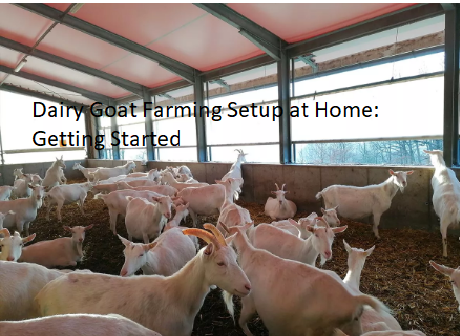
You do not need a massive farm; two or three goats can comfortably thrive on as little as a quarter-acre of land. The key is rotating your goats through different sections to manage parasite loads and pasture health.
How much milk does a dairy goat make per day?
A healthy, well-fed dairy goat typically produces between one and three gallons of milk per day. Production usually peaks about two months after kidding and gradually tapers off over the next ten months.
Key Takeaways for Success
Launching a dairy goat farming setup at home requires careful planning regarding space, nutrition, and daily commitment. You should start with two goats, as they are herd animals and will become stressed if kept in isolation. By investing in solid fencing, reliable shelter, and high-quality hay, you provide the foundation for a productive and rewarding experience.
Remember that consistent milking and routine health checks are the pillars of a successful backyard goat project. If you are ready to begin, start by visiting local breeders to observe their management practices and see which breeds suit your specific goals and environment.
