

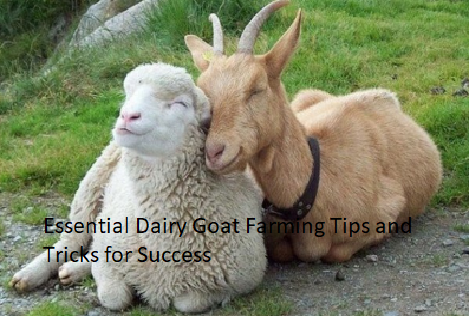
Mastering dairy goat farming tips and tricks allows small-scale producers to turn a modest plot of land into a highly productive operation. Managing a healthy herd requires balancing nutritional needs, meticulous record-keeping, and proactive veterinary care to ensure maximum milk yields.
Whether you are aiming for self-sufficiency or planning to enter the artisanal cheese market, understanding the specific requirements of dairy breeds is the foundation of your success. This article explores the practical management strategies that experienced producers use to maintain high-performing animals and consistent production levels throughout the lactation cycle.
Efficiency in dairy goat farming tips and tricks revolves around a few core metrics regarding profitability and space. Most small-scale operations find that one acre of well-managed pasture can support between six and eight mature dairy goats, provided you supplement their diet with high-quality hay and grain.
Profitability depends heavily on your local market for raw milk or processed dairy products, as the cost of feed often consumes 40% to 60% of your total operating budget. Beginners should prioritize breeds like the Saanen or Alpine, which are renowned for their docile temperaments and consistent output of 2,000 to 3,000 pounds of milk per 305-day lactation cycle.
Optimizing Herd Nutrition for Milk Quality
Feeding a dairy goat is fundamentally different from feeding a meat goat because you are asking the animal to produce high-protein, high-fat milk consistently. You must provide a balanced ration that includes high-quality forage, such as alfalfa or orchard grass, to maintain rumen health. Goats are browsers, not grazers, meaning they prefer to eat leaves, weeds, and shrubs rather than short pasture grass.
Supplementing with a formulated dairy pellet is standard practice during the peak lactation phase to meet the increased energy demands. You should always ensure that fresh, clean water is available 24 hours a day, as milk production is roughly 87% water. A drop in water intake will immediately manifest as a drop in the daily volume of milk produced by your does.
The Role of Minerals and Supplements
Goats are notoriously sensitive to mineral imbalances, which can cause long-term health issues or reproductive failure. Providing a free-choice loose mineral supplement specifically designed for goats is necessary, as block licks are often too hard for goats to consume in sufficient quantities. You should look for a mix that contains adequate levels of copper, selenium, and zinc, though you must be careful to avoid sheep-specific minerals that lack copper.
Baking soda is a common addition to the diet of a dairy goat, often served free-choice in a separate container. It acts as a buffer for the rumen, helping to prevent acidosis when the goats are fed high-grain rations. If you notice your goats are consuming large amounts of baking soda, it is usually a sign that their forage-to-concentrate ratio is off and needs adjustment.
Infrastructure and Housing Requirements
Your housing setup needs to focus on two things: keeping the goats dry and ensuring they have excellent ventilation. Goats are highly susceptible to respiratory illnesses if they are kept in damp, drafty, or poorly ventilated barns. A simple three-sided shed can work in mild climates, but a fully enclosed barn is safer if you live in a region with harsh winters or extreme humidity.
Bedding management is a critical aspect of daily maintenance that directly impacts milk hygiene. Using the deep-litter method, where you add fresh straw or wood shavings on top of soiled bedding, can help keep the barn warm during the winter. However, you must monitor this closely for ammonia buildup, as high levels of ammonia can irritate the goat’s sensitive respiratory tract.
Fencing and Safety
Dairy goats are master escape artists and will test every inch of your fencing. Woven wire fencing with a height of at least 48 inches is generally recommended to keep them contained and predators out. If you have particularly determined goats, adding a single strand of electric wire along the top of the fence can provide an effective deterrent against jumping.
You should also ensure that your milking parlor is separated from the main sleeping area to maintain cleanliness. A dedicated space with a raised milking stand makes the process much more comfortable for both the milker and the goat. The stand should be sturdy, non-slip, and easy to sanitize between sessions to prevent the spread of mastitis.
Health Monitoring and Veterinary Care
A proactive approach to health is more cost-effective than a reactive one in a dairy operation. You should establish a relationship with a local large-animal veterinarian who has experience with small ruminants. Keeping a detailed health record for every doe, including vaccination dates, deworming schedules, and individual milk weights, is essential for identifying potential issues early.
Internal parasites, particularly the barber pole worm, represent the greatest threat to a dairy goat’s productivity. Developing a FAMACHA scoring system, which involves checking the color of the mucous membranes in the eye, allows you to determine which goats actually need deworming. This prevents the development of drug-resistant parasite populations on your farm.
Common Health Challenges
Mastitis is a persistent concern for anyone milking goats, as it can ruin a season’s worth of production. Proper teat hygiene—using a pre-dip and post-dip solution—is the most effective way to prevent the transfer of bacteria into the udder. If you detect lumpy milk or a hot, swollen udder, you must isolate the goat immediately and contact your vet for treatment protocols.
Foot rot and hoof scald are also common, especially in wet environments. Regular hoof trimming, typically every six to eight weeks, is necessary to keep the animal comfortable and mobile. If you see signs of limping or foul-smelling discharge between the toes, treat the area with a copper sulfate solution and keep the goat on dry ground until it heals.
Managing the Breeding and Lactation Cycle
The profitability of your operation depends on managing the breeding season to ensure a steady supply of milk. Most dairy goats are seasonal breeders, meaning they enter heat cycles in the autumn when the days begin to shorten. You can use light manipulation to extend the breeding season, but many producers choose to work with the natural cycle to reduce costs.
Once a doe has kidded, her milk production will climb to a peak within the first two months. After this peak, the volume will slowly decline until the animal is dried off approximately two months before her next freshening. You should monitor body condition scores closely during this time, as a doe that is too thin will struggle to maintain milk quality.
Record Keeping Essentials
| Metric | Target Goal |
| :— | :— |
| Average Lactation Length | 305 Days |
| Milk Fat Content | 3.5% – 4.5% |
| Kids per Freshening | 1.5 – 2.0 |
| Age at First Breeding | 8 – 10 Months |
Maintaining these records helps you identify which does are the most efficient producers and which should be culled from the herd. You should also track the growth rates of your replacement doelings to ensure they reach the appropriate breeding weight. For more on animal husbandry standards, refer to the resources provided by the United States Department of Agriculture for best practices.
Milking Procedures and Hygiene
Sanitation is the most important factor in producing high-quality, long-lasting milk. Before you begin milking, ensure your hands are clean and the goat’s udder has been wiped down with a warm, sanitizing solution. Using a strip cup to check the first few squirts of milk for any abnormalities is a crucial step that helps you spot mastitis before it becomes severe.
Consistency in your milking routine is also vital for the goat’s comfort and production levels. Try to milk at the same time every morning and evening to keep the goat’s hormones balanced. If you are milking by hand, ensure your grip is firm but gentle, and always milk the goat completely dry to encourage further production.
Equipment Maintenance
If you use a mechanical milker, you must be rigorous about cleaning the hoses and the claw after every single use. Bacteria can easily hide in the small crevices of milking equipment, leading to high somatic cell counts in your milk. Replace worn-out rubber liners regularly, as they lose their elasticity and can cause damage to the teat tissue over time.
You should also store your milk in a refrigerator that is dedicated exclusively to dairy products. Milk should be chilled to below 40 degrees Fahrenheit as quickly as possible after milking to prevent bacterial growth. Using a stainless steel milk bucket is preferable to plastic, as it is easier to sanitize and does not harbor odors or bacteria over time.
Marketing Your Dairy Products
Selling raw milk is subject to strict state and local regulations, so you must research the laws in your specific jurisdiction before you begin. Many farmers find it more profitable to process their milk into value-added products like yogurt, kefir, or artisanal cheese. These products often have a longer shelf life and can be sold at higher price points at local farmers’ markets.
Building a brand identity around your farm’s specific practices can help you stand out from the competition. Highlight the fact that your goats are pasture-raised, hormone-free, or fed non-GMO grains if those apply to your operation. Word-of-mouth is a powerful tool, so provide samples and educational materials to potential customers to build trust in your product.
Diversifying Income Streams
* Selling surplus breeding stock or wethers for meat.
* Offering goat milk soap or lotion workshops.
* Providing farm tours or educational experiences for families.
* Partnering with local bakeries to supply milk for specialty breads.
By diversifying your income, you reduce the risk associated with relying solely on milk sales. Seasonal fluctuations in milk production mean that having other products available helps maintain cash flow throughout the year. Always ensure that any value-added products you sell are compliant with local cottage food laws or health department regulations.
Common Mistakes to Avoid
Many beginners fail because they underestimate the amount of time required for daily chores. Milking twice a day is a significant commitment that doesn’t allow for many vacations or time away from the farm. You must have a backup plan or a reliable person to help with milking if you need to travel.
Another common mistake is trying to grow the herd too quickly before you have the infrastructure to support them. Adding too many animals at once can lead to overcrowding, which increases the stress on the goats and the likelihood of disease outbreaks. Start with a small, manageable number of does and expand slowly as your skills and your market grow.
The Importance of Mentorship
Connecting with other local goat farmers can save you from making expensive, avoidable mistakes. Find a local 4-H club or a dairy goat association where you can ask questions and observe how others manage their operations. Most experienced farmers are happy to share their knowledge with newcomers who show a genuine interest in the welfare of the animals.
Do not be afraid to invest in high-quality foundation stock, as this is the most critical investment you will make. A goat with good genetics will produce more milk, be easier to handle, and have fewer health problems than a bargain-bin animal. Look for breeders who participate in DHIR milk testing, as these records provide objective proof of a goat’s productivity.
Frequently Asked Questions
Is dairy goat farming profitable?
Profitability is achievable but requires careful management of feed costs and high-quality milk production. Most successful farms focus on value-added products like cheese or soap to increase their profit margins beyond what raw milk sales provide.
What is the best dairy goat for beginners?
The Saanen and Alpine breeds are widely considered the best for beginners due to their high production levels and calm, manageable temperaments. Nubians are also popular for their high-butterfat milk, though they can be more vocal and demanding than other breeds.
Why give baking soda to goats?
Baking soda acts as a rumen buffer, helping to prevent digestive issues like acidosis, especially in herds that are fed significant amounts of grain. It should always be provided free-choice so the goats can self-regulate their intake based on their needs.
How many acres do dairy goats need?
While goats can be kept on very small plots with heavy supplementation, a general rule of thumb for sustainable pasture management is one acre for every six to eight goats. This assumes you are practicing rotational grazing to keep the pasture healthy and parasite loads low.
How often should I trim goat hooves?
Hooves should be checked every six to eight weeks, though the frequency depends on the terrain and the goat’s activity level. Regular trimming prevents discomfort and long-term joint issues, which are essential for maintaining a high-producing dairy animal.
Conclusion
Developing expertise in dairy goat farming tips and tricks is a journey that rewards patience, attention to detail, and a commitment to animal welfare. By focusing on high-quality nutrition, diligent health monitoring, and efficient infrastructure, you create a sustainable operation that can thrive for years. Remember that the success of your farm is built on the daily habits you establish, from the way you handle milking to how you manage your pasture rotations.
As you gain experience, continue to refine your processes and seek out new information to improve your yields and herd health. Whether you are producing milk for your own family or building a small business, the bond you develop with your goats is a rewarding aspect of the work. Start small, stay consistent, and feel free to reach out to local agricultural extension offices for further support as you grow your herd.
