

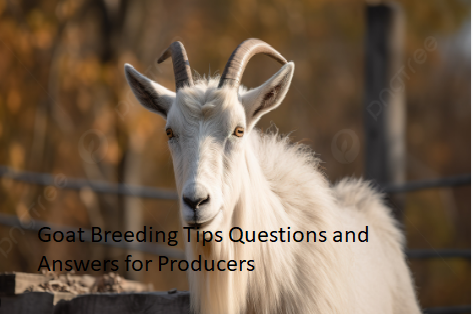
Successfully managing a herd requires understanding the nuances of goat breeding tips questions and answers to ensure the health and productivity of your animals. Whether you are focused on dairy production, meat yield, or hobby farming, the reproductive cycle is the engine that drives your operation.
By mastering the timing, nutritional requirements, and selection criteria, you can significantly improve your kidding rates and overall herd vitality. This information helps you avoid common pitfalls that lead to reproductive failure or health issues in your does and bucks.
The most common question regarding reproductive timing is when to breed. Goats are short-day breeders, meaning they typically begin cycling when the days grow shorter in the fall. In many temperate regions, the peak breeding season occurs between September and November.
Some breeds, like the Nubian or Kinder, may cycle year-round, but most seasonal breeders follow the light-cycle trigger. If you want to time kidding for early spring, you must ensure your bucks are introduced to the does in late summer or early autumn.
Understanding the Estrous Cycle
A doe’s estrous cycle lasts approximately 18 to 21 days. During this window, she will be in standing heat for about 24 to 36 hours. You can identify heat by observing behaviors like tail wagging, frequent bleating, and increased interest in the buck.
If you keep a buck on the property, he will often alert you to a doe in heat long before you notice physical signs. He may pace his pen, exhibit the flehmen response, or attempt to jump fences to reach her.
Managing Buck Fertility
The buck’s performance is just as critical as the doe’s readiness. A healthy, mature buck can service 20 to 50 does in a single breeding season if managed properly. You should never underestimate the importance of buck health, as a sluggish or infertile male will result in a high percentage of open, or non-pregnant, does.
Always conduct a breeding soundness exam before the season begins. This check should include a physical evaluation of his body condition, scrotal circumference, and general mobility.
Nutritional Support for Breeding
Flushing is a common practice used to increase the ovulation rate in does. This involves increasing the caloric intake of the doe about two to three weeks before the buck is introduced. You can achieve this by providing high-quality pasture or supplementing with a small amount of grain.
A rising plane of nutrition signals the doe’s body that resources are plentiful, which often leads to an increased chance of twinning. Ensure your minerals are balanced, particularly regarding selenium and copper, which are vital for reproductive health.
The Risks of Inbreeding
Many beginners ask if it is acceptable to breed a father to his daughter or a brother to a sister. While line breeding can fix desirable traits, it also risks exposing recessive genetic defects. Inbreeding depression can manifest as reduced fertility, smaller birth weights, and compromised immune systems.
It is generally recommended to avoid close matings unless you have a deep understanding of the genetic history of your specific bloodlines. Most producers find that bringing in an unrelated buck every two to three years keeps the herd vigorous and healthy.
Record Keeping and Tracking
Successful breeding programs rely on meticulous documentation. You should maintain a record of every breeding date to predict the expected kidding date with accuracy. The gestation period for a goat is roughly 150 days, though this can vary by a few days depending on the breed.
Tracking these dates helps you prepare your kidding pens and medical supplies well in advance. Without accurate records, you risk missing the window to provide necessary vaccinations or specialized feed for the late-gestation doe.
Common Breeding Challenges
Some does may struggle to conceive despite being in good health. This is often due to silent heats, where the doe exhibits very few signs of being receptive to the buck. If you suspect this, using a buck with a high libido or using a teaser buck can help stimulate the cycle.
Environmental stress, such as overcrowding or extreme weather, can also disrupt the hormonal balance required for successful conception. Always provide a quiet, low-stress environment during the peak of the breeding season.
Managing Herd Genetics
When selecting which animals to breed, focus on the traits that align with your specific goals. If you are breeding for dairy, prioritize milk volume and butterfat content. If your goal is meat production, focus on growth rates and carcass quality.
You can find detailed information on genetic standards through the American Dairy Goat Association to help guide your selection. Always cull animals that consistently produce weak offspring or have poor maternal instincts.
| Metric | Typical Range |
|---|---|
| Estrous Cycle Length | 18–21 Days |
| Gestation Period | 145–155 Days |
| Standing Heat Duration | 24–36 Hours |
| Buck-to-Doe Ratio (Pasture) | 1:25 to 1:50 |
Essential Equipment for Breeding
Having the right gear makes the process safer and more efficient. You should have a dedicated breeding pen that is sturdy enough to contain a buck but safe enough to prevent injury. Marking harnesses are an excellent tool for tracking which does have been serviced and when.
The harness holds a crayon that leaves a colored mark on the doe’s back when the buck mounts her. Change the color of the crayon every 17 days to identify repeat breeders.
- Marking harnesses for accurate date tracking.
- Isolation pens for health assessments and resting.
- High-quality mineral blocks specifically for ruminants.
- Portable ultrasound or pregnancy testing kits for early confirmation.
- A notebook or digital software for tracking lineage and performance.
Addressing Health and Vaccination
Vaccination schedules are vital for both the mother and the future kid. You should administer a CDT (Clostridium perfringens types C and D and Tetanus) booster to your does about four weeks before they are due to kid. This ensures that the colostrum they produce contains high levels of antibodies to protect the newborns.
Never skip this step, as it is one of the most effective ways to prevent sudden death in young kids. Consult with your local veterinarian to tailor a health program to your specific region’s disease risks.
Managing Pregnancy Issues
Late-gestation pregnancy toxemia is a serious concern for high-producing dairy breeds. This occurs when the doe cannot consume enough energy to meet the demands of her growing kids and her own body maintenance. You will notice the doe becoming lethargic, losing her appetite, and perhaps showing signs of neurological distress.
Providing high-quality alfalfa hay and monitoring body condition scores can prevent this dangerous condition. If you notice these symptoms, immediate intervention with glucose supplements or veterinary care is required.
The Role of the Teaser Buck
If you have a doe that just will not cycle, a teaser buck can be a game-changer. A teaser is typically a vasectomized buck that still has all his male instincts but cannot fertilize the doe. His presence, scent, and vocalizations can trigger an ovulatory response in stubborn does.
This is known as the “buck effect” and is widely used in commercial operations to synchronize the herd. This practice can shorten your kidding season significantly, making the management of newborns much easier.
FAQs: Goat Breeding Tips Questions and Answers
What is the best month to breed goats?
For most seasonal breeders, the best time to breed is during the autumn months, specifically between September and November. This natural timing ensures that the kids are born in the spring when the weather is milder and fresh forage is becoming available.
Why put baking soda in goat water?
Baking soda is not typically put in water, but it should be offered free-choice in a separate mineral feeder. It helps the goats maintain a healthy rumen pH, which is essential for digestion, especially when they are being fed grain to increase their body condition for breeding.
Can you breed father and daughter in goats?
While it is biologically possible, it is generally discouraged for long-term herd health. Close breeding risks concentrating negative genetic traits, such as poor conformation or hereditary health issues, which can be difficult to breed out of your stock later.
How many times does a male goat mate in a day?
A healthy, mature buck can successfully mate multiple times in a single day, often up to 10 or more times if there are many does in heat. However, it is important to monitor his condition to ensure he does not become exhausted or lose too much weight during the breeding season.
How do I know if my doe is pregnant?
Physical signs of pregnancy include the cessation of heat cycles and a gradual widening of the abdomen. For more definitive confirmation, you can use a portable ultrasound machine or send blood samples to a laboratory around 30 to 45 days after breeding.
Integrating these goat breeding tips questions and answers into your daily routine will transform your approach to herd management. By focusing on the biological realities of your animals, you reduce the risks associated with reproductive failure and set your farm up for consistent success. Remember that each season provides a new opportunity to refine your breeding strategy and improve the genetic quality of your stock.
Keep detailed records, maintain high nutritional standards, and always prioritize the health of your does. Consistent effort in these areas will yield a healthy, growing herd that meets your production goals year after year.
