

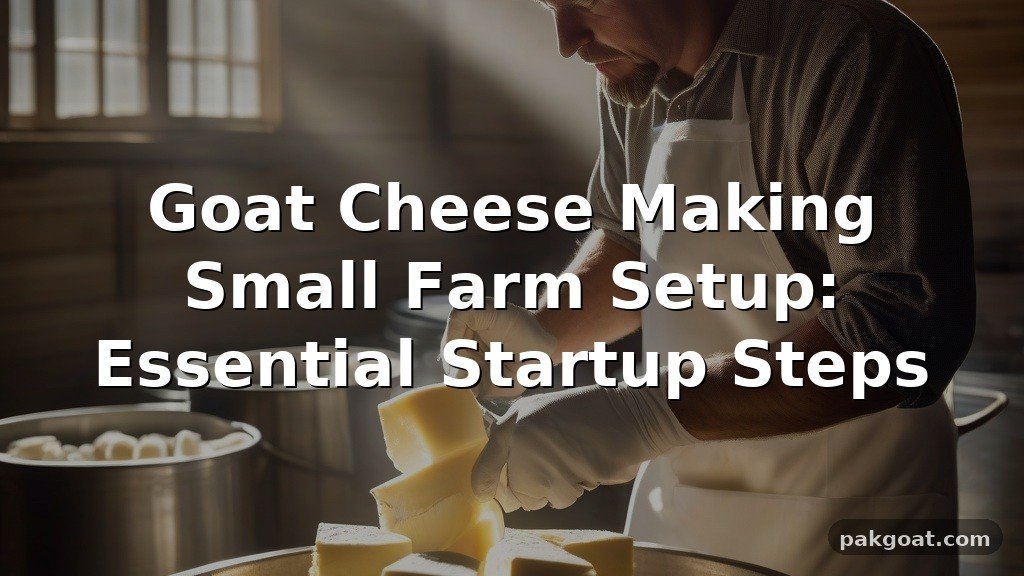
Starting a goat cheese making small farm setup requires a precise balance between animal husbandry and food safety compliance. For most hobbyists transitioning to a commercial scale, you should expect an initial investment ranging from $15,000 to $40,000 for basic infrastructure, including milking equipment, a pasteurizer, and a licensed creamery space. This figure covers the essentials needed to meet local health department standards for selling dairy products.
Without a dedicated, sanitary space, you cannot legally retail your cheese. Prioritizing your budget toward a stainless-steel processing room is the single most important step for long-term viability.
Infrastructure and Equipment Requirements
Your facility must be built with cleanability in mind to satisfy regulatory inspectors. Walls and floors should be non-porous and easily sanitized to prevent bacterial growth. You will need a separate area for milking that is distinct from the area where you process the milk into cheese.
Core Processing Assets
Essential gear for your operation goes beyond just the goats themselves. You need reliable cooling and temperature control to ensure product consistency.
- Stainless steel pasteurizer with temperature logging capabilities
- Commercial-grade refrigerator for aging and storage
- Food-grade cheese molds and draining mats
- Digital pH meters for monitoring curd development
- High-capacity milk filters and stainless steel pails
Regulatory Compliance and Licensing
Operating a dairy involves navigating strict health codes that vary significantly by state and region. You must contact your local agricultural extension office before purchasing equipment to understand specific rules for raw versus pasteurized milk products. Most jurisdictions require a physical inspection of your facility before issuing a permit to sell.
Operational Costs Comparison
The following table outlines the estimated distribution of startup costs for a modest, boutique-scale farm operation.
| Expense Category | Estimated Cost Range |
|---|---|
| Milking Equipment | $2,000 – $5,000 |
| Creamery Construction | $8,000 – $25,000 |
| Livestock Acquisition | $1,500 – $4,000 |
| Licensing & Inspections | $500 – $2,000 |
Herd Management and Milk Quality
The quality of your goat cheese begins with the health of your animals. High-quality milk requires a balanced diet and rigorous parasite control protocols. A small farm setup typically starts with 5 to 10 milking does to test the market before scaling up.
Seasonal Milking Cycles
Goats are seasonal breeders, which means your milk production will likely drop significantly during the winter months. Many farmers choose to breed their does in the fall so that kidding occurs in the spring. This ensures peak milk production aligns with the high-demand summer market.
Frequently Asked Questions
Is a small goat farm profitable?
Profitability depends heavily on your ability to sell direct-to-consumer at farmers’ markets or through subscription CSAs. Because artisanal cheese commands a premium price, you can often earn more per pound than commodity dairy producers.
How many goats are needed to make goat cheese?
You can begin cheese making with as few as two or three high-producing dairy goats. This allows you to practice your recipes and master the sanitation requirements without overwhelming your initial infrastructure.
What are the legal requirements for selling goat cheese?
You must obtain a dairy processor’s license and have your facility inspected by state health officials. Rules regarding raw milk cheese are particularly strict, often requiring a minimum 60-day aging process at specific temperatures.
Can I make butter as well as cheese?
Yes, goat butter is a viable secondary product, though it is more labor-intensive to produce than cheese. Since goat milk fat globules are smaller than those in cow milk, you will need a high-speed centrifuge or extended chilling time to separate the cream effectively.
Building Your Dairy Future
Establishing a successful goat cheese making small farm setup is a marathon, not a sprint. Success relies on your ability to maintain consistent hygiene standards while managing the biological realities of your herd. Start by focusing on a single, high-quality product, such as a fresh chèvre, before expanding your repertoire to aged or bloomy-rind varieties.
Once your processes are documented and your permits are in hand, focus on building local relationships with chefs and specialty retailers who value artisanal production. Reach out to your local university agricultural program for specific advice on regional dairy regulations. With careful planning and disciplined management, your farm can become a sustainable fixture in your local food community.
