

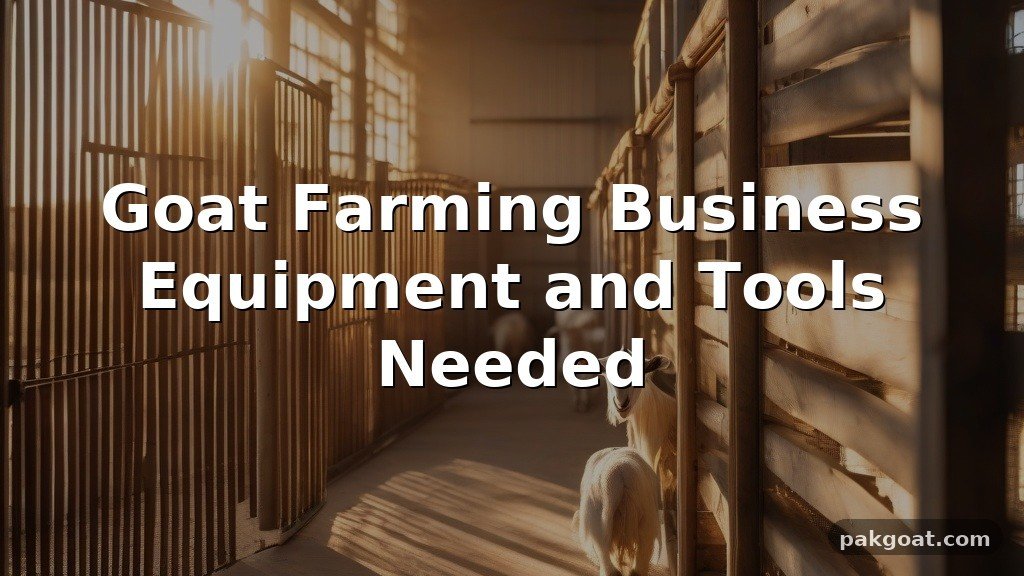
Understanding the specific goat farming business equipment and tools needed is the first step toward building a sustainable operation. Whether you are focusing on milk production, meat, or fiber, the right physical assets determine your daily efficiency and the overall health of your herd. You need to invest in infrastructure that protects your animals from predators and harsh weather while allowing for easy cleaning and medical care.
This overview covers the essential gear required to transition from a hobbyist setup to a professional, profit-driven enterprise. By prioritizing these investments early, you avoid common pitfalls and ensure your startup remains manageable and productive.
Core Infrastructure and Housing
The most critical investment involves secure housing and perimeter security. Goats are notorious escape artists and require a high-quality fence to stay contained and safe from predators. You should budget for woven wire fencing that is at least 48 inches high to prevent jumping.
Shelter Requirements
Your shelter must provide a dry, draft-free environment for the animals, especially during kidding season. A simple three-sided shed is often sufficient in mild climates, provided it faces away from prevailing winds. For larger operations, you will need a more complex structure with individual stalls for nursing mothers and their kids.
Bedding and Sanitation
Maintaining a clean environment prevents foot rot and respiratory issues in your herd. You will need a steady supply of straw or wood shavings for bedding. Many farmers choose to use plastic pallets as a flooring base to elevate bedding, which keeps it drier and easier to clean.
Essential Daily Tools
Beyond the structure, your day-to-day work requires a specific set of handheld tools. These items facilitate feeding, watering, and basic herd management.
- Water troughs: Heavy-duty, easy-to-clean basins that resist tipping.
- Feeding stations: Elevated hay racks to keep forage off the ground and reduce waste.
- Hoof trimmers: Specialized shears for essential monthly foot maintenance.
- Medical kit: Thermometers, antiseptic spray, and syringes for basic health needs.
- Grooming brushes: Stiff-bristled brushes to keep coats clean and monitor for parasites.
Investment Comparison Table
When planning your budget, it helps to categorize your expenses by their primary function. This table displays the relative capital intensity for common startup categories.
| Category | Investment Priority | Expected Lifespan |
|---|---|---|
| Fencing/Perimeter | High | 10-15 Years |
| Shelter/Barns | High | 20+ Years |
| Feeding Equipment | Medium | 5-8 Years |
| Health/Grooming Tools | Low | 2-4 Years |
Managing Herd Health
You need to maintain a strict health protocol to ensure your farm remains profitable. This includes keeping detailed medical records for each animal to track vaccination schedules and parasite treatments. Having a dedicated area for isolating sick goats is mandatory to prevent the spread of contagious diseases throughout your herd.
Professionalizing Your Operation
Once your physical infrastructure is sound, you should focus on the business side of your farm. Developing a farm logo can help you brand your products, such as artisanal soap or high-quality meat, at local markets. A professional website or a simple blog allows you to reach customers directly and share your farm’s story.
FAQ
How many acres do you need to raise 100 goats?
You generally need at least 5 to 10 acres of well-managed pasture to support 100 goats. This estimate depends heavily on your soil quality, the climate, and whether you practice rotational grazing.
What is the most profitable goat product?
Many small-scale farmers find that value-added products like goat milk soap, lotions, and artisanal cheeses offer higher profit margins than selling raw meat or milk.
Is a small goat farm profitable?
A small farm can be profitable, but it usually requires a direct-to-consumer sales model to bypass low wholesale commodity prices. Success depends on controlling overhead costs through efficient infrastructure.
What do goats need every day?
Goats require constant access to clean water, high-quality forage or hay, and a mineral supplement block. You must also check them daily for signs of illness or injury to catch problems early.
Concluding Thoughts
Establishing a successful farm requires a balance between sturdy physical infrastructure and consistent daily management. By focusing on the essential goat farming business equipment and tools needed, you create a foundation that supports long-term growth and animal welfare. Start by securing your perimeter and investing in reliable feeding and watering systems that reduce your labor time.
As your herd grows, you can gradually upgrade your equipment to scale your production. Whether you are selling dairy, fiber, or meat, staying disciplined with your investments will keep your operation lean and efficient. Take the time to research local regulations and connect with other producers in your area to refine your setup.
