

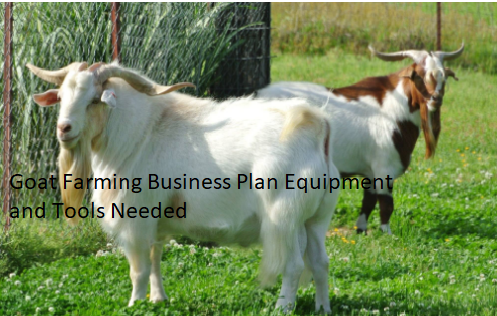
Developing a solid goat farming business plan equipment and tools needed involves balancing initial capital expenditure with long-term operational efficiency. Beginners often underestimate the physical infrastructure required to keep a herd healthy, secure, and productive throughout the seasons. This article provides a breakdown of the essential assets required to launch and maintain a professional goat operation, ensuring you understand the specific investments necessary for success.
By focusing on durable, functional gear rather than aesthetic upgrades, you can minimize overhead while maximizing the health of your livestock. Mastering these requirements is the first step toward building a sustainable agricultural enterprise that meets market demands.
Essential Infrastructure and Housing Requirements
For most small-scale operations, your primary investment will be the housing structure. Goats require a dry, draft-free shelter that provides protection from predators and extreme weather conditions.
A simple three-sided shed is often sufficient in mild climates, but colder regions demand fully enclosed structures with proper ventilation. You should allocate approximately 12 to 15 square feet of floor space per adult goat to prevent overcrowding.
Fencing is arguably the most critical piece of equipment you will purchase. Goats are notorious escape artists that test the integrity of every barrier they encounter.
Woven wire fencing, specifically designed for small ruminants, is the industry standard for perimeter security. Avoid using barbed wire, as it can easily injure the animals and snag their coats.
Feeding and Watering Systems
Efficient feeding systems are vital to reducing waste and preventing the spread of parasites. Hay feeders should be designed to keep forage off the ground, where it can become contaminated with manure or urine.
Wall-mounted feeders are an excellent way to save space while ensuring the goats have constant access to clean hay. You will also need mineral feeders, as goats require specific supplementation to maintain their health.
Watering equipment must be robust enough to handle the daily intake of a thirsty herd. An adult goat can consume between 2 and 4 gallons of water per day, depending on the season and lactation status.
Automatic waterers are highly recommended because they reduce labor and ensure a constant supply of fresh, clean water. If you live in an area with freezing temperatures, you must invest in heated water troughs or tank heaters to prevent ice buildup.
Health Management and Grooming Tools
Maintaining a healthy herd requires a dedicated kit of medical and grooming instruments. You should keep a hoof trimmer on hand at all times, as overgrown hooves can lead to severe lameness and structural issues.
Regular hoof maintenance, typically performed every 6 to 8 weeks, is mandatory for commercial herds. A sturdy hoof knife and a pair of professional-grade shears are essential components of your toolkit.
A comprehensive medical supply box should be stored in a cool, dry area of the barn. This kit must include basic veterinary items like antiseptic sprays, thermometers, syringes, and bandages for minor injuries.
You should also maintain a supply of deworming medication, though you should consult with a local veterinarian to establish an effective parasite control schedule. Tracking these treatments is a requirement for any serious producer.
Data Tracking and Herd Management
Successful goat farming relies on detailed record-keeping. You need to track breeding dates, vaccination history, and individual animal performance to ensure your business remains profitable.
Many farmers use simple ear tags for identification, which are inexpensive and easy to install with a standard tagging tool. For larger operations, digital software may be necessary to manage complex pedigree and production data.
A reliable scale is another piece of equipment that pays for itself over time. Monitoring the growth rate of kids and the weight of adults helps you determine if your feeding program is meeting nutritional targets.
You can purchase portable livestock scales that are easy to move between paddocks. These tools allow you to make evidence-based decisions about which animals to keep and which to cull.
Transportation and Handling Equipment
Moving goats from the pasture to the barn or loading them for transport requires specialized handling equipment. A small, portable chute or a set of temporary panels can make the vaccination or sorting process significantly safer for both the handler and the animal.
These panels should be lightweight yet durable enough to withstand the pressure of a pushing herd. You can find detailed standards for animal welfare and handling through the United States Department of Agriculture for guidance on best practices.
If you plan to transport your own goats, you will need a trailer with high sides and a non-slip floor. The trailer must be well-ventilated to prevent heat stress during transit.
Ensure the interior is free of sharp edges or protruding bolts that could damage the animal’s hide. Investing in high-quality trailer maintenance is a key part of your long-term operational strategy.
Comparison of Essential Startup Equipment
The following table outlines the estimated investment categories for a starting herd of 20 goats. Costs will vary based on your location and whether you choose new or refurbished equipment.
| Equipment Category | Estimated Investment Range | Primary Purpose |
|---|---|---|
| Fencing (Per Acre) | $1,500 – $3,000 | Predator control and containment |
| Housing Structure | $2,000 – $5,000 | Weather protection and shelter |
| Feeders & Waterers | $500 – $1,200 | Nutrient delivery and hydration |
| Medical & Grooming | $200 – $600 | Routine health and maintenance |
| Scales & Handling | $400 – $1,000 | Weight monitoring and safety |
Operational Efficiencies and Tools
Beyond the basics, certain tools can significantly reduce your daily workload. A high-quality wheelbarrow or a small utility tractor is essential for moving manure and feed across the property.
If you produce your own hay, you may eventually require baling equipment or a dedicated storage shed. Keeping your storage areas organized prevents feed spoilage and reduces the presence of rodents.
You should also consider investing in specialized lighting for your barn. Proper illumination makes it much easier to perform nighttime checks, especially during kidding season when you may need to assist a doe.
LED lights are energy-efficient and provide consistent brightness in damp conditions. Consider installing motion-activated lights outside the barn as an additional layer of security against predators.
Frequently Asked Questions
How many goats should a beginner start with?
A beginner should start with a small herd of 3 to 5 goats. This number allows you to learn the nuances of animal behavior and health management without becoming overwhelmed by the labor requirements of a large commercial operation.
What is the most profitable goat product?
Profitability depends on your local market, but goat meat (chevon) and dairy products like cheese often provide the most consistent income. Some producers also specialize in breeding high-quality show goats or selling fiber, though these markets require more niche expertise.
How many acres do you need to raise 100 goats?
The amount of land required depends on your forage quality and whether you use rotational grazing. Generally, you need at least 10 to 20 acres for a herd of 100 goats if you manage the pastures intensively to prevent overgrazing and soil degradation.
Do I need a veterinarian on call?
Yes, establishing a relationship with a large-animal veterinarian is crucial for any goat farm. You should have a vet who is familiar with small ruminants to handle emergencies and provide guidance on vaccination protocols specific to your region.
What is the most important piece of equipment?
Fencing is universally cited as the most important investment. If you cannot keep your herd contained and protected from predators, your other investments in feed and health management will not yield a return.
Conclusion
Establishing a successful goat farming business plan equipment and tools needed requires a commitment to both quality infrastructure and ongoing maintenance. By investing in durable fencing, functional housing, and essential health tools, you build a foundation that supports the long-term viability of your herd. Start with the basics, focus on the health of your animals, and scale your operations only once you have mastered the daily management routines.
Remember that the most effective farmers are those who track their data and adapt their tools to the specific needs of their environment. As you refine your approach, you will find that the right equipment not only simplifies your work but also enhances the overall productivity and profitability of your agricultural enterprise.
