

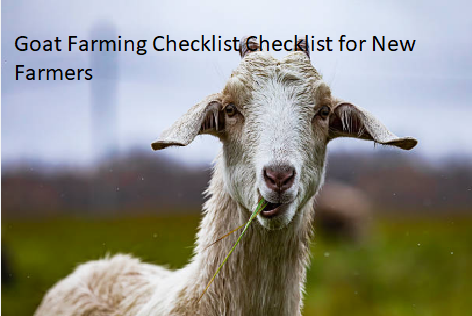
Setting up a sustainable operation requires following a thorough goat farming checklist checklist for new farmers to ensure animal welfare and profitability. Beginners often underestimate the infrastructure and daily commitment required to keep a small herd healthy and productive throughout the year.
The most critical items for a new producer include secure perimeter fencing, a dry shelter with adequate ventilation, a consistent water source, and a reliable veterinary contact. You should budget at least $500 to $1,000 per animal for initial setup costs, including purchase, basic equipment, and emergency medical supplies. A standard stocking rate for healthy pasture is approximately 4 to 6 goats per acre, depending on the forage quality and your specific management intensity.
Essential Infrastructure and Housing Requirements
Goats are notoriously clever escape artists that require high-quality, physical barriers to stay contained. You must invest in woven wire fencing at least 48 inches tall to prevent predators and roaming. Avoid barbed wire, as it often causes injury to the animals’ hides and udders.
Your shelter doesn’t need to be an expensive barn, but it must be completely draft-free and dry. Goats hate getting wet and will suffer from respiratory issues if forced to sleep in damp conditions. Provide at least 15 square feet of indoor space per animal, plus additional room for kidding pens or storage.
Nutritional Needs and Pasture Management
Forage is the backbone of your operation, but it is rarely enough to sustain high-producing dairy or meat goats. You must provide free-choice loose minerals specifically formulated for goats, as copper deficiency is a common issue in many regions. Never use sheep minerals, as the copper content is toxic to them.
Rotational grazing is the gold standard for parasite control and pasture longevity. By moving your herd every few days, you break the life cycle of intestinal worms that thrive in permanent pastures. Keep a supply of high-quality hay on hand for winter months or periods of drought when grass growth slows down.
- Perimeter fencing (woven wire)
- Dry, draft-free shelter
- Loose mineral feeder
- Water trough with heater
- Hoof trimming shears
- Basic medical kit (thermometer, antiseptic, electrolytes)
Health Monitoring and Veterinary Care
A proactive approach to health is far cheaper than treating an emergency situation after it develops. You need a relationship with a large-animal veterinarian who has experience with small ruminants before you bring your first goat home. Establish a regular vaccination schedule for common diseases like Enterotoxemia and Tetanus.
Learn to perform a FAMACHA eye score check to monitor for anemia caused by barber pole worms. This simple test involves pulling down the lower eyelid to check the color of the mucous membranes against a standardized chart. If you notice pale membranes, you must take action immediately to prevent significant production losses or mortality.
Budgeting and Financial Planning
Understanding your costs early prevents the common trap of underfunding your operation during the first year. Recurring expenses such as feed, bedding, and vet visits often exceed the revenue generated from milk or meat sales initially. Tracking every penny spent on supplies is essential for evaluating your long-term viability.
| Expense Category | Estimated Monthly Cost (per 5 goats) |
|---|---|
| Supplemental Grain/Feed | $120 – $180 |
| High-Quality Hay | $150 – $250 |
| Minerals and Supplements | $20 – $40 |
| Bedding (Straw/Wood Shavings) | $50 – $80 |
| Routine Veterinary/Medication | $30 – $60 |
Selecting Your First Breed
Choosing the right breed depends entirely on your end goal, whether that is meat production, milk, or fiber. For beginners, the Kiko breed is often recommended for meat because of their hardiness and parasite resistance. If you prefer dairy, Nubian or Alpine goats are popular choices due to their milk volume and temperament.
Avoid buying from large auctions when you are just starting out. You are far more likely to purchase a sick animal or one with hidden behavioral issues at a public sale. Instead, visit local breeders, observe their herd management, and ask for health records before committing to a purchase.
Daily Maintenance and Time Management
Raising goats requires a daily commitment that does not allow for long vacations without a reliable farm sitter. You must check on the animals at least twice a day to ensure they have access to clean water and are acting normally. Any lethargic behavior or refusal to eat should be addressed within hours, not days.
Hoof trimming is a chore you will need to master, usually every 6 to 8 weeks depending on the terrain. Overgrown hooves lead to lameness and can cause permanent joint damage if ignored. Keeping a sharp pair of trimmers and a clean workspace makes this task much faster and less stressful for both you and the animal.
Legal and Zoning Considerations
Before you build a single fence, check your local municipal zoning laws regarding livestock. Some suburban or rural areas have strict limits on the number of animals per acre or the distance structures must be from property lines. Failing to comply can result in fines or being forced to relocate your entire herd.
You should also look into your state’s Department of Agriculture requirements for livestock identification. Many regions mandate ear tags or microchips for tracking purposes, especially if you plan to sell animals across state lines. Researching these regulations is an essential part of the goat farming checklist checklist for new farmers.
Resource Management and Sustainability
For those looking to expand their knowledge, the USDA Agricultural Research Service provides extensive data on small ruminant nutrition and management practices. Utilizing institutional resources helps you move beyond anecdotal advice and toward evidence-based farming. Always verify local extension office recommendations as they are tailored to your specific climate.
Building a sustainable farm means managing your manure properly to avoid water contamination. Composting goat manure is an excellent way to create high-quality fertilizer for your own gardens or pastures. It also reduces the odor and fly population around your housing area, which is important if you have neighbors nearby.
Frequently Asked Questions
What is the best goat for a first time owner?
The best breed for a beginner is one that matches your goals, but many people start with Kiko goats for meat or Nigerians for dairy. These breeds are generally hardy, manageable in size, and have well-documented health traits that make them easier to care for than more delicate show breeds.
How many goats can I keep on 1 acre?
You can comfortably keep 4 to 6 adult goats on one acre of high-quality, managed pasture. If your land is poor or you do not practice rotational grazing, you will need to reduce this number significantly to avoid overgrazing and parasite buildup.
What is the most important equipment to buy first?
High-quality, escape-proof fencing is the absolute priority for any new goat farmer. Without secure boundaries, you will spend more time chasing animals than actually farming, and you will leave your herd vulnerable to predators like coyotes or stray dogs.
Do I need a barn for my goats?
You do not need a climate-controlled barn, but you do need a three-sided shelter that is completely protected from rain and wind. Goats are susceptible to pneumonia, so keeping their sleeping area dry and well-ventilated is more important than having an elaborate structure.
How often should I trim goat hooves?
Most goats require a hoof trim every 6 to 8 weeks, though this varies based on the hardness of the ground they walk on. Rocky terrain helps wear down hooves naturally, while soft, muddy ground will cause them to grow faster and require more frequent maintenance.
Success in this venture relies on your ability to plan for the daily realities of animal care and facility maintenance. By adhering to the items in this goat farming checklist checklist for new farmers, you minimize your risk and create a stable environment for your herd. Start small with a few healthy animals, master your pasture rotation, and keep your records organized from day one.
As you gain experience, you will naturally refine your systems to suit your specific land and production goals. Stay observant of your animals’ health, maintain your infrastructure regularly, and engage with your local agricultural extension office for region-specific guidance. With patience and persistence, you can build a productive and rewarding goat farming operation that lasts for many years.
