

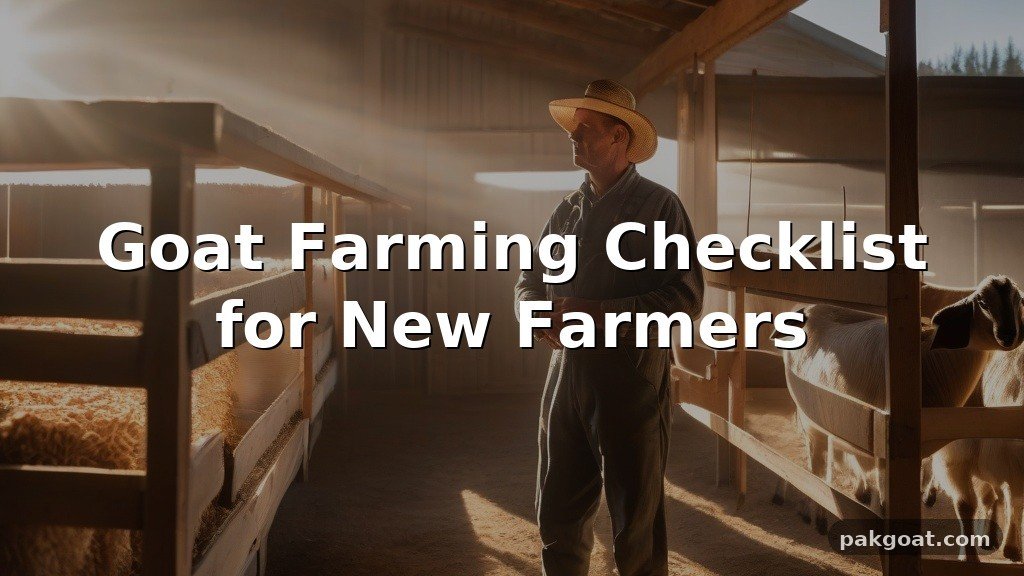
Starting a successful operation requires more than just land and animals. If you are looking for a practical goat farming checklist checklist for new farmers, you need to prioritize infrastructure, herd health, and nutritional management before bringing your first kids home. Proper preparation prevents common pitfalls like parasite outbreaks or fencing failures, which often derail beginners.
This article breaks down the essential assets and logistical milestones you must address to ensure your livestock thrives. By following these evidence-based steps, you will establish a sustainable foundation for your agricultural business while minimizing unnecessary financial risk during your first year of production.
Essential Infrastructure and Equipment
Your primary focus must be on creating a secure environment for your herd. Goats are notorious escape artists, so investing in high-quality fencing is the most critical item on your goat farming checklist checklist for new farmers. You should aim for woven wire fencing that is at least 48 inches high to prevent jumping and predator intrusion.
Housing and Shelter
- Three-sided sheds protected from prevailing winds.
- Raised platforms or sleeping benches to keep goats off cold ground.
- Adequate ventilation to prevent respiratory issues.
- Dry, clean bedding such as wood shavings or straw.
Water and Feeding Systems
Clean water is non-negotiable for dairy and meat production. You need a trough system that remains free of debris, as goats will refuse to drink contaminated water. Elevated hay feeders are also vital to reduce waste and prevent the spread of parasites that live in fecal matter.
Herd Selection and Management
Choosing the right breed depends entirely on your specific goals, whether you are interested in milk, meat, or fiber production. Beginners often find success with hardy breeds like Kiko or Nubian goats, depending on their local climate. Consult your local university extension service to determine which breeds are best suited for your specific geographic region.
Every new farmer should understand the basic space requirements for a healthy, productive herd. The following table outlines standard stocking densities for small-scale operations.
| Goat Type | Space Required (Indoor) | Space Required (Outdoor) |
|---|---|---|
| Mature Doe | 15-20 sq. ft. | 200-300 sq. ft. |
| Weaned Kid | 10-12 sq. ft. | 100-150 sq. ft. |
| Buck | 20-25 sq. ft. | 300-400 sq. ft. |
Health and Veterinary Requirements
A proactive health program is the backbone of your business. You must establish a relationship with a large-animal veterinarian before an emergency occurs. Many local university programs offer workshops on basic health monitoring, including how to check FAMACHA scores to detect anemia caused by internal parasites.
Always maintain a dedicated medical kit for your animals. This kit should include a thermometer, antiseptic spray, a hoof trimmer, and basic deworming supplies as recommended by a professional. Keeping detailed records for each animal, such as birth dates, vaccination history, and weight gain, is essential for long-term profitability.
Frequently Asked Questions
What should a first-time goat owner know first?
You must realize that goats are herd animals and should never be kept alone. They require a companion to remain calm and healthy, so always plan to start with at least two animals.
What is the best goat for a first-time owner?
Many experts recommend starting with Kiko goats for meat or Nigerian Dwarfs for milk, as both breeds are generally known for their hardiness and manageable size. Researching your local market demand is equally important before choosing a breed.
How many goats can I keep on one acre?
While stocking rates vary based on forage quality, a general rule of thumb is to keep between 4 to 6 adult goats per acre. Overstocking leads to rapid pasture degradation and higher parasite loads.
What is the most important resource for beginners?
Your local agricultural extension service is your best resource for region-specific advice. They provide access to research-backed programs and experts who understand the specific soil and climate conditions of your area.
Establishing Your Future
Success in this field relies on consistent routine and education. By checking off the items in this goat farming checklist checklist for new farmers, you build a resilient operation capable of weathering the challenges of livestock management. Focus on securing your perimeter, ensuring high-quality nutrition, and maintaining a strict health calendar to keep your animals productive.
As you grow, continue to seek out educational resources from local agricultural authorities and peer networks. Building a sustainable farm is a long-term commitment that rewards careful planning and ongoing observation of your herd. Start small, stay observant, and reach out to your local farming community to share knowledge as you develop your skills further.
