

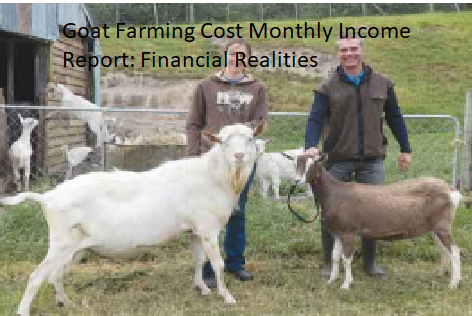
Analyzing a goat farming cost monthly income report requires looking past the excitement of livestock management to the cold, hard figures of operational overhead. Successful producers track their expenses against market fluctuations to ensure that every dollar spent on feed or veterinary care yields a tangible return. Understanding these margins is the primary difference between a hobbyist maintaining a small herd and a commercial farmer sustaining a profitable agricultural enterprise.
For a mid-sized operation of 50 breeding does, a typical goat farming cost monthly income report often reveals a net profit margin between 15% and 25% after all variable costs are covered. While initial setup costs can range from $5,000 to $15,000 depending on fencing and infrastructure, the ongoing monthly operational expenditure per animal usually hovers between $12 and $20.
When you sell market kids or milk products, you are looking at a gross revenue that must account for seasonal spikes in feed prices and variable veterinary needs. This financial structure demands strict record-keeping to ensure that the cost of production does not exceed the market value of the livestock at the point of sale.
Initial Infrastructure and Startup Capital
Before you can generate a consistent monthly income, you must invest in the foundational assets that keep your herd healthy and secure. Fencing is the single most critical expense for any new farmer, as goats are notorious for testing boundaries and escaping enclosures. High-tensile woven wire fencing is the industry standard, typically costing between $3.00 and $5.00 per linear foot when installed professionally.
Shelter requirements vary by climate, but you need a dry, draft-free structure that protects your animals from extreme temperatures and moisture. A basic pole barn or retrofitted shed can cost anywhere from $2,000 to $8,000 depending on the square footage and materials used.
You also need to allocate funds for essential equipment like feeders, water troughs, and hoof trimming tools. These assets should be treated as depreciating items in your long-term financial planning to accurately reflect your business’s true net worth over time.
Recurring Monthly Operational Expenses
The primary driver of your goat farming cost monthly income report is the recurring expense of feed and nutrition. Goats require a balanced diet of forage, hay, and supplemental grains to maintain body condition and reproductive health. In many regions, high-quality alfalfa or grass hay can cost between $15 and $25 per bale, and a single adult goat may consume several bales per month depending on pasture availability.
Veterinary care and preventative medicine represent another significant portion of your monthly budget. You must account for costs related to deworming, vaccinations, and occasional emergency care from a large-animal veterinarian.
Even if your herd remains healthy, the cost of supplies like mineral blocks and specialized supplements adds up quickly. You should expect to set aside at least $2.00 to $3.00 per head each month specifically for medical supplies and health maintenance to avoid larger, surprise veterinary bills later.
Revenue Streams in Goat Production
Generating income from a goat farm usually involves a combination of meat production, dairy products, and sometimes the sale of breeding stock. Meat goat operations focus on the rapid growth of kids, which are typically sold at weaning or after a short finishing period. Dairy operations require a more intensive labor commitment, involving daily milking and the processing of raw milk into products like cheese or yogurt.
Manure sales and the leasing of goats for brush control represent secondary income streams that can supplement your primary revenue. Some farmers find that brush clearing services provide a steady cash flow during the off-season when livestock sales are low. Diversifying your income sources is a proven strategy to mitigate the risks associated with market price volatility in the meat or dairy sectors.
- Sale of market-ready kids for meat production
- Sale of raw goat milk or processed dairy products
- Sale of registered breeding stock to other producers
- Leasing goats for vegetation and brush management
- Composted manure sales to local organic gardening markets
Analyzing Profit Margins and Break-Even Points
To determine if your operation is viable, you must calculate your break-even point by dividing your total monthly fixed and variable costs by the average price per unit of your product. If your total monthly expenses for 50 goats equal $1,000, and you sell kids for $200 each, you need to sell at least five animals every month just to cover your costs. Any sales beyond this threshold contribute directly to your profit and the expansion of your business.
Market demand for goat meat often fluctuates based on cultural and religious holidays, which can significantly impact your annual income report. Experienced farmers plan their breeding cycles to ensure that their kids reach market weight exactly when demand is at its peak. This strategic timing allows you to command higher prices per pound, which is essential for offsetting the costs incurred during the slower months of the year.
Comparing Production Models
The financial outcome of your farm depends heavily on the specific production model you choose to pursue. A small-scale meat operation has lower overhead but requires high volume to achieve significant profit, while a boutique dairy farm requires higher upfront investment in milking equipment and health standards. The following table provides a general comparison of estimated costs and income potential for different herd sizes.
| Operation Size | Estimated Monthly Cost | Primary Revenue Source | Profit Potential |
|---|---|---|---|
| Small (10-20 goats) | $200 – $400 | Niche meat/milk sales | Low to Moderate |
| Medium (50-100 goats) | $800 – $1,500 | Commercial meat sales | Moderate to High |
| Large (200+ goats) | $3,000+ | Wholesale meat/dairy | High (Scale-dependent) |
Managing Risks and Market Volatility
Agricultural ventures are inherently susceptible to risks that can derail your financial projections. Drought conditions can destroy your pasture, forcing you to purchase expensive hay for months at a time, which directly inflates your goat farming cost monthly income report. You must maintain an emergency fund equivalent to at least three months of operating expenses to cover these unpredictable periods.
Disease outbreaks can be devastating to a herd, leading to high mortality rates and the loss of your primary assets. Biosecurity protocols, such as quarantining new animals and restricting visitor access, are essential to protecting your investment. For more information on maintaining animal health standards, visit the official USDA Animal and Plant Health Inspection Service portal to learn about national disease control programs.
The Role of Technology in Efficiency
Modern technology can play a major role in reducing costs and improving the accuracy of your financial reports. Automated water systems reduce the labor required for daily chores, while digital scales allow you to monitor growth rates and optimize feed efficiency. Tracking your herd’s performance through data management software helps you identify which does are the most productive and which ones are costing you money.
Investing in software or even simple spreadsheets to track every expenditure is not optional for a serious farmer. When you know exactly how much each goat costs to raise, you can make informed decisions about culling unproductive animals. This data-driven approach is the most effective way to improve your bottom line over time.
Planning for Long-Term Growth
Scaling a goat farm requires a careful balance between reinvesting profits and managing cash flow. You might consider expanding your herd size only after you have consistently achieved a positive margin for at least two consecutive years. Rapid expansion without adequate infrastructure often leads to increased mortality and higher veterinary costs, which can quickly wipe out any gains you have made.
Focusing on the quality of your genetics can also lead to higher profits, as superior animals often fetch a premium price. Whether you are breeding for meat conformation or milk yield, selective breeding is a long-term investment that pays dividends. Patience and consistent management are the hallmarks of successful agricultural operations that stand the test of time.
Frequently Asked Questions
How much profit does an average goat farmer make?
Profit margins vary widely depending on the scale and efficiency of the operation. While many farmers see margins between 15% and 25%, some highly specialized dairy or seed-stock operations can achieve higher returns through value-added products.
How many goats are required to make a full-time living?
Transitioning to full-time farming usually requires a herd size of at least 100 to 200 productive does. At this scale, the volume of sales is sufficient to cover living expenses after accounting for significant operational overhead.
What is the biggest expense in goat farming?
Feed and nutrition typically represent the largest portion of your monthly operating budget. Depending on your location and pasture quality, you may spend more on hay and supplements than on all other categories combined.
Do I need a lot of land to start farming goats?
Goats are highly efficient browsers and can be raised on relatively small plots of land if managed correctly. Intensive rotational grazing allows you to support more animals on fewer acres by moving them frequently to fresh forage.
How often should I update my financial reports?
You should review your financial status monthly to identify trends and adjust your spending habits. Keeping a regular goat farming cost monthly income report ensures that you can react quickly to price spikes or changes in your herd’s health.
Conclusion
Managing a successful livestock operation requires a disciplined approach to tracking every aspect of your financial health. By keeping a detailed goat farming cost monthly income report, you can identify inefficiencies and capitalize on the most profitable aspects of your herd. Remember that agriculture is a long-term commitment that rewards those who invest in infrastructure, animal health, and strategic marketing.
Start by tracking your monthly expenses and revenue with precision, and do not hesitate to adjust your strategy based on the data you collect. Building a sustainable business takes time, but by focusing on the core principles of cost control and high-quality production, you can build a resilient farm. Engage with local agricultural extensions and fellow farmers to stay informed about regional market trends and best practices in your area.
