

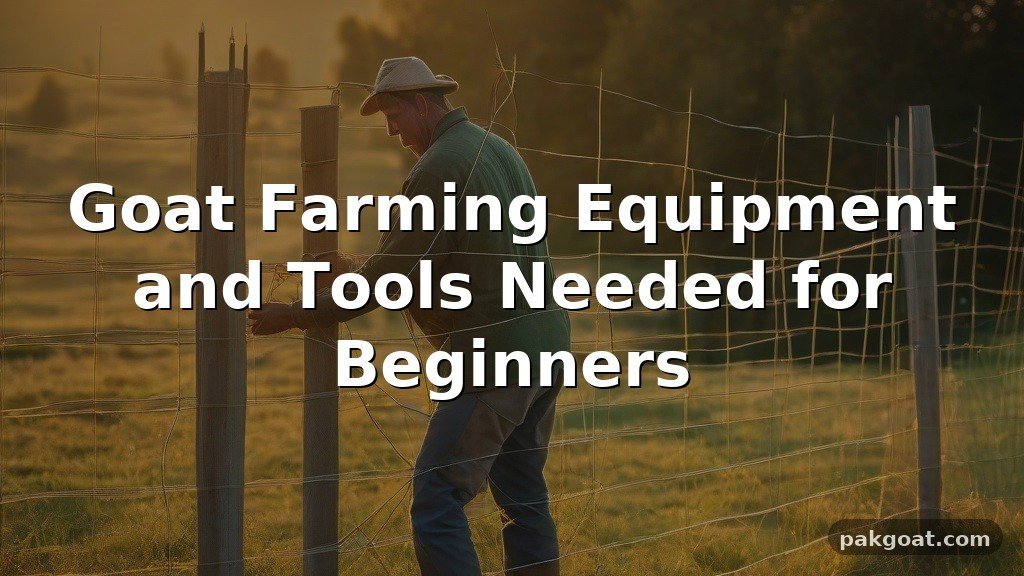
Understanding the specific goat farming equipment and tools needed is the first step toward managing a healthy, productive herd. Whether you are focusing on milk production or meat, your success depends on providing the right infrastructure for your animals. This overview covers the essential gear required to maintain a safe environment, manage daily health checks, and streamline your farm operations.
By investing in the right items early, you avoid costly mistakes and ensure your livestock thrives in their new home. You will find that prioritizing quality materials, such as durable fencing and stainless steel feeding containers, saves significant time and maintenance labor in the long run.
Essential Infrastructure and Housing
The primary requirement for any goat owner is a secure, dry shelter that protects the herd from harsh weather and predators. Goats are susceptible to respiratory issues if kept in damp or drafty conditions, so ventilation is critical. You should allocate at least 12 to 15 square feet of floor space per goat to prevent overcrowding.
Fencing and Containment
Goats are notorious for testing boundaries, making reliable fencing the most important investment on your farm. Woven wire fencing, often called “no-climb” fencing, is the gold standard because it prevents hooves from getting stuck.
- Woven wire fencing at least 48 inches high
- Heavy-duty wooden or metal posts for corner bracing
- Gate latches that are predator-proof and secure
- Electric fencing strands to discourage climbing or leaning
Feeding and Watering Systems
Efficient feeding systems minimize waste, which is a major expense in any livestock operation. Goats are picky eaters and often refuse to eat hay that has been trampled or soiled on the ground. Using elevated feeders keeps the forage clean and reduces the spread of parasites.
Watering Equipment
Fresh water is the most vital nutrient for your goats, especially for those producing milk. A single goat can consume between 1 and 3 gallons of water daily depending on the temperature and lactation status.
| Equipment Type | Primary Function | Estimated Price Range |
|---|---|---|
| Stainless Steel Trough | Hygiene and durability | $50 – $150 |
| Automatic Waterer | Consistent supply | $80 – $200 |
| Hay Feeder | Waste reduction | $40 – $120 |
| Mineral Feeder | Nutrient intake | $20 – $50 |
Health and Maintenance Tools
Routine health management is non-negotiable when maintaining a productive herd. You need a dedicated kit for regular hoof trimming and medical emergencies. Keeping these items organized in a weather-proof box ensures you are ready when you need to treat an individual animal.
Hoof Care and Grooming
Overgrown hooves cause significant discomfort and can lead to permanent lameness. You should trim hooves every 6 to 8 weeks to keep your animals mobile and comfortable. Sharp, high-quality hoof shears are the most important tool in this category.
Common Questions About Farm Gear
How many goats can I keep on one acre?
A general rule of thumb is that one acre of well-managed pasture can support 6 to 8 goats. This number varies significantly based on your local climate, rainfall, and the quality of your forage.
Do I need specialized equipment for milking?
If you plan to sell milk, you need stainless steel pails, filters, and a dedicated sanitization station. While hand milking is common for small herds, vacuum-powered milkers become necessary once you exceed five to ten does.
What is the best material for feeders?
Stainless steel is preferred because it is non-porous, easy to sanitize, and rust-resistant. Plastic feeders are cheaper but can crack under the sun or harbor bacteria in small scratches over time.
How do I handle predator protection?
Beyond physical fencing, many farmers use livestock guardian dogs or donkeys. These animals provide an active deterrent against coyotes and stray dogs, which are the most common threats to small ruminants.
Building Your Farm Setup
Starting your journey requires careful planning regarding the specific goat farming equipment and tools needed to keep your animals safe. By focusing on durable infrastructure, such as high-quality fencing and clean, elevated feeding stations, you create a sustainable environment that supports long-term growth. Remember that your initial investment in tools like hoof trimmers and proper water troughs pays for itself by reducing vet bills and feed waste.
As your herd expands, you can refine your setup based on the specific needs of your goats. If you have questions about specific brands or local suppliers, checking a regional agriculture extension office or a local farming website can provide tailored advice for your climate.
