

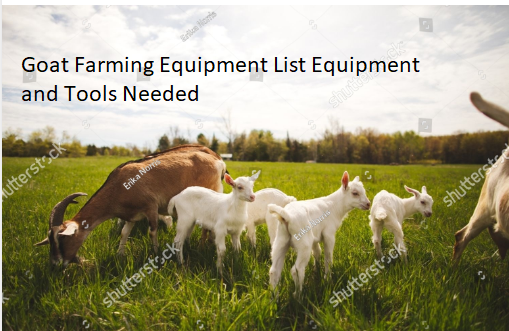
Getting started with a herd requires a practical understanding of the goat farming equipment list equipment and tools needed to maintain animal health and operational efficiency. Whether you are managing five goats for milk or fifty for meat production, the right infrastructure prevents common management headaches and ensures your livestock remains secure.
Investing in durable, high-quality gear from the outset saves significant time and money by reducing the frequency of repairs and replacements. This overview provides the essential items every producer should prioritize to build a functional, safe, and productive farm environment.
Essential Housing and Shelter Infrastructure
Goats are notoriously sensitive to moisture and drafts, making a dry, well-ventilated barn or shed your most important asset. A structure providing at least 12 to 15 square feet per goat is the standard requirement for comfort and disease prevention.
Walls should be solid enough to block wind, but the upper portions must allow for consistent airflow to prevent ammonia buildup. You should avoid low-roof designs that trap humidity, as respiratory issues in goats often stem from poor ventilation rather than cold temperatures alone.
Flooring choices significantly impact your daily labor requirements during the winter months. Many farmers prefer a “deep bedding” method where wood shavings or straw are added incrementally to absorb waste. This creates a compost layer that provides natural warmth for the animals through the winter.
You will need a pitchfork and a heavy-duty muck bucket to clean these areas efficiently when spring arrives. Always ensure the floor is slightly elevated or sloped to encourage drainage away from the sleeping area.
Fencing represents the most significant capital expenditure for any new operation. Goats are notorious escape artists and require woven-wire fencing at least 48 inches high to keep them contained. You should install the wire tightly and secure it to sturdy posts spaced no more than 10 feet apart.
If you have predators in your area, adding an electrified strand along the top or bottom of the fence line acts as an effective deterrent. Never rely on simple barbed wire, as it causes injury and fails to stop determined goats from pushing through the gaps.
Feeding and Watering Systems
Efficient feeding systems minimize waste, which is critical because goats often trample and soil hay if it is placed directly on the ground. A wall-mounted hay feeder with a catch tray is the industry standard for preventing feed contamination.
These feeders keep the hay elevated, allowing the animals to pull out what they want without dragging the entire bale into the dirt. You should also provide a mineral station equipped with a loose mineral mix specifically formulated for goats, as they require high levels of copper that are often missing from standard pasture forage.
Water intake is the single most important factor for milk production and overall herd health. A lactating doe can consume several gallons of water per day, so you need a reliable, clean source that remains accessible year-round. Use heavy-duty, tip-resistant troughs that are easy to scrub out once a week to prevent algae growth.
In freezing climates, investing in a heated water tank or a submersible tank heater is mandatory. If the water freezes, the goats will stop drinking, which leads to metabolic issues like urinary calculi in bucks.
| Equipment Category | Primary Utility | Maintenance Frequency |
|---|---|---|
| Hay Feeder | Prevents feed waste and parasite transmission | Daily inspection |
| Water Trough | Ensures hydration for milk production | Weekly cleaning |
| Mineral Station | Provides essential trace elements | Monthly refill |
| Storage Bin | Protects feed from pests and moisture | As needed |
Health and Medical Management Tools
A comprehensive medical kit is a non-negotiable part of your goat farming equipment list equipment and tools needed for responsible ownership. You should maintain a dedicated tackle box or cabinet stocked with basic supplies for minor injuries and routine care. Essential items include a digital rectal thermometer, antiseptic spray, gauze bandages, and a pair of sharp hoof trimmers.
A standard rectal temperature for a healthy goat typically ranges between 101.5 and 103.5 degrees Fahrenheit. Knowing how to take a temperature quickly can save a goat’s life during an illness.
Hoof care is a frequent task that requires specialized attention every 6 to 8 weeks. Without regular trimming, goats develop overgrown hooves that lead to lameness and bacterial infections like foot rot. You will need a pair of dedicated goat hoof shears and a small rasp to smooth the edges after trimming.
Some farmers find a hoof stand helpful for securing the goat, as it keeps the animal still and elevates the foot to a comfortable working height. Always keep your blades sharp to ensure clean, precise cuts that don’t bruise the sensitive sole.
Parasite management is a reality of goat farming that requires specific testing tools. Investing in a basic microscope allows you to perform fecal egg counts, which helps you avoid over-treating your animals with chemical dewormers. By monitoring the parasite load, you can target only the goats that actually need intervention.
You should also keep a supply of oral syringes on hand for administering medication or supplements directly into the mouth. Accurate dosing is critical, so keep a small digital scale nearby to weigh your goats occasionally to ensure you are giving the correct amount of medicine.
Milking Equipment for Dairy Operations
If you are milking your goats, the equipment list expands to include hygiene-focused tools that ensure the quality of your product. A clean, dedicated milking stand is the most important piece of equipment for this process. It keeps the doe elevated, restrained, and calm, which makes the milking process significantly faster and cleaner for the operator.
The stand should feature a head gate that can be adjusted to accommodate different sizes of goats. You will also need a stainless steel milking pail with a wide mouth to catch the milk efficiently while minimizing debris.
Sanitation is the cornerstone of dairy production, so your cleaning supplies must be high quality. You should use pre-dip and post-dip teat solutions to prevent mastitis and maintain udder health. A strip cup is also necessary to inspect the first few squirts of milk for signs of clumping or discoloration, which are early indicators of infection.
After every milking session, all equipment must be washed in hot, soapy water and sanitized with a food-grade solution. For further guidance on maintaining a clean dairy environment, you can consult the eXtension Foundation for research-backed best practices.
Storage containers are the final step in the milking workflow. If you are not processing the milk immediately, it must be cooled rapidly to preserve its flavor and safety. Use glass or stainless steel containers rather than plastic, as plastic can harbor bacteria over time.
A small, dedicated refrigerator set to roughly 38 degrees Fahrenheit will keep your product fresh for several days. Always label your containers with the date of collection to ensure you are using the oldest milk first.
Handling and Restraint Gear
Managing a herd often requires moving animals for sorting, vaccination, or transport, which makes proper handling gear essential. A set of portable hurdles or panels allows you to create temporary pens or chutes in the field. These are lightweight but sturdy enough to withstand the pressure of a goat trying to back away.
You can configure them in a V-shape to funnel goats into a corner for easier catching. Having a few extra gate pins or heavy-duty zip ties on hand is always a good idea for quick repairs.
Collars and halters are standard tools for individual animal management. Every goat should wear a collar with an identification tag so you can track medical history and lineage. Halters are useful for training goats to lead, which is helpful if you need to move them to a different pasture without the stress of a chase.
Choose nylon or soft leather halters that fit snugly but do not cause chafing around the nose or eyes. Avoid leaving halters on unattended animals, as they can get caught on fences or brush.
Transporting goats requires a trailer or a well-ventilated truck bed with a secure topper. Never transport a goat loose in the back of an open truck, as they can jump out or suffer from wind-induced stress. The interior of your transport vehicle should be lined with non-slip bedding, such as rubber mats, to prevent slipping during transit.
If you are traveling long distances, ensure the animal has access to hay and water. Always check the local laws regarding livestock transport to ensure you have the necessary documentation for your animals.
Pasture Management and Maintenance
Maintaining healthy pastures is a proactive way to reduce your feed costs and improve the longevity of your herd. You will need a reliable weed whacker or brush cutter to clear invasive plants that goats may ignore. Goats are browsers, not grazers, meaning they prefer brush and woody plants over standard grass.
If your pastures become overgrown, a heavy-duty mower will help you reset the area and encourage new, tender growth. Rotating your goats through different paddocks is the most effective way to prevent overgrazing and break the parasite life cycle.
A soil testing kit is an often-overlooked tool that provides valuable data for your farm’s productivity. By testing your soil every few years, you can determine if you need to add lime or specific fertilizers to improve the quality of your forage. If the soil lacks essential nutrients, the plants will be stunted, which in turn means your goats get less nutrition.
A basic pH test will tell you if your soil is too acidic, which is a common issue in many regions. Healthy soil results in more resilient plants and, ultimately, healthier goats.
* Heavy-duty wheelbarrow for moving feed and manure
* Long-handled shovel and rake for barn maintenance
* Portable electric fencing for rotational grazing
* High-quality work gloves to protect hands during construction
* Tool belt for carrying shears and identification markers
* Sturdy boots with steel toes for safety around heavy equipment
Storage and Organization Solutions
Keeping your goat farming equipment list equipment and tools needed organized will save you hours of frustration when an emergency occurs. A dedicated shed or a climate-controlled corner of your barn is ideal for storing sensitive items like medications and delicate tools. Use clear, stackable plastic bins to group your items by category, such as “Medical,” “Milking,” or “Fencing.”
Labeling these bins makes it easy for other farm hands or family members to find exactly what they need without searching through clutter. Keep your most frequently used items, like hoof trimmers, on a wall-mounted pegboard.
Pest control is a major concern when storing large quantities of hay and grain. Rodents can destroy feed bags and spread disease, so use metal or heavy-duty plastic bins with tight-fitting lids for all feed storage. Avoid storing grain on the floor, as it draws moisture and encourages mold growth.
A simple wooden pallet serves as an excellent base to keep your feed bags off the concrete and allow for air circulation underneath. If you notice signs of pests, place traps in areas inaccessible to your goats.
Large-scale operations might consider a dedicated workshop area for minor equipment repairs. If you have a tractor or a utility vehicle, you will need a basic set of wrenches, screwdrivers, and a grease gun for routine maintenance. Keeping your machinery in good working order prevents unexpected downtime during critical tasks like haying season.
Store your manuals and maintenance logs in a dry location so you can easily reference them when troubleshooting. A well-organized workspace is a sign of an efficient, well-run farm.
Frequently Asked Questions
What is the most important piece of equipment for a beginner?
A secure, predator-proof shelter is the absolute priority. Without a dry, draft-free place for your goats to sleep, they are highly susceptible to illness and predation. Once you have a secure barn, you can prioritize fencing and feeding infrastructure to manage the daily routine.
How often should I trim goat hooves?
You should check hooves every 6 to 8 weeks, though the frequency depends on the terrain. Goats kept on rocky or hard ground will wear their hooves down naturally, while those on soft pasture will require more frequent manual trimming. Regular checks prevent long-term lameness and expensive veterinary bills.
Can I use standard dog fencing for goats?
Generally, no. Standard dog fencing is rarely tall enough or strong enough to contain a determined goat. They will either jump over it or push through the mesh, leading to escapes and potential injury. Always invest in proper agricultural woven-wire fencing designed for livestock.
What medical tools do I need for a basic kit?
Your kit should include a digital thermometer, antiseptic spray, gauze, medical tape, and sharp hoof trimmers. It is also wise to have oral syringes for administering supplements and a small digital scale for weighing goats to ensure correct medication dosages. Keep these items in a clean, dry box.
How much space does one goat need?
A safe rule of thumb is 12 to 15 square feet of indoor space per goat. If you are keeping them in a confined area for long periods, you need more room to prevent bullying and waste buildup. Always provide enough space for every animal to move around comfortably without crowding.
Building Your Operational Foundation
Establishing a successful herd requires more than just animals; it demands a functional environment built on the right tools and infrastructure. By focusing on the essentials of shelter, nutrition, and health management, you create a system that supports both the well-being of your goats and the sustainability of your farm. The items outlined in this goat farming equipment list equipment and tools needed are designed to help you minimize waste, improve efficiency, and respond quickly to the daily demands of livestock care.
Start by securing your perimeter and providing a safe, dry barn before bringing your goats home. Once your core infrastructure is in place, you can gradually invest in specialized tools for milking, medical care, or pasture improvement as your operation grows. Remember that quality gear pays for itself over time through durability and reduced maintenance needs.
As you settle into your routine, keep your tools organized and your supplies stocked to ensure you are always ready for the challenges of the season. Your commitment to proper equipment today will set the stage for a productive and rewarding experience in the years to come.
