

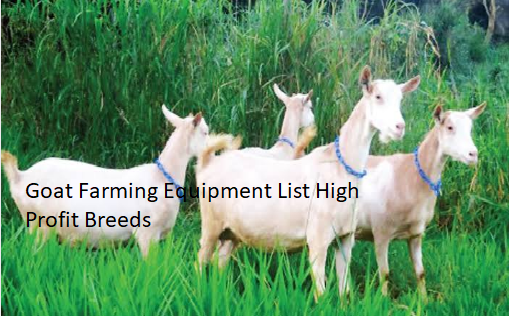
Understanding the specific requirements for a goat farming equipment list high profit breeds involves balancing initial capital expenditure with long-term productivity. Success in this sector relies on selecting animals known for high growth rates or superior milk yields while maintaining a lean infrastructure. By focusing on essential tools and high-value genetics, farmers can significantly reduce overhead costs and improve profit margins.
This overview provides the technical details needed to establish a viable operation, covering everything from necessary housing hardware to the selection of market-ready breeds. Readers will learn how to align their investment with industry standards for efficiency and growth.
Core Equipment Essentials for Goat Production
Setting up a functional goat farm requires a specific set of tools designed to ensure animal welfare and operational efficiency. You do not need expensive, automated systems to start; rather, you need reliable, durable hardware that simplifies daily chores.
The foundation of your facility starts with sturdy fencing. High-tensile woven wire is the industry standard for containing goats, as they are notorious for testing boundaries.
Watering systems are the second most critical investment. Goats require constant access to clean, fresh water to maintain milk production and overall health.
Automatic waterers are highly recommended because they reduce labor and ensure the troughs never run dry during hot summer months. If you lack a pressurized water line, heavy-duty rubber troughs are preferred over plastic, as they resist cracking in freezing temperatures.
Feeding infrastructure should be designed to minimize waste. Goats are picky eaters and will trample hay if it is placed directly on the ground.
Using hay feeders that keep the forage off the floor prevents contamination and reduces the risk of parasite transmission. A simple, elevated rack design can be built with basic lumber and wire mesh, saving you significant costs during the initial setup.
High Profit Breeds for Meat Production
When evaluating a goat farming equipment list high profit breeds, the breed selection often dictates your profit margins more than the equipment itself. For meat production, the Boer goat is the undisputed leader in the industry.
These animals are renowned for their rapid growth rates and heavy muscle mass, making them highly desirable for commercial markets. A well-managed Boer buck can reach market weight significantly faster than standard dairy-cross goats.
The Kiko breed offers a different, yet equally profitable, path for meat-focused farmers. Kikos were developed in New Zealand to be extremely hardy and parasite-resistant, which lowers your veterinary expenses.
They thrive in environments where other breeds might struggle, making them an excellent choice for pasture-based systems. Their ability to maintain body condition on forage alone reduces your reliance on expensive supplemental grain.
Spanish goats are another viable option for producers focusing on low-input systems. These goats are survivors, often referred to as “brush goats” due to their preference for clearing invasive vegetation.
Because they require less intensive management and have high reproductive rates, they offer a strong return on investment for farmers with large tracts of land. They are particularly valued for their ability to thrive in harsh, semi-arid climates.
Dairy Breeds and Value-Added Potential
If your goal is milk production, the equipment list expands to include milking stands and pasteurization units. Saanen goats are widely considered the “Holsteins of the goat world” due to their high volume of milk production. They are docile, easy to handle, and produce a high quantity of milk with a lower butterfat content, which is ideal for commercial fluid milk sales.
Nubian goats are the preferred choice for cheesemakers and artisan dairy producers. While they produce less volume than Saanens, their milk is exceptionally high in butterfat and protein.
This makes it more efficient to turn into cheese, yogurt, or soap, which are high-value products. The price per gallon for processed dairy products is significantly higher than that of raw milk, providing a clear path to profitability.
Alpine goats represent a middle ground, offering solid production volume and good milk quality. They are known for their longevity and resilience, often staying productive for many years.
When selecting dairy breeds, prioritize animals with documented production records. Investing in superior genetics from the American Dairy Goat Association ensures that you are starting with a herd capable of high-yield performance.
Infrastructure and Shelter Requirements
Housing for goats does not need to be elaborate, but it must be dry and well-ventilated. Respiratory issues are the leading cause of mortality in juvenile goats, often resulting from damp, stagnant air.
A simple three-sided shed facing away from the prevailing wind is usually sufficient for most climates. Ensure the roof is watertight and the floor is elevated slightly to prevent moisture buildup from rain or snow.
Internal partitioning is essential for managing breeding cycles and separating sick animals. Using portable gates allows you to create flexible pen sizes based on the size of your herd.
This modular approach is much more cost-effective than building permanent walls. You can adjust the layout as your herd grows, ensuring the space is always optimized for the number of animals present.
Bedding management is a constant operational expense that you must plan for. Straw or wood shavings are common choices, but they must be kept dry to prevent hoof rot.
Implementing a “deep litter” system can be labor-saving, where you add fresh layers of bedding over the old ones throughout the winter. This process creates a composting effect that generates heat, keeping the goats warm during cold snaps.
Financial Comparison of Goat Breeds
To maximize profit, you must compare the input costs against the potential market output for different breeds. The table below outlines the general characteristics of popular breeds to help you decide which fits your business model.
| Breed | Primary Use | Market Advantage | Growth Rate |
|---|---|---|---|
| Boer | Meat | High muscle mass | Fast |
| Kiko | Meat | Parasite resistance | Moderate |
| Saanen | Dairy | High volume | Fast |
| Nubian | Dairy | High butterfat | Moderate |
Essential Tools for Herd Health
A comprehensive goat farming equipment list high profit breeds must include tools for preventative health. You will need a high-quality hoof trimmer, as overgrown hooves lead to lameness and decreased production.
A basic set of pruning shears or specialized hoof nippers is sufficient for most small-scale operations. Regular trimming intervals, usually every 8 to 12 weeks, prevent long-term orthopedic issues.
Medical supplies should be kept in a dedicated, clean storage box. This kit should include items such as antiseptic spray, sterile needles, syringes, and a digital thermometer.
Being able to take a goat’s temperature is one of the fastest ways to diagnose illness. A normal rectal temperature for a goat ranges between 101.5 and 103.5 degrees Fahrenheit.
Deworming protocols are also vital for maintaining high profit margins. Parasite loads can quickly decimate a herd’s condition and reduce market value.
Investing in a FAMACHA card, which helps identify anemia based on eyelid color, allows you to target deworming treatments to only the animals that need them. This practice reduces the risk of drug resistance in your herd.
Strategic Marketing and Sales Channels
Selling your product is the final step in realizing the potential of a goat farming equipment list high profit breeds. For meat producers, direct-to-consumer sales often yield the highest prices.
Selling whole or half goats to families or local restaurants eliminates the middleman and keeps the profit in your pocket. You will need to build relationships with local processors to ensure your meat is handled according to state regulations.
Dairy producers should focus on niche markets like farmers’ markets or artisanal cheese shops. The demand for goat milk products continues to grow as consumers look for alternatives to cow milk.
Packaging your products professionally is essential for commanding a premium price. Simple, clean labels that highlight the freshness and quality of your milk can differentiate your brand from competitors.
Online presence is becoming increasingly important for breeders of high-quality stock. Maintaining a simple website or social media page allows you to showcase your herd and reach a broader audience.
Posting photos of your kids and providing transparent information about your breeding program builds trust. Buyers are often willing to pay more for animals with a known, well-documented history.
Common Operational Challenges
One of the biggest challenges for new farmers is managing the transition from a small herd to a commercial scale. As your herd grows, the time required for daily tasks increases exponentially.
Implementing efficient systems, such as automated waterers and centralized feeding areas, becomes a necessity rather than a luxury. Do not underestimate the time required for cleaning and record-keeping, which are the backbone of a successful business.
Predator control is another area that requires constant vigilance. Coyotes, stray dogs, and even birds of prey can cause significant losses in a short period.
Many farmers choose to use livestock guardian dogs (LGDs) to protect their herd. These animals live with the goats and act as a deterrent, but they also require their own training and care.
Finally, managing forage quality is a constant struggle for pasture-based farmers. Overgrazing leads to soil erosion and the introduction of invasive weeds, which can lower your carrying capacity.
Implementing a rotational grazing system is the best way to maintain healthy pastures. By moving your goats frequently, you allow the grass to recover and break the parasite life cycle, naturally improving the health of your animals.
Frequently Asked Questions
What is the most profitable goat breed for beginners?
Boer goats are generally considered the most profitable for beginners focusing on meat due to their high demand and fast growth. They are widely recognized in the market, making them easier to sell than niche breeds.
How do I determine if a goat is healthy before buying?
Check the eyes for bright, alert expression and the eyelid color for signs of anemia. Observe the coat for a healthy sheen and check the body condition score to ensure the animal is not underweight.
Is it better to start with kids or mature breeding stock?
Starting with mature, proven breeding stock is often more expensive but yields faster returns. Purchasing kids is a lower-cost entry point but requires more time and patience before you see a profit.
What are the essential items for a basic goat farm?
You need sturdy woven-wire fencing, a three-sided shelter, elevated hay feeders, and automatic watering troughs. These items form the core of a productive, low-maintenance setup.
How often should I trim my goats’ hooves?
Hooves should be inspected every 8 to 12 weeks. The frequency depends on the terrain, as rocky ground helps wear them down naturally, while soft, wet pastures require more frequent manual trimming.
Establishing Your Profitable Future
Selecting the right animals and infrastructure is the most critical step in building a successful operation. By focusing on the items outlined in this goat farming equipment list high profit breeds, you can streamline your workflow and keep your overhead low. Success in this industry demands attention to detail, especially regarding health management and pasture rotation.
Start by selecting a breed that matches your local market demand and your specific environmental conditions. Once your foundation is set, focus on maintaining high standards of animal welfare and record-keeping. These practices will directly translate into higher productivity and better margins over time.
Reach out to local agricultural extensions or established breeders to gain further insights specific to your region. Consistent improvement and careful planning are the keys to long-term sustainability in the goat farming sector.
