

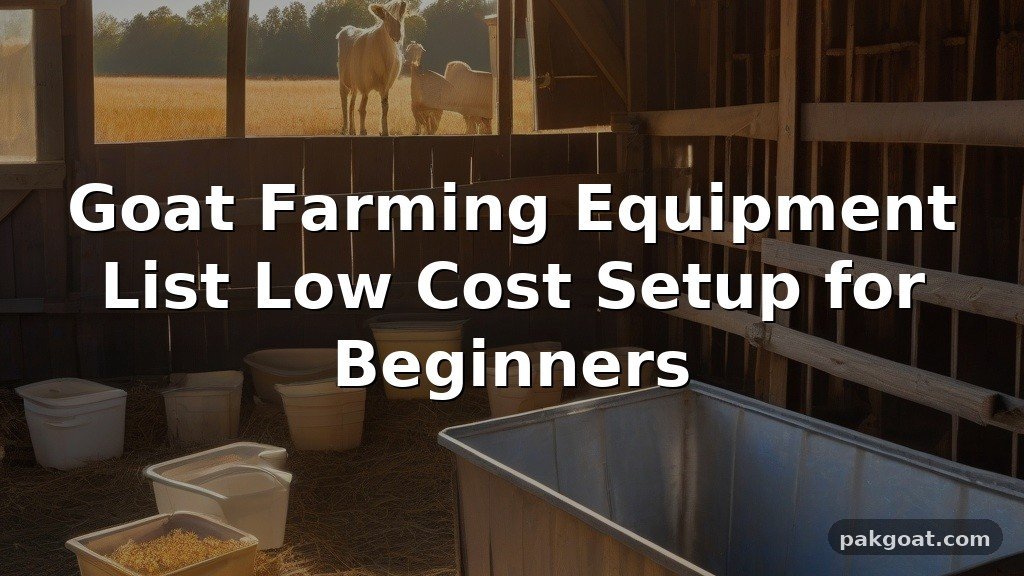
Starting a successful small-scale operation requires a practical goat farming equipment list low cost setup that prioritizes animal welfare without unnecessary overhead. You don’t need expensive automation to begin, as most essential tasks can be managed with basic, durable tools.
By focusing on repurposed materials and multi-purpose gear, you can keep your initial investment low while building a sustainable foundation for your herd. This approach helps you avoid the common trap of overspending on equipment that doesn’t directly contribute to the productivity or health of your livestock.
Essential Tools for Beginners
When you are building your goat farming equipment list low cost setup, you should prioritize items that serve multiple functions. Feeding and watering systems are your primary expenses, but they do not need to be purchased from high-end agricultural retailers. You can often find used troughs or heavy-duty plastic barrels that work perfectly for a fraction of the retail price.
Feeding and Watering Gear
- Heavy-duty troughs: Avoid light plastic that cracks under pressure.
- Raised hay feeders: These prevent waste by keeping forage off the ground.
- Automatic waterers or galvanized tubs: Clean water is the most critical factor for milk production.
- Mineral blocks: Essential for goat health and preventing deficiencies.
- Storage bins: Airtight containers for feed keep pests out and maintain quality.
Infrastructure and Shelter Requirements
Your goats need a dry, draft-free environment to stay healthy, but you don’t need a custom-built barn to provide it. Existing sheds or outbuildings can be retrofitted with simple wooden pallets and wire fencing to create secure pens. Always ensure the flooring remains dry, as damp conditions lead to hoof rot and other expensive medical issues.
Cost Breakdown Comparison
The following table provides a rough estimate of potential savings when choosing second-hand or repurposed items over brand-new commercial alternatives.
| Equipment Item | New Retail Price | Low-Cost/Used Estimate |
|---|---|---|
| Hay Feeder | $150 – $300 | $30 – $60 |
| Water Trough | $80 – $120 | $20 – $40 |
| Fencing (per roll) | $200+ | $50 – $100 |
| Milking Stand | $250 – $450 | $50 – $100 |
Health and Maintenance Tools
Routine maintenance is the secret to keeping your veterinary bills low. You need a basic kit for grooming and medical checks to catch issues before they escalate. Keeping a log of these activities is vital for tracking the health of your goats over time.
Must-Have Medical Supplies
You should always keep an antiseptic spray, a thermometer, and a hoof trimmer on hand. These items represent a small investment but prevent major losses if an animal gets injured. If you plan on milking, a simple stainless steel pail and a basic filter are sufficient for starting out.
Frequently Asked Questions
What is the cheapest way to feed goats?
The most cost-effective method is rotational grazing on your own land. Supplementing with high-quality hay during winter is necessary, but sourcing bulk hay directly from local farmers significantly lowers the price compared to buying small bags at retail stores.
How many acres do I need for a small herd?
A general rule of thumb is that you can support 5 to 10 goats per acre depending on the quality of your forage. If you have less land, you will need to rely more on stall feeding, which increases your overall feed budget.
Do I really need a professional milking stand?
While you can make do without one, a stand makes milking much faster and cleaner. You can easily build a functional one using scrap lumber for under $50, which is a great addition to any goat farming equipment list low cost setup.
How often should I trim hooves?
Most goats need a hoof trim every 6 to 8 weeks. Keeping a sharp, dedicated pair of shears is a small but essential cost that prevents long-term mobility issues in your herd.
Building Your Success
Starting your journey into agriculture requires careful planning and a commitment to keeping your overhead manageable. By utilizing a smart goat farming equipment list low cost setup, you ensure that your capital stays focused on the health and growth of your animals rather than fancy infrastructure. Focus on sourcing quality, durable items and learn to perform basic maintenance tasks yourself to keep operational costs low.
If you start small and scale based on your actual income, you will be in a much stronger position to expand your farm over time. Always check your local market for used deals and connect with other farmers to share resources. Good luck with your new venture.
