

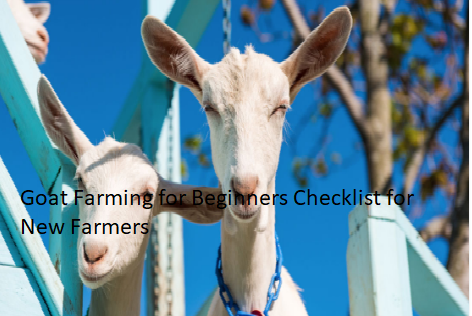
Starting a small-scale operation requires careful preparation, as using a reliable goat farming for beginners checklist for new farmers helps prevent common mistakes that lead to livestock loss or financial strain. Success in this field depends on understanding basic infrastructure, animal health, and daily management routines before you bring your first kids home.
By focusing on essential housing, proper fencing, and nutritional requirements, you create a sustainable foundation for your herd. This article provides the specific steps and data you need to launch your venture confidently while ensuring the welfare of your animals remains the top priority throughout your journey.
Essential Infrastructure and Housing Requirements
Shelter design is the first critical component on your goat farming for beginners checklist for new farmers because these animals are highly sensitive to moisture and drafts. Goats do not require expensive, climate-controlled barns, but they do need a dry, three-sided structure that provides protection from wind and rain. Aim for approximately 12 to 15 square feet of space per adult goat inside the shelter to prevent overcrowding and stress.
Ventilation is just as important as protection from the elements. If your barn lacks proper airflow, ammonia buildup from urine can lead to severe respiratory issues in your herd.
Position your shelter so the open side faces away from prevailing winds, typically toward the south or east in the Northern Hemisphere. Ensure the floor is kept dry by using elevated wooden pallets or a thick layer of straw bedding that you replace regularly.
Fencing represents the largest initial investment for most new farmers. Goats are notorious escape artists that can climb, jump, or crawl under standard wire fencing.
You should invest in woven wire fencing that is at least 48 inches high to keep your animals contained and predators out. If you are using electric fencing, ensure it is properly grounded and maintains a consistent charge of at least 4,000 volts to deter curious goats from testing the perimeter.
Selecting the Right Breed for Your Goals
Choosing the correct breed is a vital step in your goat farming for beginners checklist for new farmers, as different types serve distinct purposes. Dairy breeds like the Nubian or Alpine require a significant time commitment for twice-daily milking. If your goal is meat production, hardy breeds such as the Boer or Kiko are better suited due to their rapid weight gain and parasite resistance.
Fiber goats, specifically the Angora breed, provide mohair but demand more intensive grooming and specialized nutrition to maintain high-quality coats. Many beginners start with a dual-purpose breed or a small herd of Nigerian Dwarf goats, which are easier to handle due to their smaller size. Regardless of the breed, always purchase from reputable breeders who provide health records and testing results for common diseases like Caseous Lymphadenitis (CL) and Caprine Arthritis Encephalitis (CAE).
Before finalizing your purchase, inspect the animal in person. Look for clear eyes, a healthy coat, and a normal gait, and ask to see the dam and sire if possible.
Never buy a goat that appears lethargic or has visible discharge from the nose or eyes. Starting with healthy stock is the most effective way to avoid expensive veterinary bills later in the season.
Nutritional Needs and Pasture Management
Goats are ruminants, meaning they possess a complex four-compartment stomach designed for high-fiber foraging. A balanced diet consists of high-quality hay, fresh water, and access to a mineral block specifically formulated for goats. Avoid using sheep minerals, as they often contain levels of copper that are toxic to goats.
Pasture rotation is an essential practice for maintaining animal health. If you graze your goats in the same paddock for too long, they will inevitably consume forage contaminated with parasite larvae. Divide your land into smaller sections and move your herd every 7 to 14 days to allow the grass to recover and break the parasite life cycle.
Supplemental feeding becomes necessary during winter months or when pasture quality declines. High-quality alfalfa hay is an excellent source of protein and calcium for lactating does and growing kids. Always provide clean, fresh water at all times, as a goat that stops drinking will quickly stop eating, which can lead to life-threatening digestive blockages.
Health Maintenance and Veterinary Basics
Preventative care is the backbone of any goat farming for beginners checklist for new farmers. You should establish a relationship with a local veterinarian who has experience with small ruminants before an emergency occurs. Keep a basic medical kit on hand that includes a digital thermometer, antiseptic spray, sterile needles, and an electrolyte supplement for dehydrated animals.
Parasite control is a constant battle for goat farmers. Learn to perform a FAMACHA score, which involves checking the color of the goat’s lower eyelid to assess anemia levels caused by the barber pole worm. This method allows you to target only the animals that need deworming rather than treating the entire herd, which slows the development of drug-resistant parasites.
Vaccination schedules are non-negotiable for a healthy herd. Most farmers vaccinate annually against Clostridium perfringens types C and D and tetanus, commonly referred to as the CD&T vaccine.
Consult the eXtension Foundation for regional guidance on specific diseases prevalent in your area. Keeping detailed records for each animal—including birth dates, vaccinations, and deworming treatments—is essential for tracking your herd’s health status over time.
Financial Planning and Budgeting
Understanding the costs associated with your operation is a key part of the goat farming for beginners checklist for new farmers. While initial costs for fencing and shelters are high, recurring expenses include feed, hay, veterinary care, and registration fees. You must track every dollar spent to determine if your farm is operating at a profit or a loss.
| Expense Category | Estimated Initial Cost | Recurring Annual Cost |
| :— | :— | :— |
| Fencing (per acre) | $1,500 – $3,000 | $100 – $300 |
| Shelter Construction | $500 – $2,000 | $50 – $150 |
| Feed and Hay | $0 | $300 – $600 per goat |
| Veterinary/Medicine | $50 | $100 per goat |
| Equipment (Tools/Buckets) | $200 – $400 | $50 |
Revenue streams vary depending on your business model. Some farmers focus on selling breeding stock, while others emphasize meat production or dairy products like cheese and soap.
Diversification can help stabilize your income, but avoid spreading yourself too thin during your first year. Focus on mastering one product line before expanding into secondary markets.
Daily Management and Time Commitment
Goats require consistent daily interaction to remain manageable and healthy. Your daily routine should include checking for injuries, ensuring fresh water is available, and observing the herd for any behavioral changes. A goat that stands off by itself or stops chewing its cud is often a sign of an underlying illness.
Weekly tasks involve cleaning stalls, checking fence lines for damage, and monitoring pasture growth. Monthly activities include trimming hooves to prevent rot and structural issues, as well as performing a thorough health check on each animal. Neglecting these routine tasks can lead to long-term issues that are much harder and more expensive to fix.
If you have a full-time job, you must account for the time required to manage the herd before and after work. Goats are social creatures that thrive on routine, so try to feed and check them at the same time every day. This consistency also makes it easier to spot when an animal is “off,” as you will be intimately familiar with their normal behavior.
Marketing and Sales Strategies
Once your herd is established, you need a plan for selling your products or livestock. Start by identifying your target market in your local community. Farmers’ markets are excellent venues for selling dairy products or goat meat, provided you comply with all local health department regulations.
Building a reputation for quality is the most effective form of marketing. Keep your animals clean and your farm tidy, as potential buyers often judge the quality of your stock by the state of your facilities. Use social media to document your farm’s progress, showing customers the care you take in raising your goats.
Networking with local 4-H clubs or agricultural extension offices can connect you with potential buyers. Often, these organizations look for reliable sources of healthy goats for youth projects. Consistent, honest communication with your customers will help you build a loyal base that supports your farm for years to come.
Common Beginner Mistakes to Avoid
Many new farmers fall into the trap of overstocking their land. A common rule of thumb is to start with two to four goats to learn the ropes before expanding your herd size. Overcrowding leads to increased parasite loads, higher disease transmission, and rapid degradation of your pasture.
Another common mistake is failing to quarantine new arrivals. Always keep new goats in a separate enclosure for at least 30 days before introducing them to your established herd. This prevents the accidental introduction of contagious diseases that could devastate your existing investment.
Finally, do not underestimate the importance of record-keeping. Whether you use a notebook or digital software, track birth dates, breeding dates, and health treatments. Without these records, you cannot make informed decisions about which animals to keep for breeding and which to cull, which is essential for improving your herd’s genetics over time.
Frequently Asked Questions
What is the easiest goat for a beginner to raise?
Nigerian Dwarf goats are often recommended for beginners because of their manageable size and friendly temperament. They are easier to handle than large dairy breeds and require less feed, though they still need the same basic care and parasite management as larger goats.
How many goats should I start with?
You should start with at least two goats, as they are herd animals and will become extremely stressed and vocal if kept alone. Starting with two or three animals allows you to learn the fundamentals of husbandry without being overwhelmed by the workload of a larger herd.
Are goats difficult to keep healthy?
Goats are hardy animals, but they are prone to internal parasites and respiratory issues if their living conditions are poor. If you maintain a strict schedule of deworming, vaccination, and clean housing, keeping goats healthy is very achievable for a dedicated beginner.
Do I need a lot of land to raise goats?
Goats do not require vast acreage, but they do need adequate space to browse and exercise. A small plot can support a few goats if you practice intensive rotational grazing to keep the pasture healthy and parasite counts low.
What is the most common cause of death in goats?
Internal parasites, particularly the barber pole worm, are the leading cause of health issues and death in many goat herds. Effective parasite management, which includes grazing rotation and regular FAMACHA scoring, is the most important skill for a new farmer to master.
Conclusion
Establishing a successful operation is a rewarding endeavor that requires patience, observation, and a commitment to animal welfare. By following a structured goat farming for beginners checklist for new farmers, you ensure that your infrastructure is secure, your herd is healthy, and your business model is sustainable. Remember that every experienced farmer started with the same questions and challenges you face today.
Stay consistent with your daily routines, maintain accurate health records, and never hesitate to consult with local agricultural experts when you encounter a problem. As you gain experience, your confidence will grow alongside your herd, and you will find that the effort invested in the beginning pays off in the health and productivity of your animals. Start small, focus on the fundamentals, and enjoy the process of building your own farm.
