

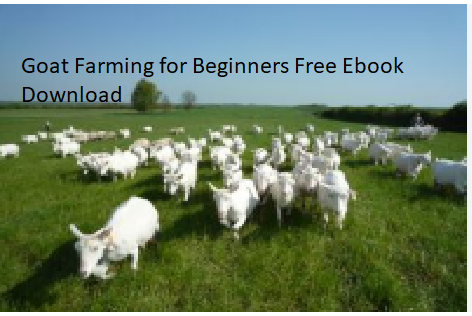
Finding a reliable goat farming for beginners free ebook download is a common first step for aspiring livestock owners who want to avoid costly mistakes. These resources provide essential insights into herd management, nutrition, and infrastructure before you purchase your first animal.
By accessing expert-vetted guides, you can establish a sustainable foundation for your small-scale operation without spending a fortune on introductory manuals. This article breaks down exactly what you need to know to get started and where to find the most accurate information.
If you are hunting for a specific goat farming for beginners free ebook download, you will find the most high-quality, non-commercial versions hosted by university agricultural extension offices. These institutions offer free, peer-reviewed documents that cover everything from basic anatomy to complex disease prevention.
You should prioritize these PDFs over generic blog-based downloads because they are written by extension agents and veterinarians with decades of field experience. For example, the Penn State Extension library is a gold-standard resource for farmers looking for evidence-based livestock management protocols.
How many goats should a beginner start with?
Most agricultural experts recommend starting with a small group of three to five does. Goats are highly social, herd-oriented animals that suffer from stress and depression if kept in isolation.
Starting with at least three ensures that if one animal is removed for medical treatment or breeding, the others remain part of a functioning social unit. This group size is small enough to manage on a typical homestead while allowing you to learn the nuances of individual personalities and health requirements.
What is the easiest goat for beginners?
Beginners often find that Nigerian Dwarf or Nubian goats are the most manageable due to their size and temperament. Nigerian Dwarfs are small, easy to handle, and produce high-quality, high-butterfat milk, making them ideal for home dairy production.
Nubians are larger but are known for being affectionate and having a vocal, friendly personality that makes them easier to train. Regardless of the breed, always prioritize purchasing from a herd that has been tested for CAE (Caprine Arthritis Encephalitis) and CL (Caseous Lymphadenitis).
Infrastructure and Fencing Requirements
Building secure infrastructure is your most significant initial capital expenditure. Goats are notorious escape artists and possess a natural curiosity that leads them to challenge every boundary you set.
You must invest in high-tensile woven wire fencing that is at least 48 to 52 inches high. Avoid using barbed wire, as goats can easily snag their hides or get their horns trapped, leading to severe injury.
Shelter design should focus on three main pillars: dryness, ventilation, and predator protection. A three-sided shed facing away from prevailing winds is usually sufficient for most climates, provided the floor remains dry.
During winter months, you must ensure the bedding stays clean, as damp conditions lead to hoof rot and respiratory issues. Use a deep-bedding method with wood shavings or straw to provide natural insulation against the cold ground.
| Infrastructure Item | Estimated Cost Range | Function |
|---|---|---|
| Woven Wire Fencing | $2.00–$4.00 per linear foot | Predator and escape control |
| Three-Sided Shelter | $500–$2,000 | Protection from elements |
| Mineral Feeders | $30–$80 | Essential trace mineral access |
| Water Troughs | $40–$150 | Fresh, clean water supply |
Understanding Goat Nutrition and Forage
Contrary to popular belief, goats are not “trash cans” that will eat anything; they are selective browsers. They prefer to eat brush, weeds, and the upper leaves of shrubs rather than grazing short grass like sheep or cattle.
You must manage your pasture rotation to prevent the buildup of internal parasites, which thrive in short, overgrazed vegetation. If you do not have enough browse, you will need to supplement with high-quality hay and potentially a formulated grain ration.
Water quality is the most overlooked aspect of goat health. Goats are extremely sensitive to dirty, stagnant water and will significantly reduce their intake if the supply is not pristine.
You should clean your water troughs at least twice a week, scrubbing away any algae or debris. A mature goat will drink between one and three gallons of water per day, depending on the temperature and their stage of lactation.
Health Management and Disease Prevention
Maintaining a healthy herd requires a proactive approach to veterinary care rather than a reactive one. You should establish a relationship with a large-animal veterinarian who has specific experience with small ruminants before you bring your first goat home.
Routine tasks include hoof trimming every six to eight weeks and monitoring for symptoms of anemia or parasite load. Famacha scoring is a critical skill for any beginner, as it allows you to check for barber pole worm infestations by looking at the color of the inner eyelid.
Vaccination protocols vary by region, but most farmers stick to a standard CD&T vaccine. This protects against Clostridium perfringens types C and D, as well as Tetanus, which are common and fatal soil-borne bacteria.
You should consult your local agricultural extension to determine the specific disease risks in your county. Keep a detailed medical log for every animal, noting dates of deworming, vaccinations, and any observed health irregularities.
Managing Reproduction Cycles
Breeding goats is a significant responsibility that requires planning for the welfare of the kids. Does typically have a gestation period of 145 to 155 days, meaning you can expect kids about five months after a successful breeding.
You must decide whether you are breeding for dairy production, meat production, or fiber, as each goal requires different management strategies. For example, dairy goats require consistent milking schedules, which can be an intensive daily commitment.
If you are keeping a buck, you must be prepared for the realities of managing a male goat. Intact males can be aggressive, develop a strong odor during rut, and require specialized, sturdy fencing to keep them separated from the does.
Many beginners choose to borrow a buck for breeding or utilize artificial insemination to avoid the challenges of housing an entire male. Always ensure you have a plan for the offspring, whether you intend to sell them as wethers, keep them for herd expansion, or process them for meat.
The Economics of Small-Scale Herding
Profitability in goat farming is rarely achieved in the first year, as startup costs for equipment and stock are high. You should view your first two years as an investment in learning and asset building.
Income streams often include the sale of goat milk products like cheese or soap, the sale of breeding stock, or the sale of kids for meat. Diversifying your income by offering multiple products can help stabilize your cash flow throughout the year.
* Direct sale of raw or processed goat milk products.
* Sale of registered bucklings or doelings for breeding.
* Sale of wethers (castrated males) for 4-H projects or meat.
* Sale of manure for organic garden fertilizer.
* Leasing out goats for brush clearing services.
Pasture Rotation and Land Management
Effective land management prevents soil erosion and maintains the health of your forage. Implementing a rotational grazing system involves splitting your available land into smaller paddocks and moving the goats every few days.
This practice breaks the life cycle of parasites, as the larvae die off before the goats return to that specific patch of grass. It also allows the vegetation to recover, which increases the total carrying capacity of your property.
You should aim for approximately six to ten goats per acre depending on the quality of your soil and the rainfall in your area. Overstocking is a common mistake that leads to degraded pastures and unhealthy animals.
If your land is not suitable for high-density grazing, you must be prepared to supplement with purchased hay. Regularly testing your soil and adding necessary amendments can significantly improve the nutritional value of your forage.
Frequently Asked Questions
How many acres do you need to raise 100 goats?
The amount of land depends entirely on your forage quality and whether you are using intensive rotational grazing. Generally, you need at least 10 to 15 acres of high-quality, well-managed pasture to support 100 goats. If you are relying solely on pasture without supplemental hay, you may need significantly more land to prevent overgrazing.
Is it expensive to start a goat farm?
The initial investment is moderate, often ranging between $2,000 and $5,000 for a small herd and basic fencing. The primary costs are the animals themselves, building shelter, and installing secure fencing. Once the infrastructure is in place, the daily operating costs are primarily for hay, minerals, and veterinary supplies.
Do goats need special minerals?
Yes, goats require a specialized loose mineral mix formulated specifically for them. Never feed goats mineral blocks intended for cattle or sheep, as these often contain levels of copper that are toxic to sheep or insufficient for goats. Ensure the mineral mix is available free-choice at all times to prevent deficiencies.
What is the hardest part of raising goats?
Most beginners find that parasite management and maintaining secure fencing are the two most difficult aspects. Goats are highly susceptible to worms, and their tendency to test fences requires constant monitoring and maintenance. Staying ahead of these two factors is the difference between a thriving herd and a struggling one.
Can I raise goats in a suburban area?
It depends on your local zoning laws and the size of your lot. Some municipalities allow small numbers of goats as pets or for milk, while others strictly forbid livestock. Always check with your local planning department or homeowners’ association before purchasing your first animal to ensure you are in compliance.
Final Thoughts on Getting Started
Establishing a successful herd requires more than just land and animals; it demands a commitment to continuous education and careful observation. By utilizing a high-quality goat farming for beginners free ebook download, you equip yourself with the technical knowledge needed to make informed decisions about nutrition, housing, and healthcare. Focus on starting small, mastering the basics of herd health, and building a secure environment before expanding your operation.
There is no substitute for hands-on experience, so consider visiting local farms or volunteering at a goat dairy to see the daily workflow in person. Your journey into livestock management is a rewarding venture that rewards patience and attention to detail.
As you gain confidence, you will find that the challenges of the first few months become the foundation for a productive and sustainable lifestyle. Use the resources available to you, stay observant, and enjoy the process of growing your own herd.
