

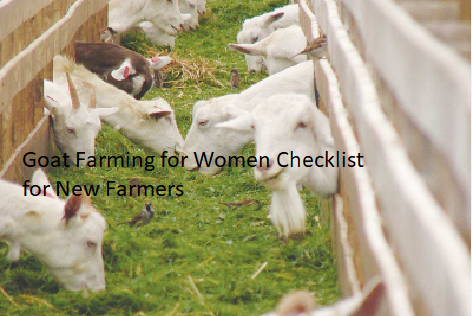
Starting a small-scale agricultural venture requires careful planning, and a goat farming for women checklist for new farmers serves as the essential blueprint for success. Whether you are aiming for milk production, fiber, or meat, the initial phase involves balancing animal welfare with financial sustainability. Understanding the specific needs of your herd, from nutrition to predator-proof fencing, will determine your long-term viability.
By focusing on manageable growth and efficient resource allocation, you can turn a small plot of land into a productive farm. This guide breaks down the technical requirements and operational steps necessary to establish a professional, high-welfare goat operation.
Essential Startup Requirements
The primary needs for a first-time goat owner include secure fencing, adequate shelter, and a reliable water source. Goats are notorious escape artists, so you must invest in high-tensile woven wire fencing at least 48 inches high to keep them contained.
A dry, draft-free shelter is non-negotiable, as goats are highly susceptible to pneumonia and hoof rot in wet conditions. You will also need a dedicated space for storing hay, minerals, and basic veterinary supplies. Aim to have these structures completed at least two weeks before the arrival of your first animals to ensure everything is functional and safe.
Choosing the Right Goat Breed
Selecting the right breed depends entirely on your primary goal, whether it is dairy, meat, or fiber production.
For dairy, breeds like the Saanen or Alpine are high-volume producers, while the Nigerian Dwarf is popular for small-scale operations due to its manageable size and high butterfat content. Meat producers often look toward Boer goats, which are prized for their rapid growth rates and muscular builds. If you are interested in fiber, Angora goats produce mohair, though they require more intensive grooming and specific dietary management.
Researching the local climate is vital, as some breeds handle heat better than others.
Financial Planning and Costs
Setting up a sustainable operation requires a clear understanding of your initial capital and ongoing monthly expenses. A typical startup budget must account for animal acquisition, veterinary fees, specialized fencing, and high-quality feed. You can expect to spend anywhere from $200 to $600 per breeding doe, depending on the breed and lineage.
Ongoing monthly costs for a small herd of five goats generally range from $150 to $300, covering hay, grain, minerals, and deworming medications. Always maintain a contingency fund of at least 20% of your total budget to handle unexpected veterinary emergencies.
| Category | Estimated Startup Cost | Ongoing Monthly Cost |
|---|---|---|
| Animal Acquisition | $200 – $600 per head | N/A |
| Shelter Construction | $500 – $2,000 | $20 – $50 (Maintenance) |
| Fencing Supplies | $1,000 – $3,000 | $10 – $30 (Repairs) |
| Feed and Minerals | $100 (Initial stock) | $100 – $250 |
| Veterinary Supplies | $150 (Basic kit) | $20 – $100 |
Daily Herd Management
Managing a herd requires a disciplined daily routine to monitor for illness and maintain production levels. You must check every animal at least once a day for signs of lethargy, abnormal discharge, or lack of appetite. Goats are social creatures, so you should avoid keeping a single goat; they require the companionship of at least one other to remain stress-free. Clean water is the most critical component of their diet, and you should scrub troughs weekly to prevent algae and bacteria buildup. Keep a dedicated logbook to record health checks, breeding dates, and any vaccinations administered to each individual goat.
Nutrition and Grazing Strategies
Proper nutrition is the cornerstone of a healthy herd and high-quality product output. Goats are browsers, not grazers, meaning they prefer shrubs, weeds, and tree leaves over standard pasture grass. You must provide access to high-quality hay during winter months or when natural forage is insufficient. A loose mineral supplement specifically formulated for goats is essential to prevent deficiencies, particularly in copper and selenium. Consult with the eXtension Foundation for regional resources regarding specific forage types that thrive in your local soil and climate.
Veterinary Care and Health
A proactive health strategy is far more cost-effective than reactive medical treatment. You should establish a relationship with a large-animal veterinarian before you bring your goats home to ensure you have support during emergencies. Routine care includes hoof trimming every six to eight weeks, which prevents painful infections and lameness. Deworming is a major concern, as parasite resistance is common; use the FAMACHA system to check eyelid color and determine if an animal actually requires chemical treatment. Keep a basic medical kit stocked with sterile needles, antiseptic spray, thermometer, and electrolytes.
Legal and Zoning Considerations
Before purchasing your first animal, verify your local zoning laws and homeowner association regulations regarding livestock. Many suburban or semi-rural areas have strict limits on the number of goats permitted per acre. You will also need to register for a premise ID number through your state’s department of agriculture, which is required for tracking animal health and movement. If you plan to sell raw milk or meat, research the specific health department permits required for direct-to-consumer sales in your jurisdiction. Failure to secure these permits can lead to significant fines or the forced removal of your herd.
Scaling Your Operation
Once you have mastered the basics, you may consider scaling your operation to increase profitability. This might involve increasing your herd size, diversifying your product line, or adding value-added products like goat milk soap or cheese. Scaling requires a proportional increase in infrastructure, so ensure your land can support more animals without overgrazing. Focus on selecting your best-performing does for breeding to improve the overall quality of your herd over time. Keep detailed records of individual milk production or weight gain to make data-driven decisions about which animals to keep and which to cull.
Frequently Asked Questions
What is the best breed for a first-time owner?
For beginners, the Nigerian Dwarf or the Alpine are often recommended. They are generally smaller, easier to handle, and have friendly temperaments that make the learning curve less intimidating.
Are goats really difficult to keep healthy?
Goats are hardy animals, but they are prone to internal parasites and respiratory issues if kept in poor conditions. With a consistent routine of hoof care, proper mineral supplementation, and clean housing, they are quite manageable for most dedicated owners.
How much space does each goat need?
A general rule of thumb is 10 to 15 square feet of indoor shelter space per goat and at least 200 to 300 square feet of outdoor space per animal. Overcrowding leads to increased stress and disease transmission, so avoid the temptation to pack your barn.
Do I need a buck for my herd?
Most small-scale farmers should avoid keeping a buck, as they are often aggressive and have a very strong odor. It is usually more economical and safer to lease a buck for breeding or use artificial insemination services.
What is the most common cause of death in new goat herds?
Internal parasites, specifically barber pole worms, are the leading cause of health decline in goats. Implementing a rotational grazing system and monitoring FAMACHA scores helps significantly in controlling these populations.
Conclusion
Successfully managing a herd hinges on your ability to remain consistent with your daily routines and proactive with health monitoring. By following this goat farming for women checklist for new farmers, you create a stable foundation that allows you to focus on the long-term health and productivity of your animals. Always prioritize high-quality infrastructure and preventative care, as these elements reduce stress and long-term costs. As you gain confidence, look for opportunities to engage with local agricultural groups or cooperative extensions to expand your knowledge base. Your journey into livestock management is a rewarding venture that rewards patience, attention to detail, and a commitment to animal welfare. Start small, maintain your records, and enjoy the process of building your own productive farm.
