

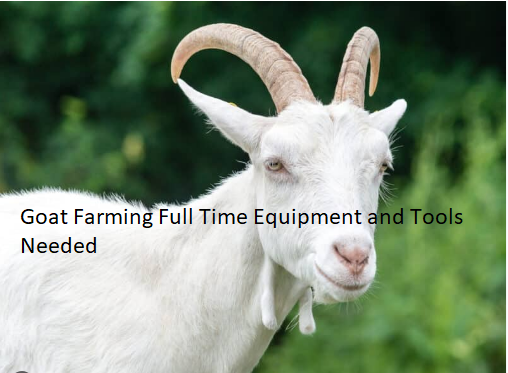
Transitioning to a professional operation requires careful planning regarding the specific goat farming full time equipment and tools needed to maintain herd health and operational efficiency. Moving from a hobbyist setup to a commercial scale means investing in infrastructure that reduces manual labor and improves animal welfare. You will need to balance high-quality hardware with budget constraints to ensure long-term sustainability.
This article explores the essential assets required for a serious agricultural venture, helping you prioritize your capital investments effectively. Understanding these requirements early prevents costly mistakes and ensures your farm remains productive throughout the changing seasons.
Essential Infrastructure for Herd Management
The core of any commercial operation is secure fencing and housing. For a full-time farm, you should prioritize high-tensile woven wire fencing at least 48 inches high.
This keeps predators out and prevents the goats from wandering into restricted areas. Electric strands can be added to the top and bottom to discourage jumping or digging.
Housing needs vary based on your climate, but every goat requires dry, draft-free shelter. A three-sided structure facing away from prevailing winds is often sufficient in mild regions.
In colder areas, you must provide fully enclosed barns with ventilation to prevent respiratory issues. Concrete floors are easier to clean and sanitize than dirt floors, which can harbor parasites.
Feeding and Watering Systems
Efficient feeding systems are critical for reducing waste and controlling costs. Hay feeders should be designed to keep forage off the ground, as goats are susceptible to internal parasites found in soil-contaminated feed.
A wall-mounted or elevated feeder design is standard for commercial operations. If you are feeding grain, use troughs that are easy to wash and disinfect.
Access to clean, fresh water is the most important factor in milk production and overall herd health. Automatic waterers or large troughs with float valves ensure the goats never run dry.
You should also invest in a high-capacity heater for winter months in regions where pipes freeze. Clean water intake correlates directly with milk yield and growth rates in meat breeds.
Health and Maintenance Toolkits
A professional farmer must be prepared to handle minor medical issues without constant reliance on a veterinarian. Your essential medical kit should include hoof trimmers, a digital thermometer, and a drenching gun for oral medications.
You will also need antiseptic sprays, wound dressings, and basic surgical tools for castrating or disbudding. Store these items in a portable, weather-resistant box that can be moved between pastures.
Hoof care is a frequent task that requires specialized equipment to keep the goats comfortable. A goat stand or “milking stanchion” is vital for restraining animals during hoof trimming, vaccinations, or routine health checks.
Without a sturdy stanchion, you will spend significantly more time and physical effort managing individual goats. Investing in a high-quality, metal-framed stanchion will save your back and reduce animal stress over time.
Equipment Comparison for Small and Large Operations
Choosing the right scale of equipment depends on your herd size and your long-term expansion goals. A small startup may manage with manual tools, but a larger herd requires mechanized solutions to maintain profitability. The following table compares common equipment needs based on herd size.
| Equipment Item | Small Operation (1-20 head) | Large Operation (50+ head) |
|---|---|---|
| Feeding System | Manual troughs | Automated dispensers |
| Watering | Hand-filled buckets | Automatic piped troughs |
| Fencing | Portable net fencing | Permanent woven wire |
| Manure Handling | Wheelbarrow and shovel | Tractor with loader |
Sanitation and Biosecurity Gear
Maintaining a clean environment prevents the spread of contagious diseases like Caseous Lymphadenitis. You need dedicated pressure washers to clean barn floors, feeders, and equipment regularly.
Stockpile reliable disinfectants that are safe for use around livestock. Establish a quarantine area equipped with separate tools to isolate new arrivals or sick animals.
Biosecurity also involves controlling who enters your farm and how they interact with the herd. Provide footbaths at the entrance of your barns to prevent the tracking of pathogens between different pastures.
Ensure all staff have dedicated boots and coveralls that stay on the farm. Taking these precautions protects your investment from expensive disease outbreaks that could shut down your business.
Pasture Management and Clearing Tools
If you are raising goats for brush control or rotational grazing, your equipment needs shift toward land maintenance. A reliable brush cutter or heavy-duty mower is necessary to keep pastures productive.
You will also need a soil testing kit to monitor fertility and ensure your forage is providing the necessary nutrients. Proper soil management reduces the need for expensive supplements.
Rotational grazing requires the use of portable fencing to keep goats on fresh grass. High-quality poly-wire and portable posts allow you to move the herd quickly and efficiently.
A solar-powered fence charger is an excellent investment for remote pastures that lack grid electricity. You can find detailed information on sustainable grazing practices through the USDA Natural Resources Conservation Service.
Record-Keeping and Administrative Tools
Professional farming requires precise data on breeding, health, and production. You should maintain a digital record-keeping system to track kidding dates, medication withdrawals, and feed costs.
Simple spreadsheet software works for smaller herds, but you might need dedicated livestock management apps as you scale. Recording these details is essential for identifying your most profitable animals.
Tagging tools and record books are the foundation of your data collection. Every goat should be identified with a unique ear tag or tattoo to make medical tracking easier.
Keep a logbook in your barn for immediate entries, then transfer that data to your master file weekly. Tracking expenses against revenue is the only way to determine if your operation is truly profitable.
Commonly Used Farm Equipment Items
Beyond the heavy infrastructure, several smaller tools are indispensable for daily operations. A well-stocked tool belt or storage shed will keep your workflow smooth and prevent unnecessary trips to the hardware store. Here is a list of essential items every full-time goat farmer should keep on hand:
- Heavy-duty hoof shears for routine maintenance.
- A stethoscope for monitoring heart and rumen sounds.
- A reliable scale for measuring kid weight and feed rations.
- Heavy-gauge extension cords for heat lamps or equipment.
- A basic mechanic’s tool set for fence and equipment repair.
- Spray paint or marking sticks for identifying specific animals.
- A high-quality pair of leather gloves for handling wire and rough materials.
Frequently Asked Questions
How many acres do I need to start a full-time goat farm?
The number of acres depends on your forage quality and climate. Generally, you can support 6 to 10 goats per acre of high-quality pasture. For a full-time commercial operation, most farmers start with at least 10 to 20 acres to allow for rotational grazing and hay production.
What is the most important piece of equipment for a beginner?
A sturdy, well-built stanchion is the most critical tool. It allows you to safely restrain goats for grooming, medical treatments, and milking. Without it, performing essential health tasks becomes a difficult and dangerous process for both you and the animal.
Do I need a tractor for a small goat farm?
You may not need a full-sized tractor if you have fewer than 20 goats. A heavy-duty garden cart or a small utility vehicle is often sufficient for moving feed and manure. However, as you scale up, a tractor with a front-end loader becomes essential for moving large round bales and clearing waste.
How often should I clean my goat housing?
Bedding should be kept dry at all times to prevent respiratory issues and hoof rot. In a barn, you should deep clean and replace bedding at least once a month, depending on the stocking density. If you use a “deep litter” method, monitor the moisture levels daily and add fresh, dry straw as needed.
Conclusion
Establishing a successful venture requires careful consideration of the goat farming full time equipment and tools needed to maintain a professional standard. By investing in high-quality infrastructure, reliable feeding systems, and proper health management tools, you set your herd up for long-term health and productivity. Remember that your equipment strategy should grow alongside your herd size to ensure you remain efficient and profitable.
Start by securing your perimeter and establishing a clean, functional environment for your animals. As you gain experience, you will naturally identify which tools provide the best return on investment for your specific operation. Take the time to research each purchase, maintain your gear regularly, and always prioritize the welfare of your animals to sustain your growth in the agricultural sector.
