

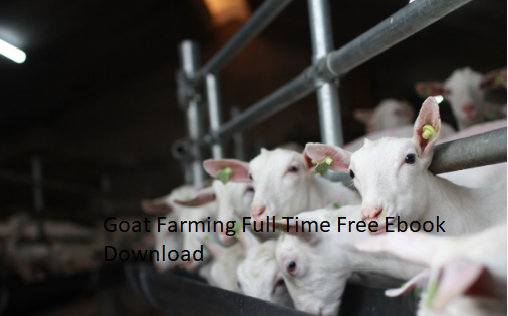
Finding a reliable goat farming full time free ebook download can be the first step toward launching a sustainable agricultural business. Many aspiring farmers search for these digital resources to avoid the high costs of commercial consultancy or formal agricultural training programs.
This article provides the foundational knowledge required to transition from a hobbyist to a professional goat producer, covering herd management, financial planning, and infrastructure requirements. By focusing on evidence-based practices, you can build a resilient operation that generates consistent revenue while maintaining high standards of animal welfare.
Professional goat farming requires a shift in mindset from casual livestock keeping to structured asset management. When you commit to this as a full-time career, you are no longer just raising animals; you are managing a biological manufacturing unit.
The primary goal is to optimize the output of meat, milk, or fiber while minimizing overhead costs and mortality rates. Achieving this requires a deep understanding of nutritional requirements, breeding cycles, and market demand for goat products in your specific region.
Understanding the Economics of Goat Production
The financial reality of full-time goat farming is often misunderstood by beginners who underestimate the impact of feed costs and veterinary expenses. To build a profitable enterprise, you must treat your operation as a business entity with clear profit and loss statements.
Most successful farms operate on a margin that relies heavily on the efficiency of the breeding cycle. A single doe producing one kid per year is rarely profitable, whereas a high-performing herd with a 1.8 to 2.0 kidding rate offers a much stronger return on investment.
Fixed costs, such as fencing, shelter construction, and initial breeding stock purchases, represent a significant barrier to entry. Variable costs, which include supplemental feed, vaccinations, dewormers, and marketing, will fluctuate based on your management style.
For instance, intensive grazing systems reduce feed bills but increase labor demands for fence management and rotational grazing. You should aim to keep your variable costs below 60% of your total revenue to ensure the business remains solvent during market downturns.
Essential Infrastructure for Commercial Herds
Your infrastructure needs will vary depending on your climate and the scale of your operation. A well-designed barn must provide adequate ventilation and dry bedding, as goats are highly susceptible to respiratory issues in humid, poorly ventilated environments.
You will also need a secure handling facility, such as a headgate or a sorting chute, to perform routine tasks like hoof trimming and medical treatments. Without these tools, simple health checks become dangerous and time-consuming ordeals that can lead to animal stress and injury.
Fencing is arguably the most critical infrastructure investment for any goat farmer. Goats are notorious for their ability to escape through small gaps or climb over weak barriers.
A standard woven-wire fence with a height of at least 48 inches is recommended for containment and predator control. If you intend to use electric fencing, ensure it is properly grounded and that the voltage is consistently maintained to deter both livestock escapes and coyotes.
Nutritional Management and Forage Strategy
Goats are browsers, not grazers, meaning they prefer shrubs, woody plants, and weeds over simple pasture grasses. This dietary preference allows them to clean up brushy areas that sheep or cattle might ignore.
However, relying solely on browse is rarely sufficient for high-production dairy goats or rapidly growing meat kids. You must provide a balanced ration that includes high-quality hay, minerals, and, in some cases, grain during peak lactation or growth phases.
Water quality is a frequently overlooked aspect of goat nutrition that directly influences performance. Goats require clean, fresh water at all times, and they are notoriously picky about drinking from dirty troughs.
If the water supply is contaminated, intake will drop, leading to decreased milk production and slower weight gain. Consider installing automatic waterers with a filtration system to ensure your herd stays hydrated and healthy throughout the year.
Breeding Cycles and Herd Improvement
Successful full-time operations prioritize genetic selection to improve herd performance over time. Keeping records of birth dates, growth rates, and health history is essential for making informed culling decisions.
If a doe consistently produces weak kids or has poor mothering instincts, she should be removed from the breeding pool. By selecting for traits like parasite resistance and twinning frequency, you can drastically reduce your labor and medical costs over a five-year period.
The breeding season is typically triggered by the shortening of daylight hours in autumn, though some breeds can be bred year-round. Using a buck rotation system helps prevent inbreeding and maintains genetic diversity within your herd.
You might consider purchasing high-quality bucks from reputable breeders, as the male contributes half the genetics of your entire lamb or kid crop. Investing in a superior sire is often the fastest way to see improvements in the marketability of your offspring.
Health Protocols and Disease Prevention
Maintaining a healthy herd is the cornerstone of profitability, as sick goats represent a direct loss of capital and productivity. Implementing a strict biosecurity protocol is the best defense against infectious diseases like Caseous Lymphadenitis (CL) or Caprine Arthritis Encephalitis (CAE).
Always quarantine new additions for at least 30 days before introducing them to your established herd. This simple step can prevent the introduction of pathogens that could devastate your entire investment.
Parasite management is a constant challenge for goat farmers, particularly in wet or warm climates. Using the FAMACHA scoring system to monitor anemia levels helps you target deworming treatments only to animals that truly need them.
This practice slows the development of drug-resistant parasites, which is a major concern in the global goat industry. For more detailed information on veterinary standards, visit the USDA Animal and Plant Health Inspection Service website for official guidelines on livestock diseases.
Comparison of Goat Farming Systems
Selecting the right production model depends on your land availability, local market demand, and your personal experience level. The following table highlights the differences between common production systems:
| System Type | Primary Output | Capital Intensity | Labor Requirement |
|---|---|---|---|
| Extensive Grazing | Meat | Low | Moderate |
| Intensive Dairy | Milk/Cheese | High | Very High |
| Zero Grazing | Meat/Milk | Moderate | High |
| Seedstock/Breeding | Registered Animals | High | High |
Marketing Your Goat Products
Even the best-managed herd will struggle if you do not have a reliable market for your output. Many farmers fail because they rely solely on local auction barns, where prices are often volatile and set by buyers rather than the producer.
Direct-to-consumer sales, such as selling meat shares or raw milk (where legal), often yield significantly higher profit margins. Building a brand based on transparency and animal welfare can create a loyal customer base that is willing to pay a premium for your product.
Diversification can also help stabilize your income throughout the year. For example, a goat dairy operation might produce cheese or yogurt to add value to their raw milk, while meat producers might sell goat hides or fertilizer.
Consider participating in local farmers’ markets or establishing a presence on social media to reach customers directly. Networking with other local producers can also lead to cooperative marketing opportunities, such as shared shipping or processing logistics.
Frequently Asked Questions
Is it possible to start a full-time goat farm with very little capital?
Starting with limited capital is possible but requires a much slower growth phase. You should focus on purchasing a few high-quality foundation does and breeding your way up to a larger herd. Avoid expensive equipment in the beginning and prioritize spending on high-quality fencing and nutrition.
How many goats do I need to support a family full-time?
The number of goats required to generate a full-time income depends entirely on your production system and market prices. A dairy operation might need 50 to 100 milking does to generate a full-time income, whereas a meat operation might require 200 to 300 head. You must calculate your cost of production per animal to determine your specific target.
What is the most common cause of failure for new goat farmers?
Underestimating the cost of feed and veterinary care is the most common cause of failure. Many new farmers also fail to account for the labor required for daily health checks and fence maintenance. Proper planning and a realistic financial budget are essential to surviving the first few years of operation.
Should I focus on registered or commercial goats?
Registered goats offer the potential for higher income through breeding stock sales, but they come with more paperwork and higher initial costs. Commercial goats are more focused on meat or milk production and are generally easier for beginners to manage. Start with commercial animals to learn the ropes before investing in registered genetics.
What are the legal requirements for selling goat products?
Regulations vary significantly by location, especially regarding the sale of raw milk or processed meat. You must contact your local agricultural extension office or health department to understand the specific permits required for your area. Operating without the proper licenses can result in heavy fines and the forced closure of your business.
Key Steps for Success
To transition into a professional operation, you should follow a structured development plan that minimizes risk. The following list outlines the critical milestones for any serious producer:
- Conduct a comprehensive soil and forage analysis to determine the carrying capacity of your land.
- Draft a detailed business plan including projected cash flow for the next three years.
- Secure reliable sources for high-quality feed and veterinary supplies before acquiring your herd.
- Establish a robust record-keeping system for breeding, health, and financial data.
- Develop a marketing strategy that focuses on direct-to-consumer sales to capture higher margins.
- Implement a strict vaccination and deworming schedule to maintain herd health.
- Network with established local producers to learn regional best practices and market nuances.
Building a sustainable business in this sector requires patience and a commitment to continuous learning. By utilizing a high-quality goat farming full time free ebook download as a reference, you can avoid common pitfalls that derail many newcomers.
Focus on mastering your local forage conditions and building a consistent, healthy herd before attempting to scale your operations too quickly. With rigorous financial management and a focus on animal health, you can build a productive, long-term career in agriculture that supports your goals and contributes to your local economy.
