

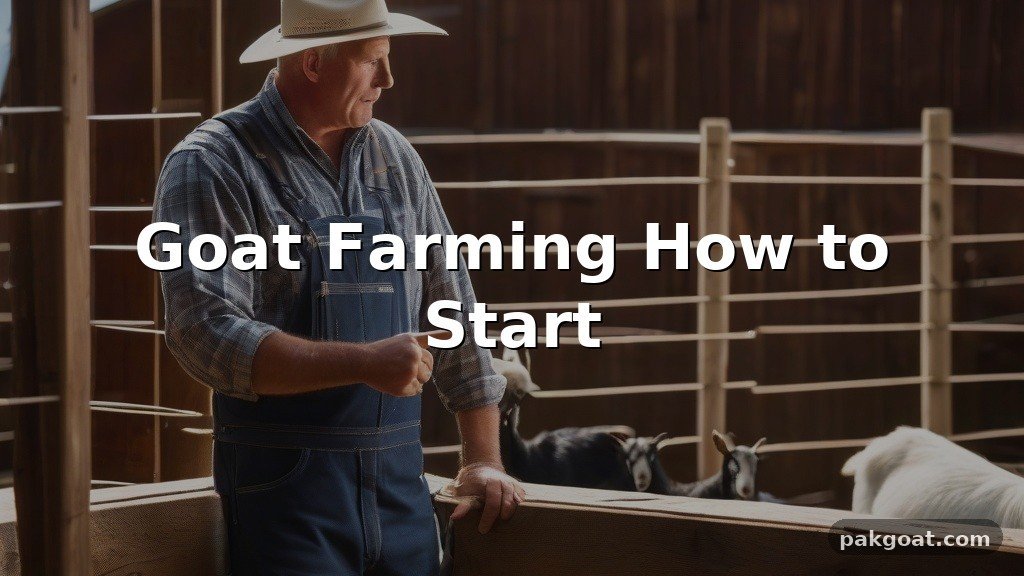
Understanding goat farming how to start requires balancing initial infrastructure costs with your specific production goals. Whether you want to produce milk, meat, or fiber, success depends on meticulous planning and a firm grasp of animal husbandry. Most beginners find that starting small with a manageable herd allows them to learn the nuances of behavior and health without overextending their finances.
This article provides the essential steps to launch your operation, covering everything from land requirements to the daily needs of your livestock. You will gain a clear perspective on the financial realities and operational demands involved in building a sustainable and productive goat farm.
Initial Costs and Setup Requirements
If you are wondering about goat farming how to start from a financial perspective, you should prepare for an initial investment ranging from $2,000 to $5,000 for a small starter herd and basic fencing. These costs fluctuate significantly based on your location, the breed you select, and whether you are building new structures or retrofitting existing barns.
You must prioritize high-quality fencing, as goats are notorious for testing boundaries and escaping enclosures. Investing in woven wire or electric netting prevents costly losses and keeps your animals safe from predators.
Essential Infrastructure Assets
- Sturdy, predator-proof fencing (woven wire is generally preferred).
- A dry, draft-free shelter with adequate ventilation for the herd.
- Clean water troughs and dedicated hay feeders to reduce waste.
- A separate kidding pen for isolating nursing mothers and newborns.
- Basic medical supplies, including dewormers, hoof trimmers, and a thermometer.
Land and Space Management
The amount of land you need depends entirely on your stocking density and the quality of your forage. A common rule of thumb is that you can keep 6 to 8 goats per acre on well-managed pasture.
If you intend to supplement their diet with hay, you can increase this density, but you must be careful to avoid overgrazing, which invites parasites. Effective land management requires rotating your herd between smaller paddocks to ensure grass has time to recover.
Land Requirements by Herd Size
| Herd Size | Minimum Acreage (Managed) | Primary Feed Source |
|---|---|---|
| 10 Goats | 1.5 Acres | Pasture + Hay |
| 50 Goats | 7 Acres | Rotational Grazing |
| 100 Goats | 12-15 Acres | Intensive Pasture Management |
Choosing Your Breed
Selecting the right animals is critical to your business plan. If your goal is milk production, look into Nubian or Alpine dairy goats, which are known for high yields and butterfat content. For meat production, many farmers prefer Boer goats due to their rapid growth rates and muscular build.
Always purchase goats from breeders who provide health records and can verify the vaccination status of the animals. Never buy from an auction house for your foundation stock, as you risk bringing disease into your herd.
Daily Herd Maintenance
Goats require daily attention to ensure their long-term health and productivity. You must provide clean water at all times, as a goat that doesn’t drink enough water is prone to urinary calculi.
Your daily routine should include checking the herd for signs of illness, such as lethargy, coughing, or a dull coat. During winter months, high-quality hay becomes the primary nutritional pillar, so securing a reliable supplier before the season starts is a vital task.
Frequently Asked Questions
How much does it cost to start a goat farm?
Initial costs vary, but you should budget at least $3,000 for a small, five-goat operation. This includes the cost of the animals, fencing, shelter materials, and initial feed supplies.
Is owning a goat farm profitable?
Profitability is possible but depends on your ability to find local markets for your products. Many farmers increase their margins by selling value-added products like goat cheese, soap, or registered breeding stock.
How many acres do I need for 100 goats?
For 100 goats, you should aim for at least 12 to 15 acres of well-managed pasture. This allows for proper rotation and reduces the need for expensive supplemental feed.
What do goats eat besides grass?
Goats are browsers, not grazers, meaning they prefer shrubs, weeds, and tree leaves over standard grass. You must supplement their diet with high-quality hay in the winter and provide a balanced mineral mix year-round.
Final Steps to Launch
Mastering the fundamentals of goat farming how to start involves moving from the planning phase to hands-on management. Begin by visiting local farms to observe their setup and ask questions about the specific challenges in your region. You should also check local zoning laws to ensure you are legally permitted to keep livestock on your property.
Once your infrastructure is ready and your land is prepared, start with a small, healthy herd to minimize your risk. By focusing on animal health and efficient resource use, you can build a productive enterprise that meets your agricultural goals. Consistent learning and adaptation remain the most important parts of your journey as a new goat farmer.
