

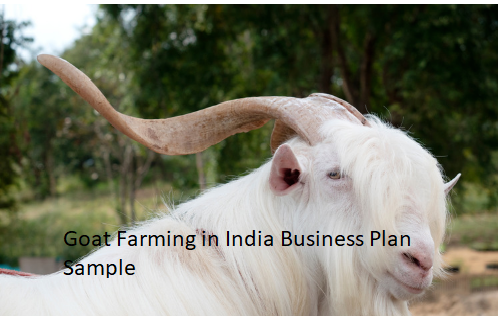
Developing a comprehensive goat farming in india business plan sample requires balancing capital investment with operational efficiency. Many new entrepreneurs overlook the importance of breed selection and local market demand when drafting their financial projections. This article explains how to structure your farm for long-term viability, providing a realistic look at costs, land requirements, and revenue streams.
By understanding the specific needs of Indian livestock markets, you can build a model that turns a small-scale operation into a profitable enterprise. You will learn how to organize your budget, manage your herd size, and forecast your returns effectively.
Understanding Initial Setup Costs
The financial reality of starting a goat farm depends heavily on the scale of your operation. For a small-to-medium unit of 50 goats, you can expect an initial investment ranging from ₹3 lakh to ₹6 lakh, depending on the breed and infrastructure quality. This budget covers the construction of a shed, purchase of breeding stock, initial feed supplies, and veterinary costs.
You must allocate roughly 40% of your capital to the purchase of healthy, disease-free animals. Infrastructure, such as raised platform sheds and fencing, will likely consume another 30% of your available funds.
Operating expenses are the second major pillar of your financial planning. You need to factor in the cost of green fodder, dry fodder, and concentrate feed, which can account for 60% to 70% of your recurring annual expenses. Labor costs vary significantly by region, but one skilled worker can typically manage a herd of up to 100 goats.
Always maintain a contingency fund of at least 15% of your total setup cost to handle medical emergencies or unexpected price fluctuations in feed. Tracking these expenses in a spreadsheet provides the foundation for any professional goat farming in india business plan sample.
Land Requirements and Herd Density
Land allocation is often misunderstood by beginners who assume that more space is always better. For intensive or semi-intensive farming, you do not need vast tracts of grazing land. A shed space of 10 to 12 square feet per adult goat is the standard recommendation to ensure animal welfare and hygiene.
If you plan to keep 100 goats, you need approximately 1,200 square feet for the shelter alone. This compact design reduces the energy expenditure of the animals, allowing them to gain weight faster.
When considering larger operations, such as 1,000 goats, you must plan for both housing and fodder cultivation. While you can house 1,000 goats in a facility covering roughly 12,000 to 15,000 square feet, you will need additional land for growing high-yield crops like Lucerne or Napier grass.
A rule of thumb is to have at least 1 acre of irrigated land for every 50 to 80 goats to ensure a steady supply of green fodder. Integrating fodder production into your business plan significantly lowers your dependency on expensive store-bought concentrates.
Profitability and Market Dynamics
Goat farming remains one of the most profitable livestock ventures in India due to the high demand for chevon, or goat meat. The market is largely unorganized, which allows small farmers to sell directly to local butchers or wholesalers at competitive rates.
Profit margins typically range from 20% to 35% annually, assuming efficient management and low mortality rates. The key to profitability lies in the turnaround time, as goats reach market weight within 9 to 12 months.
Seasonality plays a critical role in your revenue cycle, especially around major festivals like Eid-ul-Adha. Prices for live animals can spike by 30% to 50% during these periods, making it essential to time your breeding cycles accordingly. You should also explore secondary revenue streams, such as the sale of manure, which is highly valued as organic fertilizer.
Selling buck kids for meat and retaining does for herd expansion creates a sustainable circular economy. A well-structured goat farming in india business plan sample includes a clear timeline for these sales cycles to ensure cash flow remains positive throughout the year.
Essential Infrastructure and Equipment
Modern goat farming requires more than just a roof and a fence; it demands a sanitary environment designed to prevent disease outbreaks. Raised platforms made of bamboo or wooden slats are standard because they allow waste to fall through, keeping the animal’s feet dry.
You should also install dedicated feeding troughs and watering stations that prevent contamination. Proper ventilation is vital, as poor air circulation can lead to respiratory illnesses in dense herds.
Your facility needs a quarantine area to isolate new or sick animals before they integrate with the main group. This small, separate enclosure acts as a crucial barrier against the spread of contagious diseases like Peste des Petits Ruminants. Invest in basic diagnostic tools, such as a high-quality thermometer and a weighing scale, to monitor health trends daily.
For further information on animal health protocols, you can consult the Department of Animal Husbandry and Dairying for official guidelines on vaccination schedules. Maintaining a clean, organized facility is the most effective way to minimize veterinary costs and maximize your output.
Operational Milestones and Growth
Success in this business is measured by specific, achievable milestones that signal when to scale up. In the first six months, your primary focus should be establishing the shed, sourcing high-quality foundation stock, and building a local feed supply chain.
Once the initial herd has successfully birthed their first round of kids, you can evaluate your mortality rates and feed conversion ratios. If your mortality rate remains below 5%, you are ready to consider expanding your breeding population.
The second year is usually when you transition from a startup phase to a revenue-generating model. You should aim to achieve a kidding percentage of at least 150% annually, which means one doe produces 1.5 kids on average. Tracking these metrics helps you identify which animals are underperforming so you can cull them and replace them with more productive stock.
Scaling your business effectively requires a systematic approach to record-keeping. Every goat should have a tag or identifier, and you should log their health history, weight gain, and reproductive performance regularly.
Financial Comparison of Herd Sizes
The following table provides a rough estimate of the capital investment and land requirements for different herd sizes. These figures are based on standard semi-intensive farming practices in India.
| Herd Size (Adults) | Estimated Investment (₹) | Shed Area Needed (sq. ft.) | Fodder Land Requirement |
|---|---|---|---|
| 20 Goats | 1.5 – 2.5 Lakh | 250 | 0.25 Acre |
| 50 Goats | 3.0 – 6.0 Lakh | 600 | 0.75 Acre |
| 100 Goats | 7.0 – 12.0 Lakh | 1,200 | 1.5 Acres |
| 500 Goats | 35.0 – 50.0 Lakh | 6,000 | 7.0 Acres |
Common Pitfalls and Risk Management
The most common failure point for new farmers is the lack of a robust health management program. Many beginners purchase goats from multiple sources, which often introduces diseases into the flock.
Always source your initial stock from a single, reputable farm to ensure that the animals share a similar immunity profile. You should also consult with a local veterinarian to create a vaccination calendar that addresses common regional threats.
Another major risk is the over-reliance on store-bought feed, which can wipe out your profit margin during periods of rising commodity prices. Growing your own fodder is the best insurance policy against market volatility. Furthermore, do not underestimate the importance of marketing your output.
Instead of waiting for middle-men to visit your farm, establish relationships with local restaurants and meat retailers early. Having a pre-arranged buyer for your cull animals or male kids ensures you don’t face a liquidity crunch when your herd size grows beyond your storage capacity.
Selecting the Right Breed
Breed selection must align with your local climate and the specific market demand in your area. Breeds like the Jamunapari are excellent for milk and meat production but require specialized care and higher nutritional intake.
Conversely, local breeds like the Black Bengal are known for their hardiness, high fertility, and ability to thrive on minimal input. If your primary goal is rapid meat production, consider breeds like the Sirohi or Barbari, which adapt well to various Indian climates.
You should never choose a breed based solely on popularity; choose it based on its ability to survive and gain weight in your specific geography. A breed that thrives in the humid climate of West Bengal might struggle in the arid conditions of Rajasthan.
Visit local government-run breeding farms to observe how different breeds perform under local conditions before making a final decision. Investing in high-quality, registered breeding bucks will improve the genetics of your herd over several generations, leading to faster growth rates and better disease resistance.
Frequently Asked Questions
Is it possible to start a goat farm with very little land?
Yes, you can practice intensive farming by using a zero-grazing model. This approach keeps goats entirely in a shed and brings fodder to them, requiring only enough space for the housing structure.
What is the most effective way to prevent disease in a new herd?
The most effective method is to quarantine all new arrivals for at least 21 days before introducing them to the main group. Regularly cleaning the shed, ensuring proper drainage, and following a strict vaccination schedule are also essential.
How do I find a reliable market for my goats?
Start by visiting local livestock markets to understand current pricing and meet traders. You can also build direct relationships with local meat shops and hotels by providing consistent, high-quality animals throughout the year.
Can I get a bank loan for a goat farming business?
Yes, many banks in India offer loans for livestock development under schemes supported by NABARD. You will need a detailed project report and a proper business plan to qualify for these financing options.
How many people are needed to manage a 100-goat farm?
Generally, one full-time worker can manage 100 goats if the farm is set up efficiently with proper feeding and cleaning systems. If you are also growing your own fodder, you may need additional seasonal labor for harvesting and processing.
Conclusion
Starting a profitable enterprise in this sector requires careful planning and a commitment to animal health. A well-researched goat farming in india business plan sample serves as your roadmap, helping you avoid common financial traps while focusing on sustainable growth. By prioritizing high-quality breeding stock, growing your own fodder, and maintaining a strict health calendar, you can build a resilient business that thrives in the Indian market.
Success won’t happen overnight, but consistent management of your herd and your finances will lead to steady returns. Take the time to visit successful farms in your region, talk to experienced breeders, and refine your approach based on local conditions. Your journey into livestock farming starts with a single, well-planned step.
