

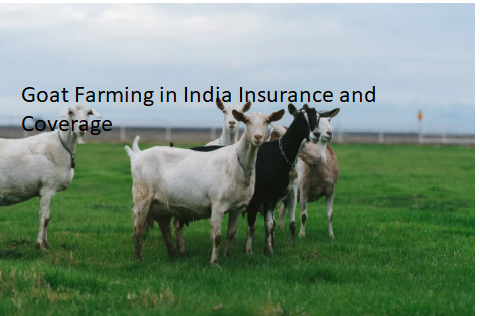
Understanding the nuances of goat farming in India insurance and coverage is essential for any smallholder or commercial producer looking to mitigate financial risks. Livestock mortality due to disease, accidents, or natural calamities can devastate a business model overnight.
By securing the right policy, farmers protect their capital investment and ensure the long-term sustainability of their herds. This article explains how these policies function, the costs involved, and the steps required to file a successful claim.
The primary mechanism for protecting your herd is the Livestock Insurance Scheme, which is currently facilitated under the umbrella of the Pashudhan Bima Yojana. Most public sector insurers, including companies like New India Assurance and Oriental Insurance, offer coverage that typically compensates for the death of the animal due to accidents, diseases, or surgical operations.
Premiums for these policies are generally set at 3% to 4% of the animal’s market value per year, though government subsidies can significantly reduce this burden for small and marginal farmers. To qualify for coverage, the animal must be tagged with a unique identification number—usually a plastic ear tag—to prevent fraudulent claims and ensure accurate tracking.
Understanding the Scope of Coverage
Most policies cover death caused by specific infectious diseases, accidents, or natural disasters like floods and lightning. It is important to note that death due to intentional slaughter, theft, or neglect is almost universally excluded from standard coverage.
You must provide a post-mortem report signed by a qualified veterinarian to initiate any claim process. Without this documentation, the insurance company will almost certainly reject your request for compensation.
The Role of Government Subsidies
The Indian government actively encourages livestock protection through various state and central schemes. In many regions, the subsidy covers up to 50% of the insurance premium for farmers belonging to scheduled castes or tribes.
This makes the total cost of insuring a herd much more manageable for those operating on thin margins. You should contact your local District Animal Husbandry Office to determine if your specific district has an active subsidy program for the current fiscal year.
Key Factors Influencing Premium Costs
Several variables dictate the final price you pay for your insurance policy. The age and breed of the goats are primary factors, as higher-value animals command higher premiums due to the increased financial risk.
Additionally, the geography of your farm plays a significant role in risk assessment. Farms located in areas prone to specific regional diseases or extreme weather conditions may face higher premiums than those in more stable climates.
| Factor | Impact on Premium |
|---|---|
| Animal Breed | High-yield or exotic breeds cost more to insure |
| Location | Flood-prone or disease-heavy zones increase rates |
| Age of Goat | Younger, high-value breeding stock is more expensive |
| Herd Size | Group policies often receive volume discounts |
Steps to Filing a Claim
When an insured animal dies, time is of the essence for a successful recovery. You must notify the insurance company and the local veterinary surgeon within 24 to 48 hours of the incident.
Delaying this notification often results in the automatic rejection of the claim, as the authorities cannot verify the cause of death after the carcass has begun to decompose. Ensure that the unique tag is recovered from the animal’s ear, as this is the primary proof of identity required by the insurer.
Documentation Requirements
Documentation is the backbone of any insurance claim in the livestock sector. You will need to maintain a file that includes the original insurance policy, the purchase receipt of the animal, and the veterinarian’s death certificate.
It is also helpful to keep photographs of the animal with its ear tag clearly visible, taken while the animal was still alive. Providing these documents promptly to your insurance agent will significantly speed up the processing time for your settlement.
Benefits of Group Insurance Policies
Many farmers find that individual policies are administratively burdensome and expensive. Joining a cooperative or a Farmer Producer Organization (FPO) can provide access to group insurance rates, which are often lower than individual premiums.
These organizations handle the paperwork and coordination with the insurance companies on behalf of their members. This collective approach is particularly effective for small-scale operations that lack the time to manage individual policies for every goat in their herd.
Common Pitfalls to Avoid
Many farmers fail to secure their investment because they do not understand the specific clauses of their policy. One frequent mistake is failing to update the animal’s value as it matures and gains weight, leading to under-insurance.
Another common issue is the failure to maintain a consistent health record, which insurers may request to prove that the animal was not ill before it was insured. You can find more detailed guidelines on livestock management and safety protocols through the Department of Animal Husbandry and Dairying.
Managing Herd Health to Reduce Risk
Insurance should be viewed as a safety net, not a substitute for proper animal husbandry. A healthy, well-vaccinated herd is less likely to suffer from the diseases that trigger insurance claims in the first place.
Following a strict vaccination schedule for Peste des Petites Ruminants (PPR) and Enterotoxaemia will reduce your overall risk profile. Many insurance companies may even offer lower premiums to farmers who can demonstrate a consistent track record of professional veterinary oversight and vaccination compliance.
Frequently Asked Questions
Is it mandatory to have insurance for a goat farming business?
While not legally mandatory for every smallholder, it is a prerequisite for obtaining bank loans for livestock projects. Most financial institutions in India will not disburse funds for goat farming unless the assets are properly insured against loss.
How is the value of the goat determined for insurance?
The market value is typically assessed based on the animal’s age, weight, and breed at the time of purchase. You should keep all purchase invoices and weight records to substantiate the valuation if a claim is filed later.
What happens if the ear tag falls off?
You must report the loss of the tag to the insurance company immediately to have it replaced. If an animal dies without an ear tag, the insurance company will likely deny the claim, as they cannot verify that the deceased animal is the one listed in the policy.
Can I insure a goat that is already sick?
Standard insurance policies do not cover animals that are currently suffering from a chronic illness. Insurers usually require a health certificate from a government veterinarian confirming that the animal is in good health at the time the policy is issued.
How long does it take to receive the claim amount?
If all documentation is in order, the claim settlement process typically takes between 30 to 90 days. Factors such as the completeness of the post-mortem report and the responsiveness of the local veterinary office can influence this timeline.
The Future of Livestock Insurance in India
As the goat farming sector continues to professionalize in India, insurance products are becoming more tailored to the needs of modern farmers. We are seeing a shift toward digital-first insurance platforms where premiums can be paid via mobile apps and claims can be tracked in real-time.
This modernization reduces the administrative friction that has historically kept small farmers away from the insurance market. As more data is collected on livestock health and mortality trends, we expect to see more competitive pricing and flexible coverage options emerging in the coming years.
Investing time into understanding the intricacies of goat farming in India insurance and coverage is a hallmark of a serious, long-term producer. By balancing proactive health management with a strong insurance safety net, you minimize the volatility inherent in livestock agriculture. Ensure that you consult with multiple providers to compare not just the premium costs, but the quality of service and the ease of the claims process.
Protecting your livelihood is a foundational step toward building a profitable and resilient business. When you are ready to expand your operation, start by securing your current assets through a verified and reliable insurance partner.
