

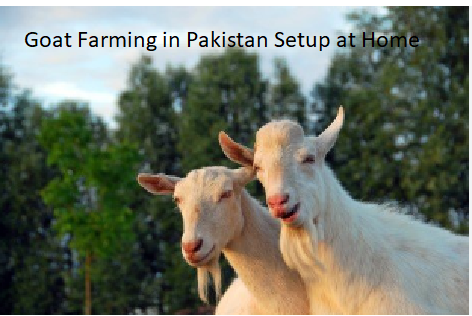
Starting a goat farming in Pakistan setup at home is an achievable venture for many households looking to supplement their income or secure a reliable food source. By utilizing small backyard spaces or rooftops in urban settings, families can manage a modest herd that provides milk, meat, and consistent manure for gardening. This article explores the essential requirements, infrastructure needs, and management strategies necessary to build a sustainable small-scale operation.
You will gain insights into breed selection, feed management, and the financial realities of maintaining healthy livestock within a residential environment.
Initial Investment and Cost Breakdown
Setting up a small-scale goat farm requires a clear understanding of the initial capital outlay. For a beginner starting with five to ten goats, the primary costs include purchasing the animals, constructing a basic shed, and securing an initial supply of feed and medical supplies.
In Pakistan, the cost of a healthy local breed goat, such as the Beetal or Teddy, typically ranges between 15,000 to 35,000 PKR depending on the age and weight of the animal. A sturdy, well-ventilated wooden or brick shed for ten goats can be constructed for approximately 40,000 to 70,000 PKR if you utilize locally sourced materials and labor.
Beyond the initial infrastructure, you must factor in recurring monthly expenses for fodder, vaccines, and potential veterinary visits. A single goat consumes roughly 2 to 3 kilograms of dry fodder and green grass daily, which can cost between 3,000 and 5,000 PKR per month per animal depending on regional availability. It is crucial to maintain an emergency fund of at least 10,000 PKR to cover sudden medical needs or specialized supplements.
By keeping the setup modest, you avoid the heavy overheads associated with commercial-scale farming while learning the nuances of goat behavior.
Essential Infrastructure Requirements
Your home setup needs to prioritize animal welfare, hygiene, and ease of management. A goat shed should provide at least 10 to 12 square feet of floor space per adult goat to prevent overcrowding and stress.
Ensure the floor is slightly elevated or sloped to allow for proper drainage, as damp conditions are a leading cause of hoof rot and respiratory illnesses in goats. The structure should be well-ventilated, yet shielded from direct drafts during the winter months, and it must have a roof that prevents heat accumulation during the intense Pakistani summer.
Security is another vital component of your infrastructure. Goats are susceptible to predators, especially in semi-urban areas where stray dogs are common, so your enclosure must be fenced with sturdy wire mesh or solid walls at least 5 to 6 feet high. You should also include a dedicated area for storing feed that remains dry and free from pests.
Installing a small water trough that is cleaned daily and providing a raised platform for sleeping can significantly improve the health and productivity of your herd.
Selecting the Right Breeds
The success of your home-based project depends heavily on choosing breeds that are well-adapted to the local climate. The Teddy goat is a popular choice for small-scale setups because of its small size, high fertility, and ability to thrive on minimal feed.
They are remarkably hardy and can adapt to various environmental conditions, making them ideal for beginners who may not have access to high-end climate control systems. Another excellent option is the Beetal goat, which is prized for its high milk production and larger body frame, though it requires slightly more intensive care and high-quality nutrition.
When selecting your foundation stock, prioritize health over appearance. Look for animals with bright eyes, clear nasal passages, and a shiny coat, and avoid any that appear lethargic or have signs of diarrhea. It is highly recommended to buy from reputable livestock markets or local breeders rather than anonymous sellers to ensure you are getting vaccinated animals.
You can find detailed information on livestock health and management by consulting the Pakistan Agricultural Research Council for official guidelines on regional breed suitability.
Feed and Nutrition Management
Nutrition is the most significant factor in the growth and health of your goats. A balanced diet consists of a mix of green fodder, dry hay, and a small amount of concentrate feed to ensure proper nutrient intake.
You should aim to feed your goats twice daily, providing fresh green fodder like alfalfa or maize in the morning and dry hay or wheat straw in the evening. Concentrates, which typically include a mixture of crushed grains, oil cakes, and bran, should be given in measured amounts to boost milk yield or weight gain.
Water is equally important, as goats are sensitive to hydration levels. Always ensure that clean, fresh water is available at all times, as a goat that does not drink enough will quickly lose its appetite and become susceptible to illness. You can also incorporate kitchen scraps like vegetable peels or fruit trimmings into their diet, provided these are fresh and not contaminated.
Avoid feeding them moldy hay or toxic plants, which can cause severe digestive distress and lead to costly veterinary interventions.
Health and Disease Prevention
Maintaining a strict vaccination schedule is the cornerstone of a successful goat farming in Pakistan setup at home. The most common diseases, such as Peste des Petits Ruminants (PPR) and enterotoxemia, can be devastating to a small herd if not managed through timely injections.
Consult a local veterinarian to create a calendar for routine deworming and vaccination, which usually happens every six months. Regular observation of your goats’ behavior—such as their activity levels, eating habits, and stool consistency—allows you to catch potential health issues before they become life-threatening.
Hygiene inside the shed is your first line of defense against parasites and bacterial infections. Remove manure daily to prevent the buildup of ammonia and the breeding of flies, which can spread diseases throughout your home area. Use a mild disinfectant or lime powder on the floor periodically to keep the environment sanitary.
If you notice any goat isolating itself from the herd, refusing food, or displaying labored breathing, isolate it immediately and seek professional advice to prevent the spread of infection.
Managing Waste and Sustainability
One of the distinct advantages of small-scale goat keeping is the production of high-quality organic fertilizer. Goat manure is rich in nitrogen, phosphorus, and potassium, making it an excellent soil amendment for home gardens or small-scale vegetable cultivation.
By collecting and composting the waste from your shed, you can reduce your reliance on chemical fertilizers and create a closed-loop system that benefits your entire household. This circular approach helps offset the cost of feed, as you can use the fertilizer to grow some of your own green fodder in pots or small patches of land.
Managing the smell is a common concern for home-based farming. If you maintain a dry, clean shed and remove wet bedding material promptly, the odor will remain minimal and manageable. Consider placing the shed in a well-ventilated corner of your property away from your primary living area.
Using absorbent materials like sawdust or rice husks on the floor can help manage moisture levels and significantly reduce unwanted odors.
Financial Considerations and Income Streams
While many start this venture for personal consumption, it is possible to generate a steady income through careful planning. Selling goat milk is a viable option, especially in urban areas where there is a constant demand for fresh, organic dairy.
Additionally, the sale of male goats for Eid-ul-Adha can provide a significant seasonal profit if the animals are raised and fattened correctly throughout the year. You should keep meticulous records of all expenses, including feed, medicine, and initial purchase costs, to track your profitability over time.
| Category | Estimated Cost Range (PKR) |
| :— | :— |
| Purchase of 5 Goats | 75,000 – 175,000 |
| Shed Construction | 40,000 – 70,000 |
| Monthly Feed (Total) | 15,000 – 25,000 |
| Yearly Vaccination/Vet | 5,000 – 8,000 |
| Equipment/Tools | 5,000 – 10,000 |
Frequently Asked Questions How much land is required for a small home setup?
You do not need a large plot of land to get started. A small backyard, a rooftop enclosure, or even a converted garage space can accommodate five to ten goats comfortably as long as you provide adequate ventilation and keep the area clean.
What is the best age to buy a goat for breeding?
For beginners, it is usually best to purchase a young goat that is about six to eight months old. At this age, the animal is easier to handle, more adaptable to a new environment, and can be trained to follow a specific feeding schedule.
Can goats survive on only kitchen scraps?
No, goats cannot survive on kitchen scraps alone.
While scraps are a good supplement, your goats require a base diet of high-quality green fodder and dry hay to maintain proper digestion and health.
How often should a goat be dewormed?
Deworming should generally be performed every three to four months, but you should consult a local veterinarian to determine the specific schedule based on your region’s parasite prevalence.
Is it legal to keep goats in residential areas in Pakistan?
Laws vary by city and housing society. It is essential to check your local municipal bylaws or housing society regulations regarding livestock keeping before you invest in any infrastructure to avoid future conflicts.
Conclusion
A goat farming in Pakistan setup at home is a rewarding way to improve your family’s self-sufficiency and potentially build a small side business. By focusing on breed selection, consistent hygiene, and a balanced diet, you can overcome the challenges of keeping livestock in a residential setting.
Success depends on your willingness to learn, adapt to the specific needs of your herd, and maintain a disciplined schedule for health and feeding. Start small, observe your animals closely, and gradually expand your operations as you become more confident in your management skills. If you are prepared to invest the time and effort, this traditional practice can offer significant benefits for years to come.
