

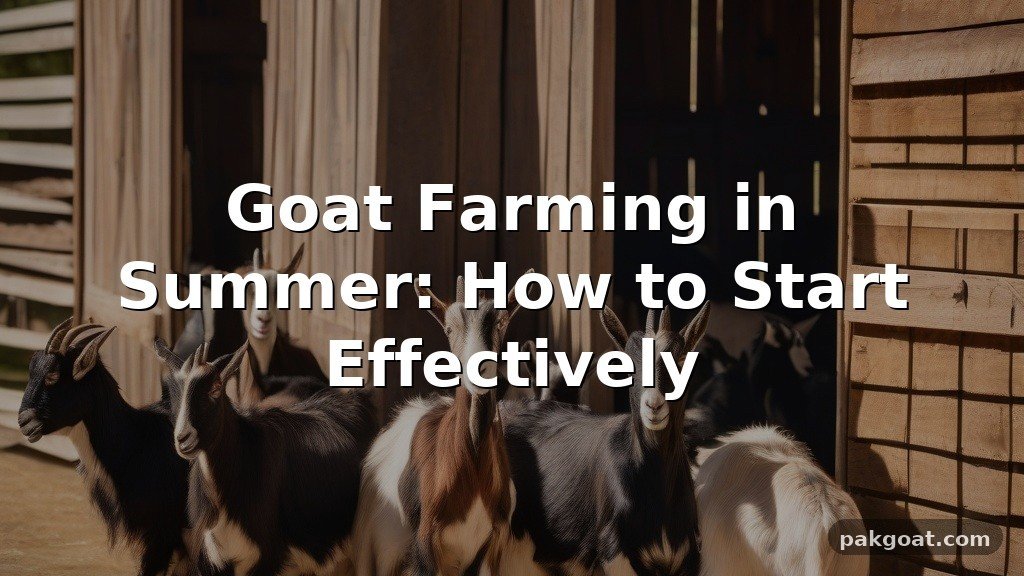
Understanding goat farming in summer how to start effectively requires a focus on heat management and hydration. You need to prepare your infrastructure before the peak temperatures arrive to ensure your herd remains healthy and productive. By prioritizing shade, ventilation, and water access, you can minimize stress on the animals during the hottest months.
This article outlines the practical steps required to establish a resilient operation, helping you manage the unique challenges of high-temperature livestock care. Whether you aim to produce milk or meat, setting up your farm correctly during the summer ensures a strong foundation for your venture.
Essential Infrastructure for Summer Operations
When considering goat farming in summer how to start, the first priority is providing adequate shelter. Goats are highly sensitive to heat stress, which can lead to reduced weight gain and lower milk yields. You should construct sheds with high, open sides to encourage maximum airflow through the structure.
Shade and Ventilation Requirements
Natural shade from trees is ideal, but if your pasture lacks it, you must build artificial shelters. Use reflective roofing materials to keep the internal temperature lower during the day. Ensure that the floor remains dry, as humidity combined with high heat can lead to respiratory issues.
Water Management
Water consumption for a goat can increase by 50% to 100% during peak summer heat. You must provide clean, cool water at all times to prevent dehydration. If you use trough systems, clean them twice weekly to prevent algae growth and contamination.
Nutrition and Grazing Strategies
Managing forage during the summer is critical because pastures often dry out. You need to supplement grazing with high-quality hay to maintain the nutritional intake of your animals. Goats are browsers, so they prefer to eat leaves and brush, which often remain greener than grass during dry spells.
- Provide salt and mineral blocks to replace nutrients lost through sweating.
- Rotate pastures frequently to prevent overgrazing and parasite buildup.
- Supplement with grains only during the cooler evening hours to avoid metabolic heat production.
- Ensure goats have access to browse like shrubs or tree trimmings.
Comparison of Summer Management Costs
The following table provides an estimate of the additional resources required to keep a small herd of 10 goats comfortable during a typical summer season.
| Resource | Estimated Monthly Cost | Notes |
|---|---|---|
| Supplemental Hay | $150 – $200 | Required when grass is dormant. |
| Mineral Supplements | $30 – $50 | Essential for electrolyte balance. |
| Water Infrastructure | $100 – $300 | One-time investment for troughs/pumps. |
| Shade Materials | $200 – $500 | Tarps, timber, or metal roofing. |
Health Monitoring in High Heat
To succeed in goat farming in summer, how to start a health monitoring routine is just as important as feeding. You should check your animals for signs of heat stress, such as rapid panting, lethargy, or a refusal to eat. If you notice these symptoms, move the goat to a cooler area immediately and offer electrolytes.
Parasite Control
Summer heat and humidity create the perfect environment for internal parasites like barber pole worms. Use FAMACHA scoring to identify goats that need deworming rather than treating the entire herd. This prevents the development of drug-resistant parasites on your farm.
Frequently Asked Questions
Do goats need hay during the summer?
Yes, if your pasture is dry or overgrazed, you must provide hay to maintain their rumen health. Even with good grass, some goats benefit from having dry matter available to balance the high moisture content of lush summer forage.
How many goats do I need to start?
It is recommended to start with a minimum of three to five goats. They are social animals and will become stressed or depressed if kept alone.
What is the easiest breed for beginners?
Nigerian Dwarf or Boer goats are frequently recommended for beginners. Nigerian Dwarfs are manageable in size, while Boers are hardy and excellent for meat production.
How long does it take for 10 goats to clear an acre?
Depending on the density of the brush, 10 goats can clear an acre of heavy vegetation in approximately four to six weeks. You should monitor their progress to ensure they do not strip the bark off valuable trees.
Building Your Sustainable Farm
Successfully managing goat farming in summer how to start with clear, actionable goals will set you apart from hobbyists. By investing in the right infrastructure—specifically shade and reliable water sources—you protect your investment from the risks of heat stress. Remember that your primary responsibility is the welfare of the animals, which directly impacts the quality of your meat or milk production.
Keep your daily routine consistent, observe your herd closely for changes in behavior, and adjust your feeding schedule to reflect the seasonal climate. As you gain experience, you will find that these summer preparations become second nature, allowing your operation to thrive year-round. Reach out to local agricultural extensions to learn about specific forage types that grow best in your region.
