

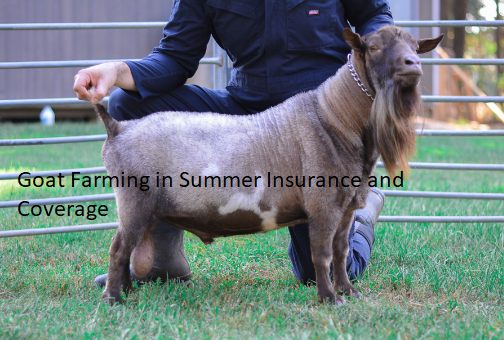
Managing goat farming in summer insurance and coverage requires a precise understanding of seasonal risks that threaten herd health and property assets. During the hottest months, farmers face elevated threats from heat stress, drought-related forage shortages, and infrastructure failures, making targeted protection essential for financial stability.
By securing appropriate policies now, you can mitigate the specific operational risks that emerge when temperatures spike. This article outlines how to assess your farm’s vulnerability, select the right coverage types, and ensure your business remains resilient against the unique pressures of the summer season.
The average cost for livestock insurance typically ranges from 1% to 3% of the total herd value annually, though summer-specific riders may fluctuate based on regional climate risks. If you are operating in states like Texas or California, where extreme heat indices and wildfire risks are statistically higher, your premiums will naturally lean toward the upper end of that spectrum.
Most standard farm policies exclude coverage for death due to heat exhaustion unless a specific “named peril” endorsement is added. You should prioritize policies that cover loss of income alongside physical livestock mortality, as a summer heatwave can impact milk production and weight gain long before a goat actually succumbs to the heat.
Assessing Summer-Specific Livestock Risks
Summer brings a unique set of hazards that standard year-round policies often fail to address adequately. Heat stress is the primary threat, as goats—particularly dairy breeds—experience significant physiological decline when the heat index remains consistently high.
You must evaluate whether your policy covers “loss of use” or “diminished production” rather than just total mortality. If a heatwave causes a 20% drop in your dairy yield, you need to know if your business interruption coverage kicks in to cover that revenue shortfall.
Drought conditions often accompany summer heat, creating secondary risks for your operation. If your pastures dry up, you are forced to purchase supplemental hay, which significantly inflates your operating costs.
Some specialized agricultural policies offer “pasture, rangeland, and forage” (PRF) insurance, which functions as an index-based plan to protect against low rainfall. This is a vital component of goat farming in summer insurance and coverage that many beginners overlook until their grass has already withered.
Infrastructure failure during a heatwave can be catastrophic. If your automated cooling systems, fans, or well pumps fail during a 100-degree day, your herd is at immediate risk of mass casualty.
Verify that your equipment breakdown coverage includes these specific systems and that the payout covers the cost of emergency repairs or temporary cooling rentals. Without this, a single electrical surge during a storm can cost you your entire season’s profit in a matter of hours.
Understanding Livestock Mortality Policies
A standard mortality policy acts like life insurance for your goats, but it is not a blanket solution for every summer problem. These policies generally pay out only if the animal dies from an accident, illness, or specific covered peril mentioned in the contract.
You must carefully read the exclusions list to see if “heat-related death” is considered an avoidable management error by the insurance company. If the adjuster deems your barn ventilation insufficient, they may deny a claim for heat stroke.
When purchasing these policies, you must provide an accurate valuation of your livestock. Use current market prices for your specific breeds, whether you are raising Kiko, Boer, or dairy goats like Nubians.
Keep detailed records of purchase prices, breeding history, and recent veterinary health certifications to justify these values. An insurer will not pay for “potential” future value; they only compensate for the verified market value at the time of the loss.
Consider the difference between “actual cash value” and “replacement cost” coverage. Actual cash value accounts for depreciation, which might leave you with a payout far lower than what it costs to buy a high-quality replacement doe.
Replacement cost coverage is more expensive but ensures you can actually restock your herd without digging into your own savings. For high-value registered breeding stock, you should always opt for the latter to maintain your genetic line.
The Role of Business Interruption Coverage
Business interruption insurance is perhaps the most critical, yet under-utilized, aspect of goat farming in summer insurance and coverage. This coverage is designed to replace your lost income if your farm operations are suspended due to a covered peril.
For example, if a summer wildfire destroys your fencing or barn, you won’t just lose the animals; you will lose your ability to sell milk, meat, or offspring for the remainder of the season. This policy helps pay for fixed costs like mortgage payments, taxes, and even employee wages while you rebuild.
To qualify for this, you must keep impeccable financial records. Insurance providers require proof of your average monthly income during the summer months from previous years to calculate your payout.
If you don’t have these records, the insurer may default to a generic industry average that doesn’t reflect your specific farm’s profitability. Start building a digital archive of your sales receipts, auction records, and feed invoices now to simplify the claims process later.
Be aware of the “waiting period” or “deductible period” associated with these policies. Some plans require you to be out of operation for 48 to 72 hours before the coverage kicks in.
If your farm is only down for a day because of a power outage, you may be left to absorb the cost yourself. Always negotiate for the shortest possible waiting period to ensure your cash flow remains consistent during peak summer production.
Comparing Common Farm Insurance Options
When shopping for coverage, you will encounter various types of policies that serve different needs on your farm. It is helpful to compare these based on what they protect and when they trigger a payout. Use the table below to understand how different financial protections apply to your summer operations.
| Insurance Type | Primary Coverage | Summer Relevance |
|---|---|---|
| General Liability | Third-party injury or property damage | Low; covers visitor accidents on farm. |
| Livestock Mortality | Death of animals | High; protects against heat-induced loss. |
| Equipment Breakdown | Cooling systems and pumps | Critical; prevents infrastructure failure. |
| Business Interruption | Lost revenue during downtime | High; compensates for production stalls. |
| PRF Insurance | Loss of forage due to drought | High; offsets high summer feed costs. |
Managing Liability During Summer Months
Summer often brings an increase in farm visitors, whether you are hosting farm tours, selling produce, or holding workshops. Your general liability insurance needs to be robust enough to handle the risks associated with public interaction.
If a guest trips over a loose fence wire or suffers a heat-related incident on your property, your farm is legally exposed. Ensure your policy includes “premises liability” to cover these potential legal costs and medical expenses.
Check if your policy covers “agritourism” activities if you host events during the summer. Standard farm insurance often excludes commercial activities, meaning your policy could be voided if you invite the public onto your land for a fee without prior disclosure.
You may need an additional rider or a separate commercial general liability policy to fully protect your assets. This is especially important if you allow children to handle the goats, as the liability risk increases significantly.
Always maintain your property to minimize these risks before they become insurance issues. Clear debris from walkways, ensure all electrical outlets are covered and grounded, and keep your gates in good repair.
Insurance companies often send inspectors to verify your safety standards, and a clean, organized farm can lead to lower premiums. Treat safety as a proactive cost-saving measure rather than an administrative burden.
Key Steps for Filing a Successful Claim
If you experience a loss that requires you to use your coverage, the documentation you provide will determine the success of your claim. As soon as a problem occurs, take high-quality photos and videos of the damage.
If an animal dies, contact your veterinarian immediately to perform a necropsy or provide a formal statement on the cause of death. Insurers are highly skeptical of undocumented deaths, especially when heat-related causes are suspected.
Keep a detailed log of every action you take to mitigate the damage. If you lose power and immediately rent a portable generator to save the herd, keep the rental receipt and the invoice for the fuel.
This demonstrates that you acted as a “prudent farmer” to minimize the loss, which is a requirement for most insurance contracts. If you simply watch the problem unfold without taking action, the insurer may deny your claim for failure to mitigate.
Notify your agent or broker within the timeframe specified in your policy. Most contracts have a strict window—often 24 to 48 hours—to report a loss after the event is discovered.
If you wait a week to report a broken pump or a lost animal, you may lose your right to collect any compensation. Maintain a copy of your policy in an easily accessible digital format so you can reference these deadlines instantly during an emergency.
Developing a Resilient Farm Strategy
Insurance is only one pillar of a broader risk management strategy for your farm. You should combine your coverage with physical upgrades that reduce the likelihood of a claim in the first place.
For example, installing a backup power system is more effective than relying on insurance payouts for lost production. The USDA Risk Management Agency provides comprehensive data and programs that can help you understand the broader landscape of agricultural security.
Consider diversifying your income sources to reduce the impact of a bad summer. If you rely solely on dairy, a bad heatwave that kills milk production wipes you out.
If you also sell soap, fiber, or breeding stock, you have other revenue streams that remain stable during the crisis. This diversification makes you a lower-risk client to insurance companies, which can sometimes lead to more favorable premium rates.
Invest in training for your staff or family members on how to handle heat stress in goats. Simple actions like providing constant access to cool water, installing shade cloth over pens, and adjusting feeding times to early morning or late evening can save your herd.
When an insurer sees that you have a documented “herd health management plan” that includes heat mitigation, they view your business as a safer bet. This proactive culture is the hallmark of a successful, long-term agricultural operation.
Frequently Asked Questions
Does my standard homeowner’s policy cover my goats?
Most homeowner’s policies specifically exclude farm animals and commercial agricultural activities. You generally need a separate farm insurance policy to cover livestock and business-related assets. Relying on a homeowner’s policy for goat farming in summer insurance and coverage is a common mistake that leaves farmers entirely uninsured in the event of a disaster.
What is the most important coverage to have during a drought?
Pasture, Rangeland, and Forage (PRF) insurance is the most effective tool for managing drought risks. It provides a payout based on a rainfall index, which helps you cover the rising costs of supplemental hay and feed when your natural pastures go dormant. This ensures that you don’t have to liquidate your herd simply because you cannot afford the increased cost of feed.
How do I prove the value of my goats for an insurance policy?
You should maintain a detailed inventory that includes registration papers, health records, and recent purchase or sale receipts for similar animals. If you have high-value breeding stock, consider having them appraised by a professional livestock appraiser every few years. Keeping these records updated in a secure, fireproof location or a cloud-based storage system is essential for a smooth claims process.
Is heat exhaustion typically covered under livestock mortality?
It depends entirely on your specific policy language. Many basic policies exclude death from environmental factors like heat unless you purchase a “named peril” endorsement that specifically includes heat stroke or extreme temperature events. Always ask your agent to show you where “heat” is mentioned in the policy document before signing, as general “accident” coverage often excludes death caused by weather.
How can I lower my premiums for goat insurance?
You can reduce your premiums by implementing safety measures like installing fire suppression systems, maintaining a clean barn to prevent disease spread, and having a documented disaster response plan. Insurance companies often offer discounts for farms that complete safety audits or have modern, reliable infrastructure. Bundling your farm liability, livestock mortality, and equipment coverage with a single provider can also lead to significant multi-policy discounts.
Next Steps for Your Farm
Securing your operation requires a combination of high-quality insurance and practical, hands-on management. Start by reviewing your current policy to identify gaps in your summer protection, specifically regarding heat-related perils and equipment failure.
If you find your current coverage lacking, reach out to an agricultural insurance broker who specializes in livestock to discuss specific endorsements. Do not wait until the first heatwave of the season to realize your vulnerabilities; the best time to adjust your coverage is before the temperatures begin to climb.
By documenting your assets, maintaining rigorous health records, and investing in preventative infrastructure, you position your farm for long-term survival. Managing goat farming in summer insurance and coverage is a continuous process of evaluation and adjustment as your herd grows and climate conditions shift.
Stay informed, stay prepared, and ensure your business remains protected against the seasonal pressures that define the agricultural year. Reach out to local agricultural extension offices for more resources on regional climate risks and best practices for your specific location.
