

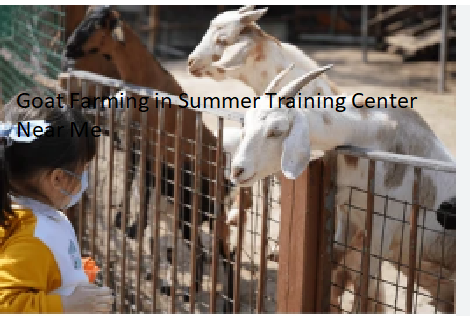
Finding a local goat farming in summer training center near me is a critical first step for aspiring livestock owners who want to avoid costly beginner mistakes. These specialized educational hubs provide hands-on experience in herd management, nutrition, and health monitoring during the most challenging season for small ruminants.
By attending a structured program, you gain access to professional mentors and infrastructure that would take years to replicate on your own property. This article covers how to identify quality training facilities, the core skills you must acquire, and the economic realities of starting your own goat operation.
Where to Find Training Facilities
Locating a reputable facility typically begins with your local Cooperative Extension office. These government-backed organizations often host or partner with regional farms to provide workshops on animal husbandry.
You can search for a goat farming in summer training center near me by entering your zip code into the USDA National Institute of Food and Agriculture extension portal. These offices maintain databases of certified trainers who adhere to state-approved agricultural standards.
Another effective strategy involves contacting regional 4-H clubs or Future Farmers of America (FFA) chapters. These groups frequently operate or sponsor summer intensive programs that focus on goat production.
Even if you are an adult, these organizations can point you toward master farmers in your area who offer private consultancy or seasonal training sessions. Do not overlook local community colleges with agricultural departments, as they often run summer certificate courses on small-scale livestock management.
Core Curriculum for Summer Programs
A high-quality summer training program should prioritize heat stress management and parasite control. Because goats are susceptible to internal parasites like barber pole worms, learning how to perform a FAMACHA score is essential.
This diagnostic tool allows you to assess an animal’s anemia levels by examining its eyelid tissue. A good training center will teach you how to integrate this check into your daily routine to prevent herd-wide outbreaks during humid summer months.
Nutrition management during the summer is another pillar of your training. You will learn how to transition herds from lush spring pastures to summer forage, which often requires careful supplementation.
Instructors should demonstrate how to calculate dry matter intake to ensure your goats maintain weight despite heat-induced appetite suppression. Understanding the mineral requirements for your specific breed—whether dairy or meat—is also a standard component of these intensive workshops.
Evaluating Program Quality
When vetting a potential center, look for transparency regarding their own herd health statistics. A professional farm should be willing to show you their mortality rates and vaccination schedules.
If a facility refuses to disclose how they handle common summer ailments like foot rot or mastitis, look elsewhere. You want to learn from practitioners who maintain rigorous, science-based protocols rather than those relying on outdated, anecdotal advice.
Check the ratio of students to instructors to ensure you get hands-on time with the animals. A program that crams thirty people into a single demonstration pen will rarely provide the individual practice needed to master techniques like hoof trimming or intramuscular injections.
Ask specifically if the training includes necropsy demonstrations or direct observation of veterinary procedures. The more exposure you have to the reality of medical intervention, the better prepared you will be for your own herd’s emergencies.
Economic Realities of Goat Operations
Many beginners enter the industry expecting immediate profits, but the reality is often different. Goat farming requires significant capital for fencing, housing, and veterinary supplies before you see a single dollar in revenue.
You must understand that the “summer” period is often a phase of high maintenance and low profit, as you are investing in the health of your animals for later production cycles. Most successful operations operate on a three-to-five-year plan to reach break-even status.
Understanding the market dynamics for meat and dairy products is vital. If you are raising meat goats, you need to know the specific weight requirements that fetch the highest prices at local auctions.
Dairy operations involve the much stricter hurdle of meeting state-level raw milk or pasteurization regulations. Use the table below to understand the typical breakdown of startup costs for a small-scale goat farm.
| Expense Category | Estimated Percentage of Startup Capital | Primary Factor |
|---|---|---|
| Infrastructure (Fencing/Shelter) | 45% | Predator control and containment |
| Livestock Acquisition | 25% | Breeding quality and genetics |
| Veterinary/Health Supplies | 15% | Vaccines, dewormers, and tools |
| Feed and Forage Management | 15% | Supplemental nutrition and hay storage |
Essential Skills for New Farmers
Beyond the basics, you need to develop a mechanical aptitude for farm maintenance. Goats are notorious for finding weaknesses in fencing, and you must be able to repair woven wire or electric strands quickly.
A summer training program should include a workshop on fence construction and solar-powered energizer maintenance. If you cannot keep your animals secure, you will lose your investment to predators like coyotes or stray dogs.
Record-keeping is the final, often overlooked skill that separates successful farmers from hobbyists. You need to maintain a database for every animal in your care, tracking birth dates, breeding history, and medical treatments.
Many training centers now introduce software tools to help manage these records efficiently. Learning to use these digital tools early will save you hundreds of hours of frustration once your herd grows beyond five or ten animals.
Managing Heat Stress in Summer
Goats are generally resilient, but they suffer significantly when humidity levels spike. Your training should cover the physical signs of heat stress, such as rapid panting, lethargy, and decreased water intake.
You will learn how to design shade structures that allow for maximum airflow, which is more effective than simple roof structures. Providing clean, cool water is also a non-negotiable requirement that you must master during your training.
You will also learn how to monitor pasture health to avoid overgrazing during the summer. When grass becomes short and dry, goats are forced to graze closer to the soil, where parasite larvae are most concentrated.
Rotational grazing is the primary strategy to mitigate this risk. By moving your herd every few days, you break the life cycle of parasites and ensure the pasture remains productive throughout the hotter months.
Common Pitfalls to Avoid
One of the most common mistakes is purchasing too many animals before you have the infrastructure to support them. Beginners often buy a large herd at a low price, only to find they cannot manage the daily workload or the veterinary costs.
Start small with a manageable number, such as three to five does, to learn the rhythms of the farm. This allows you to scale up as your confidence and financial reserves grow.
Another pitfall is neglecting the importance of a relationship with a local large-animal veterinarian. Even if you learn to perform basic tasks yourself, you need a professional for surgeries, complicated births, and disease diagnosis.
A good training program will help you build a professional network, potentially introducing you to local vets who accept new farm clients. Do not wait until you have a sick animal to start searching for this critical support.
Frequently Asked Questions
What is the best month to start training?
Training programs generally run throughout the summer, but late spring is the ideal time to start. This allows you to learn about kidding season and spring pasture management before the heat of summer sets in. Most centers offer sessions in May and June to prepare farmers for the challenges of the coming months.
Is there significant money in goat farming?
The profit margins in goat farming are generally thin for small-scale operators. Success depends on your ability to control overhead costs and find niche markets for your products. Many farmers find that the best return on investment comes from selling high-quality breeding stock or value-added products like goat cheese or soap.
How much land is required for a small herd?
The amount of land you need depends on your climate and the quality of your soil. A general rule of thumb is that you can support roughly six to eight goats per acre in moderate climates. However, if you are using intensive rotational grazing, you may be able to support more animals on less land.
What defines a professional goat farmer?
A professional farmer is defined by their commitment to animal welfare and financial viability. This means keeping accurate records, maintaining a relationship with a veterinarian, and continuously updating their knowledge through training. It is someone who treats the farm as a business rather than a hobby, ensuring every decision is based on data and best practices.
How do I handle predator protection?
Predator protection is a major part of any farm management plan. The most effective methods include using livestock guardian dogs, sturdy fencing, and keeping animals in secured barns at night. Your training center should provide specific advice on which predators are most active in your region and how to install fencing that keeps them out.
Conclusion
Starting your journey by finding a goat farming in summer training center near me provides the foundational knowledge necessary to succeed in a demanding industry. By focusing on hands-on skills like parasite management, heat stress prevention, and infrastructure maintenance, you position yourself to build a healthy and sustainable herd. Remember that agriculture is a long-term commitment that requires patience, constant learning, and a willingness to adapt to changing conditions.
As you move forward, continue to lean on the professional networks you establish during your training. Stay diligent with your record-keeping and prioritize the welfare of your animals above all else, as they are the core of your operation’s success. With the right preparation, you can turn your interest in livestock into a productive and rewarding venture.
