

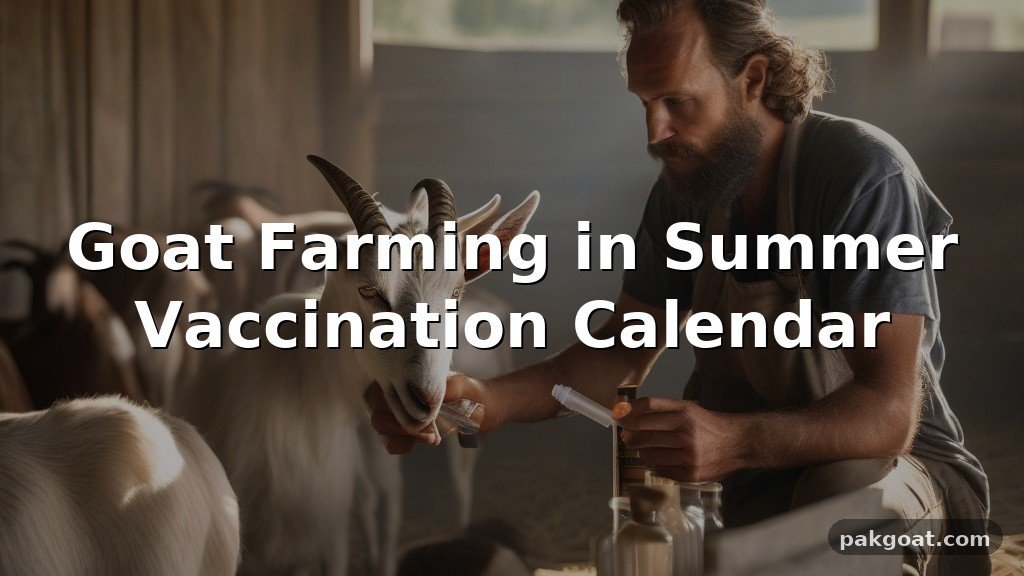
Managing a goat farming in summer vaccination calendar requires precision because heat stress and seasonal parasites place unique demands on your herd. You must prioritize preventive care during these months to ensure your animals maintain their body condition despite rising temperatures and shifting forage quality.
By tracking specific dates for boosters and deworming, you minimize the risk of sudden health declines that often plague livestock during the peak of summer. This article provides the actionable data you need to keep your herd thriving through the hottest months of the year.
Key Vaccination Timelines
The most critical aspect of your summer health management is ensuring that your core vaccines are up to date before the peak heat sets in. Most producers follow a strict schedule for the CDT vaccine, which protects against Clostridium perfringens types C and D, as well as tetanus. If you wait until the middle of summer, the added stress of handling animals in high temperatures can trigger unnecessary health issues.
Essential Scheduling Rules
* Annual Boosters: Administer to all adult goats once every 12 months, ideally timed before the onset of the breeding season.
* Kids: Provide the first dose at 8 to 10 weeks of age, followed by a booster 4 weeks later.
* Pregnant Does: Give the vaccine 4 to 6 weeks before kidding to ensure high levels of antibodies in the colostrum.
* New Arrivals: Quarantine for 3 weeks and vaccinate immediately upon entry if their medical history is unknown.
Seasonal Health Risks
Summer in many regions brings high humidity and increased parasite loads, which can make a standard goat farming in summer vaccination calendar feel insufficient if you aren’t also managing internal health. While vaccines prevent specific bacterial diseases, they do not replace the need for strategic deworming. You should monitor your herd for signs of anemia, such as pale mucous membranes, using the FAMACHA system to determine which individuals actually require treatment.
Summer Management Comparison
The following table highlights the difference between routine vaccination and environmental health tasks during the summer months.
| Task Category | Frequency | Primary Goal |
|---|---|---|
| CDT Vaccination | Annually | Prevent enterotoxemia and tetanus |
| Parasite Monitoring | Every 2-3 weeks | Control Barber Pole worm populations |
| Hoof Trimming | Every 6-8 weeks | Prevent foot rot in humid conditions |
| Mineral Supplementation | Daily | Maintain immune system function |
Addressing Common Herd Health Questions
What is the 3-2-1 rule for vaccines?
This rule is a common mnemonic for managing kids: give the first shot at 3 months, a second shot 2 weeks later, and a final booster 1 month after that. However, most modern veterinary protocols prefer starting at 8 to 10 weeks for better protection.
What exactly is in the 7-in-1 vaccine?
The 7-in-1 vaccine typically includes protection against tetanus, enterotoxemia, and five strains of clostridial diseases like blackleg and malignant edema. It is a broad-spectrum tool that simplifies your farm‘s medical inventory.
Do I need to vaccinate in the middle of summer?
Generally, you should avoid heavy handling and vaccination during the hottest part of the day to prevent heat stress. If a booster is due, administer it early in the morning when the ambient temperature is at its lowest.
How often should I consult a vet?
You should have a formal relationship with a local large-animal veterinarian for annual check-ups. They can help you tailor your specific goat farming in summer vaccination calendar to the endemic diseases present in your specific region.
Maintaining Herd Vitality
A successful goat farming in summer vaccination calendar relies on consistency and proactive observation. You should always keep a written log of every injection, including the date, the specific vaccine brand used, and the individual animal’s ear tag number. This record-keeping habit prevents double-dosing and ensures that you never miss a necessary booster for your breeding does.
If you notice a drop in milk production or a decline in appetite, verify your vaccination records first before assuming the cause is nutritional. By staying disciplined with your calendar, you protect your investment and ensure the long-term health of your entire herd. Reach out to your local agricultural extension office if you need help creating a custom plan for your farm’s unique environment.
