

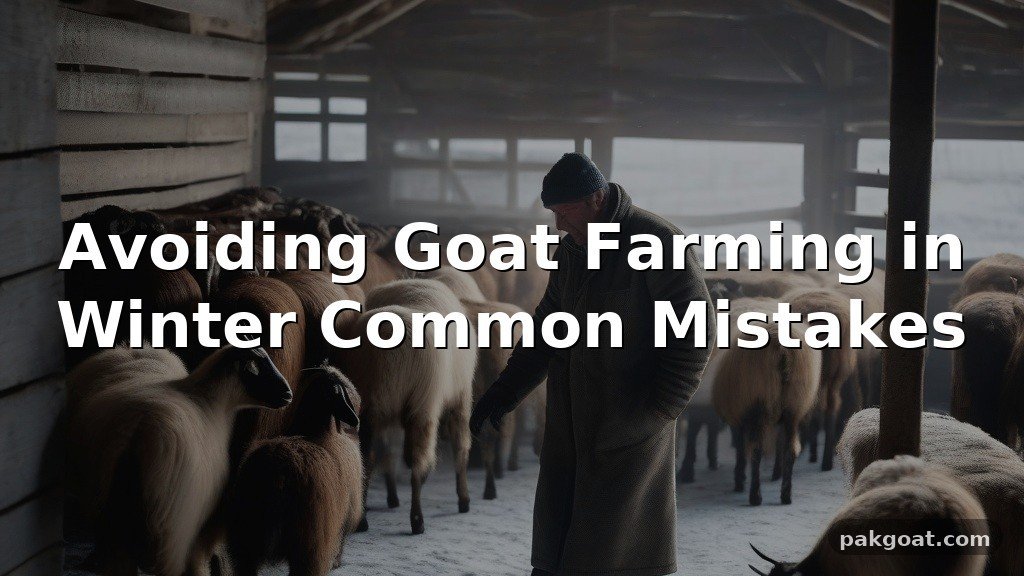
Avoiding goat farming in winter common mistakes is essential for maintaining a healthy, productive herd throughout the coldest months of the year. Many producers struggle when temperatures drop because they underestimate the specific nutritional and shelter requirements of their animals during freezing conditions. By failing to adjust management practices, you risk severe health declines, weight loss, and even preventable losses within your flock.
This article clarifies the most frequent errors owners make, providing actionable steps to ensure your goats remain strong. Understanding these pitfalls allows you to proactively manage your resources and protect your investment during the harshest season.
The Most Frequent Winter Management Errors
The primary issue during winter is failing to provide adequate calories to sustain body heat. A goat’s metabolic rate increases significantly when temperatures fall below 30°F (-1°C), which is the lower critical temperature for most breeds. If you do not increase the ration of high-quality hay, your animals will burn through their own fat reserves just to stay warm.
Another frequent error involves ignoring water intake. Goats often drink less when water is ice-cold, leading to dehydration and an increased risk of urinary calculi, particularly in bucks. You must keep water sources accessible and, if possible, slightly warmed to encourage regular consumption.
- Failing to provide dry, draft-free bedding that stays insulated from cold ground.
- Underestimating the caloric need for pregnant or lactating does during frigid weeks.
- Ignoring the necessity of mineral supplements to support immune function.
- Allowing snow or ice buildup on the roof of the shelter, increasing collapse risks.
- Neglecting to monitor for lice or mites, which thrive in thick winter coats.
Nutritional Adjustments and Shelter Needs
Managing nutrition is a precise balancing act when grazing is no longer an option. You must increase the amount of energy-dense feed to compensate for the lack of fresh forage. While hay is the foundation of the winter diet, many farmers forget to offer warm, soaked beet pulp or extra grains to help maintain internal body temperatures.
Shelter design also requires specific attention to prevent common health issues. Goats are highly susceptible to pneumonia if their living area is poorly ventilated or damp. You need to ensure the barn allows moisture to escape while blocking harsh winds.
| Factor | Summer Management | Winter Management |
|---|---|---|
| Primary Feed | Pasture/Browse | High-Quality Hay |
| Water Temp | Ambient | Above 45°F (7°C) |
| Bedding | Minimal/None | Deep, Dry Straw |
| Energy Needs | Maintenance | Increased by 20-30% |
Frequently Asked Questions
What temperature is too cold for goats?
Most healthy, well-fed goats can handle temperatures down to 0°F (-18°C) provided they have a dry, draft-free shelter. If the thermometer drops significantly lower, you must monitor them closely for signs of shivering or frostbite on their ears and teats.
Why is my goat losing weight in the winter?
Weight loss usually indicates that the animal is using all its energy just to keep warm rather than maintaining body condition. You likely need to increase the volume of hay or provide a higher-quality protein supplement to meet their increased metabolic demands.
How do I keep water from freezing?
Using a submersible tank heater or an insulated stock tank is the most effective way to keep water liquid. If electricity is unavailable, you must manually break the ice several times a day to ensure the herd has constant access.
Should I blanket my goats?
Blanketing is generally unnecessary for healthy adults with access to a proper barn. You might consider it only for kids, sick animals, or elderly goats that struggle to regulate their own temperature during extreme cold snaps.
Securing Your Herd Through Winter
Successfully navigating the cold months comes down to being observant and prepared before the first frost arrives. By addressing the common errors mentioned above, you shift your focus from emergency response to proactive care. Providing consistent access to high-quality hay, ensuring your shelter remains dry, and keeping water at an appropriate temperature will keep your animals in peak condition.
These small, daily adjustments prevent long-term health complications and ensure your goats thrive until the spring thaw arrives. If you stay diligent with your routine, you will avoid the most damaging goat farming in winter common mistakes and keep your herd healthy year-round. Don’t hesitate to consult a local veterinarian if you notice any sudden changes in your animals’ behavior during the peak of winter.
