

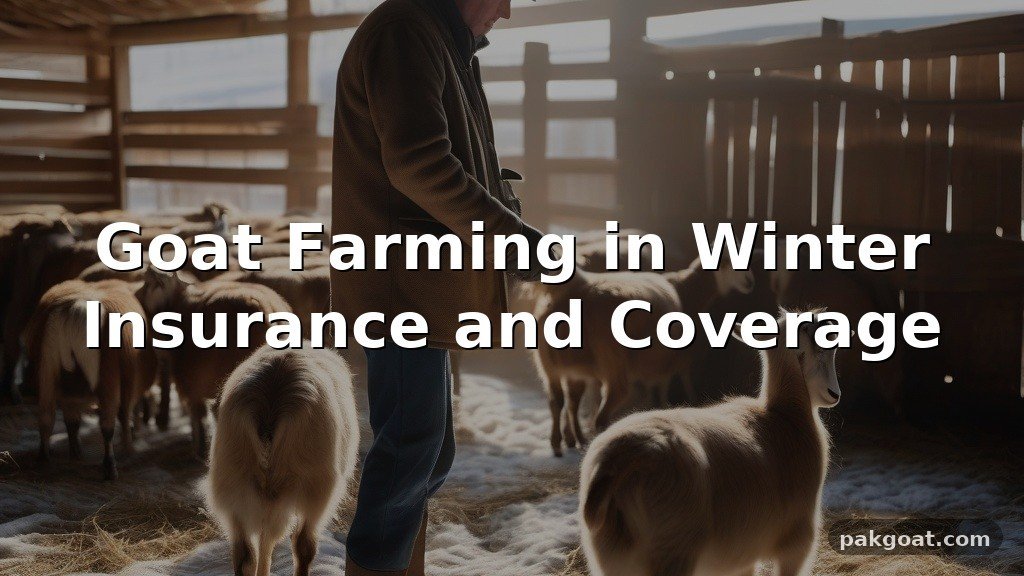
Managing goat farming in winter insurance and coverage requires a precise understanding of how cold-weather risks affect your livestock business. Winter introduces unique hazards, including increased respiratory illness, hypothermia, and structural damage to shelters from heavy snow or ice. Farmers often overlook the fact that standard property policies rarely cover biological losses or specific winter-related accidents unless they are explicitly added.
By securing the right protection before the first frost, you shield your operation from the financial volatility that often accompanies harsh seasonal shifts. This assessment of your current assets will help you determine if your existing policy provides enough security for your herd during the coldest months of the year.
Essential Coverage for Winter Operations
Most standard farm policies cover basic property damage, but they often exclude the specific health risks associated with winter. You must verify if your policy includes mortality coverage for incidents like barn collapses due to heavy snow or freezing of water lines that lead to dehydration. When evaluating goat farming in winter insurance and coverage, consider adding a rider for specialized equipment failure, such as heating systems or ventilation fans that prevent pneumonia in confined spaces.
Liability and Property Protection
Liability remains a primary concern during winter, especially if icy conditions increase the risk of visitors or delivery personnel slipping on your property. Your policy should provide enough coverage to account for potential legal claims arising from winter hazards on your farm. Additionally, ensure that your structures are appraised for their current replacement value rather than their original cost, as rebuilding costs often spike during winter due to labor shortages and material scarcity.
Risk Management During Cold Months
Effective risk management involves more than just buying a policy; it requires proactive maintenance that meets the requirements of your insurance provider. Many firms will only honor a claim if you can prove that basic winterization protocols were followed, such as maintaining proper shelter insulation and keeping pathways clear of ice. Documentation is your best defense if you ever need to file a claim.
- Inspect barn roofs for structural integrity to prevent collapse under snow loads.
- Install redundant heating systems for newborn kids or sick animals.
- Maintain a detailed inventory of livestock, including ear tags and medical records.
- Clear all access roads to ensure veterinarians can reach your farm during emergencies.
- Check all electrical wiring for rodent damage to prevent barn fires.
Comparing Insurance Options
When shopping for protection, the cost of premiums often depends on the size of your herd and the specific climate risks of your region. The following table illustrates how different types of coverage impact your annual budget for maintaining a secure operation.
| Coverage Type | Primary Benefit | Typical Annual Cost Factor |
|---|---|---|
| Basic Liability | Third-party injury protection | Low (Base premium) |
| Livestock Mortality | Death due to weather/accident | Moderate (Per head) |
| Equipment Breakdown | Replacement of heating/pumps | Low (Flat fee) |
| Crop/Feed Loss | Replacement of destroyed stores | Moderate (Value-based) |
Frequently Asked Questions
Does my standard farm liability policy cover sick goats?
No, standard liability policies generally only cover legal claims from third parties. You will need a specific livestock mortality policy to receive compensation for the loss of animals due to winter illness or death.
Is structural damage from snowstorms automatically covered?
Not always, as some policies have specific exclusions for “weight of ice and snow.” You should review your policy documents to confirm your barn and outbuildings are fully covered for roof collapses during extreme weather events.
What documentation do I need to prove a winter loss?
You should maintain a digital log of your herd, including photos, medical history, and proof of preventative care. If a loss occurs, having an accurate count and veterinary reports will significantly speed up the claims process.
How do I lower my premiums for winter coverage?
Insurance providers often offer discounts for farms that implement verified safety measures. Installing fire suppression systems, upgrading to modern, weather-resistant materials, and maintaining documented safety records can help lower your annual rates.
Securing Your Farm Future
Evaluating your goat farming in winter insurance and coverage is a vital step in protecting your investment against seasonal unpredictability. By choosing a policy that addresses both the physical structures of your farm and the health of your livestock, you create a buffer against the most common winter hazards. Remember that the cheapest policy is rarely the best when you face a catastrophic event; prioritize coverage that offers high limits for the risks most likely to affect your specific geography.
Take the time to audit your current agreements today so you can face the coming months with confidence. Reach out to a specialized agricultural insurance agent to tailor your plan to the unique needs of your herd.
