

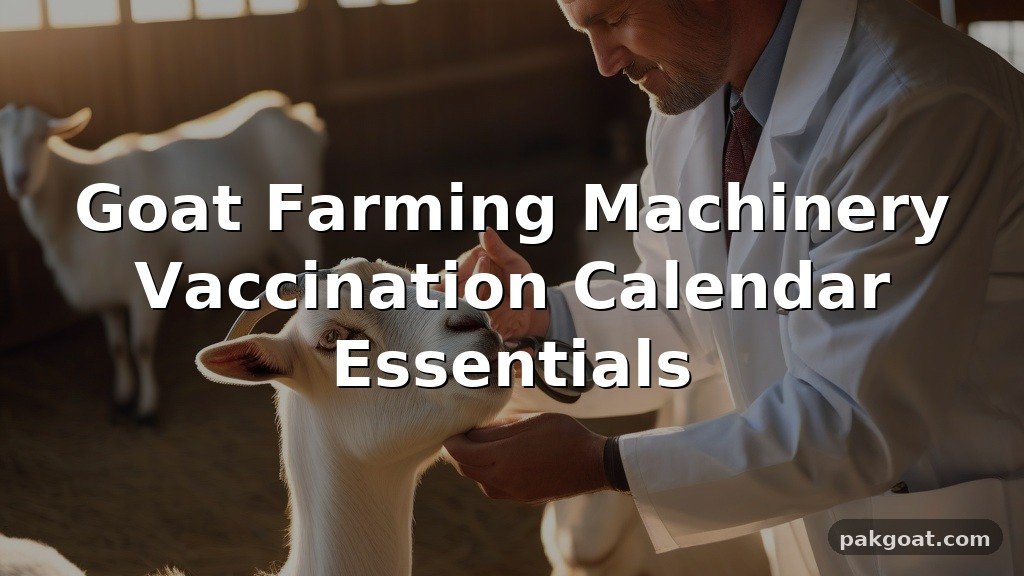
Managing a goat herd requires more than just physical infrastructure; it demands a precise goat farming machinery vaccination calendar to ensure long-term animal health. By integrating your equipment maintenance with biological schedules, you create a synchronized workflow that minimizes stress on your livestock. This approach helps you track when to disinfect chutes or service automatic injectors alongside the administration of essential vaccines.
Maintaining these records effectively prevents disease outbreaks and ensures that every member of your herd receives timely medical attention. Following a structured plan is the most reliable way to protect your investment and maintain a productive, healthy farm.
Essential Vaccination Timelines
The foundation of any successful operation is the timing of shots against common diseases like enterotoxemia and tetanus. Most producers rely on the CDT vaccine, which provides protection against Clostridium perfringens types C and D, as well as Clostridium tetani.
You should administer the initial dose to kids at approximately 8 to 12 weeks of age, followed by a booster 4 weeks later. Adult goats generally require an annual booster to maintain immunity levels throughout the year.
Core Vaccination Schedule
- CDT Vaccine: Administered to kids at 8-12 weeks, with a booster 4 weeks later.
- Annual Boosters: Given to all adult goats once per year, ideally before kidding.
- Rabies Vaccine: Recommended in high-risk areas, typically given annually to adults.
- Caseous Lymphadenitis (CL) Vaccine: Optional in some herds but helpful in regions with high disease prevalence.
Equipment Maintenance and Hygiene
Your goat farming machinery vaccination calendar should explicitly include the sanitation of tools used during the process. Dirty needles or contaminated squeeze chutes can easily spread infections between animals, nullifying the benefits of the vaccine itself.
You must disinfect your equipment before and after every session to ensure that your health protocols remain effective. Regularly inspect your automatic injectors for calibration errors to ensure every animal receives the exact dosage required for their weight class.
Sanitation Checklist
| Equipment | Cleaning Frequency | Agent |
|---|---|---|
| Squeeze Chute | Weekly or post-use | Chlorine-based disinfectant |
| Automatic Injector | Every use | Hot water and alcohol |
| Needles | Single-use preferred | Replace per animal |
Managing Herd Health Records
Keeping digital or paper logs is vital for accountability within your goat herd. When you use machinery like digital scales or electronic identification readers, link these tools directly to your vaccination dates.
This integration allows you to see exactly which animal is due for a shot based on their last recorded entry in your system. Accurate data entry prevents accidental double-dosing and ensures that you never miss a critical window for booster shots.
Frequently Asked Questions
What is the standard CDT vaccine schedule for kids?
Kids should receive their first shot between 8 and 12 weeks of age. A second dose, or booster, is essential 4 weeks after the first injection to ensure long-term immunity.
Can I use the same needle for multiple goats?
You should never reuse needles on different animals. Reusing needles can transmit blood-borne diseases rapidly through your herd, causing significant financial loss.
How often should I service my vaccination equipment?
Inspect your injectors and chutes before every major vaccination cycle. Calibration checks should occur at least annually to ensure the internal seals and springs are functioning correctly.
Why is a vaccination calendar important for farm machinery?
It helps you plan downtime for your equipment. By syncing your vaccination days with maintenance days, you ensure that your chutes and handling systems are clean, serviced, and ready for high-traffic use.
Maximizing Production Efficiency
Maintaining a consistent goat farming machinery vaccination calendar is a core component of responsible animal husbandry. When you align your equipment maintenance with your medical schedule, you reduce the time animals spend in high-stress environments. This operational efficiency leads to better overall weight gain, improved milk production, and lower mortality rates among your kids.
Start by documenting your current herd size and the specific vaccines required for your local climate. Reach out to your local veterinarian to finalize your specific health plan, then update your digital tracking tools to reflect these new milestones. Staying proactive with your schedule ensures that your farm remains both healthy and profitable for years to come.
