

Developing a goat farming marketing plan how to start requires more than just passion for livestock; it demands a clear strategy for connecting your products with local demand. Whether you are focusing on milk, meat, fiber, or breeding stock, your ability to reach customers determines your long-term financial viability.
Success in this sector hinges on identifying your specific niche early on, as the market for high-quality goat products continues to expand in many regions. By understanding the logistics of production and the nuances of consumer preferences, you can build a sustainable operation that thrives in both local and regional markets.
Defining Your Market Niche
The first step in your goat farming marketing plan how to start is identifying exactly what you intend to sell. Many beginners try to do everything at once, but specialization often leads to better profitability and clearer branding. You should analyze whether your local area has a higher demand for dairy products, such as artisanal cheeses and raw milk, or if there is a consistent appetite for meat breeds like Boer or Kiko.
If you choose the dairy route, your marketing must focus on food safety standards, flavor profiles, and the health benefits of goat milk compared to cow milk. For meat production, your focus shifts toward consistency, carcass quality, and ethical farming practices that appeal to health-conscious consumers.
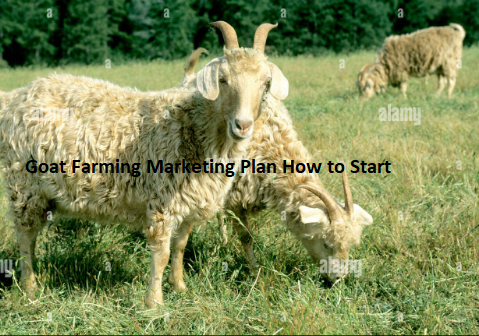
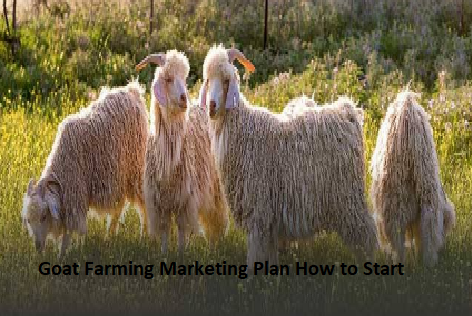
Fiber producers, such as those raising Angora or Cashmere goats, need to build relationships with local spinning guilds and fiber processors. Focusing on one or two primary products allows you to refine your operations and dedicate your limited marketing budget to the right audience.
Understanding Local Demand and Logistics
Market research is the foundation of a successful venture, and you must verify that a customer base exists before investing in infrastructure. Visit local farmers’ markets, contact regional co-ops, and look at the pricing of goat products in nearby health food stores. You should also check the zoning laws and agricultural regulations in your municipality, as these can dictate how you are allowed to sell your goods.
Understanding the distance to your customers is critical for maintaining product quality and minimizing transportation costs. If you are selling perishable items like fresh milk, your radius will naturally be limited by how quickly you can get the product to the consumer.
For shelf-stable items like soap or cured meat, you have a much broader reach through online sales or shipping. Always calculate your break-even point by including the costs of fuel, packaging, and time spent on distribution.
Building Your Brand Identity
Your brand is more than just a logo; it is the story of your farm and the promise you make to your customers. People are increasingly interested in where their food comes from, so highlighting your farm’s unique practices can be a significant competitive advantage. Whether you use organic feed, practice rotational grazing, or have a specific breed focus, these details should be central to your marketing materials.
Consistency across all platforms is essential for building trust with your local community. Use the same tone, colors, and messaging on your social media pages, your product labels, and your farm signage.
High-quality photography of your animals and your production process can go a long way in humanizing your business. When customers feel a connection to the farm and the farmer, they are much more likely to become repeat buyers who advocate for your products to their friends and family.
Strategies for Direct-to-Consumer Sales
Direct sales provide the highest profit margins because they eliminate the middleman and allow you to capture the retail price. Farmers’ markets remain one of the most effective ways to introduce your products to the public and gather immediate feedback. You should prepare an attractive stall that showcases the freshness of your goods and allows customers to sample items when possible.
Online presence is no longer optional for small-scale agricultural businesses. You can use platforms like Instagram or Facebook to document the daily life of your farm, which keeps your brand top-of-mind for your followers.
Consider setting up a simple e-commerce site or a newsletter to notify customers when fresh products are available or when you have new breeding stock for sale. Maintaining a consistent schedule for updates keeps your audience engaged and encourages them to plan their purchases around your production cycle.
Pricing Your Goat Products
Setting the right price is a balance between covering your operational costs and remaining competitive in your local market. Do not simply copy the prices you see at the supermarket, as your products are likely higher quality and produced on a smaller scale. You must account for the cost of feed, veterinary care, housing, and your own labor hours when calculating your base price.
Many farmers find it helpful to look at the United States Department of Agriculture market reports to understand broader pricing trends for livestock and dairy. Use the following table to organize your cost analysis and ensure you are not undercharging for your labor:
| Expense Category | Estimated Monthly Cost | Percentage of Total |
|---|---|---|
| Feed and Forage | $300 | 40% |
| Veterinary & Supplies | $150 | 20% |
| Marketing & Packaging | $75 | 10% |
| Utilities & Maintenance | $225 | 30% |
Leveraging Partnerships and Wholesale
While direct sales are lucrative, wholesale partnerships can provide the volume needed to stabilize your income. Restaurants, local cafes, and boutique grocery stores are often looking for local, high-quality goat milk, cheese, or meat. To secure these accounts, you must be able to guarantee consistent supply and meet all local health department requirements for food handling.
Building a wholesale business requires a high level of professionalism in your communication and delivery schedules. You should create a simple product sheet that lists your offerings, pricing tiers for bulk orders, and delivery terms.
Being reliable is the most important trait in a wholesaler; a chef would rather work with a farmer who delivers on time every single week than one who has a slightly better product but is inconsistent. Networking with local food industry professionals can help you identify these opportunities before your competitors do.
Essential Milestones for New Farmers
Every successful farm hits specific milestones that mark its transition from a hobby to a viable business. Tracking your progress against these goals will help you stay focused on your marketing plan how to start. You should prioritize the following steps in your first two years of operation:
- Secure all necessary permits and insurance for livestock and food production.
- Establish a reliable customer database through social media or email signup sheets.
- Develop at least two primary sales channels, such as a farmers’ market and a local store.
- Create a standardized labeling system that includes all required nutritional and safety info.
- Build a network of local mentors or fellow farmers for advice and resource sharing.
Managing Risks and Scaling Up
Agricultural businesses are inherently risky due to weather, disease, and market fluctuations. Your marketing plan should include a buffer for unexpected drops in demand or production issues. Diversifying your product line is one of the best ways to mitigate risk; if your milk sales are slow, having a supply of goat milk soap or leather goods can help maintain cash flow.
Scaling up should only happen once your current systems are profitable and streamlined. Increasing your herd size too quickly often leads to higher costs and lower quality, which can damage your brand reputation.
Always analyze your profit margins on each product before expanding, and ensure that your marketing reach can absorb the additional inventory. Growing slowly allows you to maintain the quality that your customers have come to expect from your farm.
Frequently Asked Questions
What is the most profitable goat product?
Profitability varies by region, but artisanal goat cheese and high-quality breeding stock typically offer the best margins. Processed products like soaps and lotions also provide a great way to utilize excess milk and increase the value of your output.
How many acres do I need for 100 goats?
The amount of land depends on your grazing system and the productivity of your soil. Generally, a range of 5 to 10 acres is sufficient for 100 goats if you use intensive rotational grazing, but you will need supplemental feed for the winter months.
What licenses are needed for goat farming?
Regulations vary significantly by state and county, so you must consult your local extension office. Generally, you will need a business license, and if you sell milk or meat, you will need specific health department permits for processing and distribution.
How do I market my goats to new buyers?
Effective marketing involves showing the health and temperament of your animals through high-quality photos and detailed lineage information. Participating in regional agricultural shows and maintaining a professional social media presence are excellent ways to attract serious buyers.
Can I start goat farming at home?
Starting at home is possible if your property is zoned for livestock and you have enough space for housing and fencing. Check your local noise and odor ordinances, as these are common points of friction for small-scale urban or suburban goat farmers.
Conclusion
Starting a profitable farm requires a blend of agricultural skill and business discipline. By focusing on your niche and understanding your local market, you can build a sustainable operation that provides value to your community. Remember that your goat farming marketing plan how to start is a living document that should evolve as your business grows and your customer base expands.
Keep your records organized, prioritize the quality of your products, and maintain open lines of communication with your buyers. With consistent effort and a clear strategy, you can turn your passion for goat farming into a successful and rewarding venture that serves your local region for years to come.
