

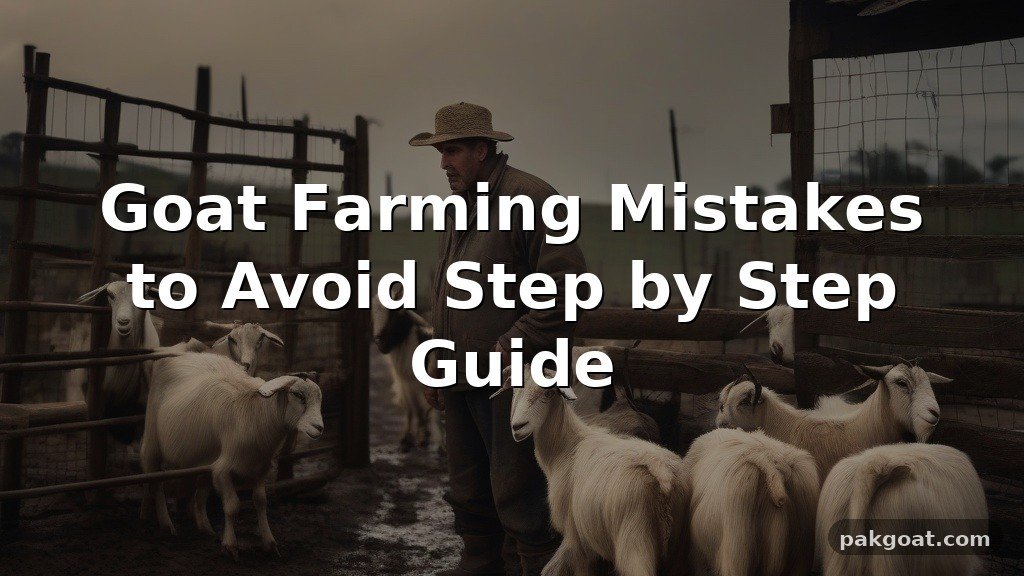
Following a goat farming mistakes to avoid step by step guide is essential for new producers who want to build a sustainable operation. Many beginners enter the industry expecting quick returns, only to face significant financial losses due to preventable errors in herd management and infrastructure. By focusing on fundamental health protocols, proper housing, and strategic breeding, you can mitigate common risks that plague small-scale agriculture.
This article outlines specific technical hurdles and operational oversights that frequently compromise the profitability of goat enterprises. Implementing these preventive measures early in your planning process will help ensure the long-term viability of your livestock investment.
The Most Critical Financial and Operational Errors
The most frequent error in goat farming is underestimating the initial capital requirements and the ongoing costs of high-quality feed. Many farmers fail because they do not account for the 2% to 4% of body weight that a goat requires in daily dry matter intake. Another common mistake is neglecting biosecurity, which often leads to the rapid spread of contagious illnesses like Caseous Lymphadenitis.
You must maintain a strict quarantine period of at least 30 days for any new animal introduced to your existing herd. Failing to document health records or track breeding cycles will also prevent you from identifying underperforming animals that drain your resources.
Common Management Pitfalls
* Failing to provide constant access to fresh, clean water.
* Overlooking the importance of specialized mineral blocks.
* Allowing overcrowding in barns, which leads to respiratory distress.
* Neglecting hoof maintenance, which causes severe lameness.
* Ignoring parasite load monitoring through regular fecal egg counts.
Infrastructure and Housing Considerations
Improper housing is a primary cause of high mortality rates among young kids. Goats are incredibly sensitive to drafts and damp bedding, which can trigger pneumonia outbreaks even in mild climates. Your barn must provide adequate ventilation while remaining dry and protected from prevailing winds.
A common oversight is building structures that are difficult to clean, leading to the accumulation of ammonia and pathogens. You should aim for a design that allows for easy removal of waste and ensures that all feed troughs stay elevated and free from fecal contamination.
Comparison of Housing Requirements
| Feature | Poor Housing Design | Proper Housing Design |
| :— | :— | :— |
| Flooring | Dirt/Mud | Elevated Slats/Dry Bedding |
| Ventilation | Stagnant Air | Cross-Ventilation |
| Feed Access | Ground Level | Raised Feeders |
| Cleaning | Difficult/Manual | Manure Scraper/Removable Panels |
Health and Breeding Failures
A frequent breeding error is the failure to manage genetic diversity, which leads to inbreeding depression and physical deformities. You should keep detailed records of sire and dam lineages to prevent mating closely related individuals. Regarding herd health, many farmers wait until an animal shows clinical symptoms before acting.
By that point, the treatment cost is higher and the prognosis is often poor. Establishing a relationship with a large-animal veterinarian early on is a vital step in any goat farming mistakes to avoid step by step guide. You must also understand the specific vaccination schedule for your region to protect against common clostridial diseases.
Frequently Asked Questions
Why do goats need baking soda?
Goats require free-choice baking soda because it acts as a pH buffer for their rumen. It helps prevent bloat and acidosis, especially when goats are consuming high-concentrate diets or lush spring pastures.
How do I prevent inbreeding in my herd?
You should rotate your bucks every two years or keep detailed pedigree records to ensure you are not breeding offspring back to their parents. If you have a small herd, it is often more cost-effective to lease a buck from another breeder rather than purchasing one.
How much space do 100 goats require?
For a herd of 100 goats, you generally need at least 5 to 10 acres of well-managed pasture to prevent overgrazing and parasite buildup. Inside the barn, you need approximately 12 to 15 square feet of floor space per doe to avoid stress and injuries.
What scents do goats dislike?
Goats are sensitive to strong, pungent odors like lavender, peppermint, and certain citrus oils. These scents can act as natural deterrents, though they should never be used as a substitute for proper fencing or predator control measures.
Building a Sustainable Future
Avoiding the pitfalls discussed in this goat farming mistakes to avoid step by step guide requires constant vigilance and a commitment to data-driven management. By prioritizing animal welfare and keeping meticulous records, you shift your operation from a reactive state to a proactive, profitable business model. Remember that livestock farming is a long-term commitment that rewards those who invest in quality genetics and sound infrastructure.
Start by auditing your current housing and health protocols against the standards mentioned above. If you find gaps in your current setup, address them immediately before they develop into systemic issues. Consistency in daily care is the best defense against the common mistakes that typically derail new producers.
