

Developing a goat farming project report setup at home requires a clear understanding of your local land constraints and the specific market demand for dairy or meat products. Most beginners underestimate the initial capital needed for proper housing and breed selection, which are the two most critical variables for long-term profitability.
By mapping out your infrastructure costs and operational expenses before purchasing your first animal, you can avoid common pitfalls that lead to early failure. This article provides the foundational metrics and structural requirements to help you build a professional-grade plan for a sustainable small-scale operation on your own property.
Financial Requirements and Initial Capital
The primary financial metric for a home-based goat farm is the cost per head, which typically ranges between $150 and $400 for healthy, productive stock depending on the breed. You must allocate at least 40% of your total budget to infrastructure, including shelter, fencing, and waste management systems, rather than spending it all on livestock.
A standard project report for a 20-goat unit often requires an initial investment of $8,000 to $12,000 to cover the first six months of feed, veterinary care, and facility construction. You should maintain a cash reserve of at least 15% of your total startup capital to handle unexpected veterinary emergencies or sudden spikes in hay prices.
Land Allocation and Space Requirements
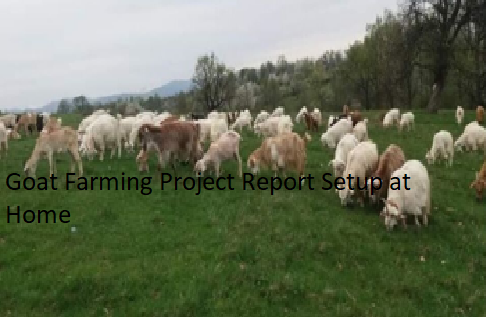
Space management is the most common failure point for home-based farmers, as goats require more than just a small backyard patch to remain healthy. For a small herd of 10 to 20 goats, you generally need at least 0.5 to 1 acre of land to allow for rotational grazing and to prevent the buildup of soil-borne parasites.
If you are keeping goats primarily for milk production, you will need approximately 15 to 20 square feet of indoor space per goat to ensure they have adequate room to move and rest. High-intensity browsing or stall-fed systems require less land but significantly higher labor and feed costs, so calculate these inputs carefully in your project report.
Shelter and Infrastructure Specifications
Goats are highly sensitive to damp conditions and drafts, making a dry, well-ventilated shelter the most important physical asset you will build. Your shelter should be constructed with a raised floor, preferably slatted or made of wood, to allow urine to drain away and keep the animals off the cold ground.
A roof height of at least 7 to 8 feet is recommended to facilitate proper airflow and to allow you to clean the area comfortably. You must install a perimeter fence at least 4 to 5 feet high using woven wire or high-tensile electric fencing to prevent escape and deter local predators like coyotes or stray dogs.
Selecting the Right Breed for Your Goals
Your choice of breed will determine your income stream, whether you are focusing on milk, meat, or fiber production. Dairy breeds like Nubian, Alpine, or Saanen are popular for home setups because they have high milk yields but require more intensive management and high-quality feed.
If you prefer a meat-focused operation, Boer goats are the industry standard due to their rapid growth rates and high meat-to-bone ratio. Research the specific climate adaptability of your chosen breed, as some high-production dairy goats struggle in extreme heat or humidity without specialized housing modifications.
Feeding Strategies and Cost Control
Feed costs represent approximately 60% to 70% of your total operational expenses, making it the most important line item in your goat farming project report setup at home. You should prioritize high-quality alfalfa or grass hay, supplemented with a mineral block specifically formulated for goats to prevent deficiencies like copper toxicity or selenium deficiency.
If you have enough land for rotational grazing, you can reduce your hay reliance by roughly 30% during the peak growing season. Always ensure that you have access to a reliable, clean water source, as a lactating goat can consume up to 2 to 3 gallons of water per day.
Health Management and Preventative Care
A successful home operation relies on a proactive health schedule rather than reactive treatment after an animal becomes ill. You must establish a relationship with a local veterinarian who specializes in small ruminants to handle routine vaccinations, hoof trimming, and parasite control.
Develop a strict deworming protocol based on fecal egg counts, as over-reliance on chemical dewormers leads to rapid resistance in goat populations. According to the eXtension Foundation, maintain an isolation area for new arrivals to ensure you do not introduce contagious diseases like Caseous Lymphadenitis into your existing herd.
Operational Data for Financial Tracking
To keep your project viable, you must track your inputs and outputs with the same rigor as a commercial entity. Use a simple spreadsheet to log daily milk production, feed consumption, and veterinary costs for every individual animal in your herd.
This data allows you to identify your “boarders”—animals that cost more in feed and care than they return in profit—and cull them from your breeding program. The following table provides a breakdown of typical cost categories you should include in your internal documentation.
| Expense Category | Estimated Annual Allocation (%) | Primary Driver |
|---|---|---|
| Feed and Nutrition | 65% | Hay, grain, and supplements |
| Veterinary/Medical | 15% | Vaccines, dewormers, vet fees |
| Infrastructure/Maintenance | 10% | Fence repair, shelter upkeep |
| Utilities/Miscellaneous | 10% | Water, electricity, equipment |
Marketing and Revenue Streams
Diversifying your income is essential for home-based goat farmers who cannot compete with the economies of scale found in large-scale commercial dairies. Consider selling value-added products like goat milk soap, artisanal cheese, or composted manure, which often command higher margins than raw milk or meat.
Direct-to-consumer sales through farmers’ markets or social media platforms can bypass middleman fees and help you build a loyal local customer base. Focus on transparency and quality, as customers who buy from home farms are usually looking for sustainable, humanely raised products they cannot find in standard grocery stores.
Common Challenges and Mitigation
Even with a perfect project report, you will face operational hurdles that require quick thinking and consistent effort. Predator pressure is a constant threat, and you should consider guardian animals like Great Pyrenees dogs or donkeys if your property is in a high-risk area.
Another common issue is the high labor requirement for milking, which must be done twice daily without fail to maintain production and animal health. Be prepared for the physical demands of the job, as chores do not stop for holidays, bad weather, or personal illness.
Frequently Asked Questions
How much land do I need for 10 goats?
You generally need at least half an acre for 10 goats to ensure they have enough space to browse without overgrazing the land, which leads to parasite accumulation. If you plan to keep them in a dry lot and feed them primarily hay, you can manage them on a smaller plot, but you must invest more in waste removal systems.
What are the most common diseases in home-based goat herds?
The most frequent issues are internal parasites, such as stomach worms, and respiratory infections caused by poor ventilation in shelters. Maintaining a dry living environment and keeping a clean, low-stress herd will significantly lower the risk of these common ailments.
Is it profitable to start goat farming at home?
Profitability is achievable, but it depends heavily on your ability to sell value-added products like cheese or soap rather than just selling raw milk or meat. You must treat the operation as a business, tracking every dollar spent on feed and medicine to ensure you are not losing money on inefficient animals.
How do I start a goat farming project report setup at home?
Start by documenting your available land, budget, and local market demand before buying any animals. Use a template to list your startup costs, recurring monthly expenses, and projected income, then revise these figures as you gain experience with your first few goats.
Do I need a license to sell goat milk from home?
Regulations vary significantly by state and country, so you must check your local department of agriculture or health department guidelines before selling any dairy products. Some jurisdictions strictly prohibit raw milk sales, while others allow them under specific permits and testing requirements.
Conclusion
Starting a home-based operation requires careful planning and a commitment to animal welfare that goes beyond simple profit margins. By building a thorough goat farming project report setup at home, you create a roadmap that helps you manage your finances, track your herd’s health, and scale your production sustainably. Focus on high-quality nutrition and strict biosecurity to keep your costs down and your herd productive.
As you gain confidence, look for ways to diversify your income through value-added products that leverage your farm’s unique story. If you stay consistent with your record-keeping and maintenance, your small-scale venture can become a reliable source of supplemental income and a rewarding lifestyle project on your own property.
