

Managing a healthy herd requires more than just good pasture and high-quality hay. Developing a consistent goat farming record keeping vaccination calendar is the single most effective way to prevent disease outbreaks and track individual animal performance. Without a structured system, it is nearly impossible to remember which doe received her CD&T booster or when a buck is due for his annual deworming.
By moving from mental notes to a written or digital log, you ensure that every animal receives the care it needs exactly when it is required. This practice directly correlates with lower mortality rates and higher profitability for your farm.
The most critical component of a successful health program is the CD&T vaccine, which protects against Clostridium perfringens types C and D and Tetanus. You must administer this vaccine to kids at approximately 8 to 12 weeks of age, followed by a booster four weeks later. Adult goats require an annual booster to maintain immunity levels.
If you are breeding, provide the pregnant doe with her booster four weeks before she is due to kid. This ensures that she passes high levels of antibodies through her colostrum to her newborn kids.
Why Documentation Saves Money
Record keeping is not merely an administrative chore; it is a financial necessity for any livestock producer. When you track every vaccine, supplement, and medication administered, you prevent the dangerous practice of double-dosing or missing a critical window.
Consistent documentation also helps you identify animals that are frequent flyers for health issues, allowing you to make informed culling decisions. If you ever plan to sell your goats, providing potential buyers with a clean, detailed health history adds significant value to your stock.
Essential Components of Your Health Log
Your system should be simple enough to use daily but detailed enough to hold up under scrutiny. Whether you use a physical binder or a mobile app, you need to capture specific data points for every single goat on the property.
Avoid relying on memory, even if you only have three or four animals. A small error in dosage or timing can lead to severe health consequences or, in some cases, the death of a valuable animal.
* Individual animal identification (ear tag number, name, or tattoo)
* Date of the procedure or vaccination
* Specific product name and serial number
* Dosage amount administered
* Route of administration (subcutaneous or intramuscular)
* Withdrawal period for meat or milk consumption
Understanding Vaccination Requirements
Beyond the standard CD&T, your specific needs depend heavily on your geographic location and local disease pressures. Some regions require vaccination against Caseous Lymphadenitis (CL), while others focus heavily on Pneumonia prevention.
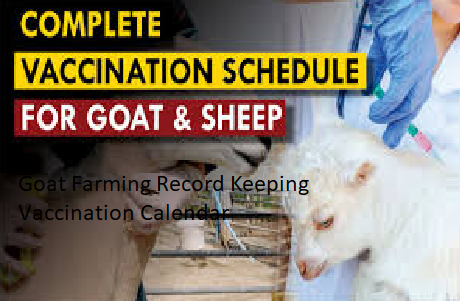
You should consult with a local veterinarian to tailor your goat farming record keeping vaccination calendar to the specific risks in your area. For comprehensive veterinary guidance, refer to the resources provided by the Merck Veterinary Manual, which outlines standard health protocols for small ruminants.
Structuring the Annual Calendar
A seasonal approach to your health calendar works best for most homesteaders and commercial producers. By breaking the year into quarters, you can align your medical interventions with natural herd milestones like breeding, kidding, and weaning.
This prevents you from trying to remember everything at once during the busy kidding season. Keep a copy of this schedule in your barn where it is easily accessible during chores.
| Season | Primary Focus | Key Health Tasks |
|---|---|---|
| Spring | Kidding & Weaning | CD&T for kids, copper bolus, parasite screening |
| Summer | Pasture Management | FAMACHA eye scoring, hoof trimming, fly control |
| Autumn | Breeding Prep | Annual boosters, mineral supplementation, body scoring |
| Winter | Maintenance | Internal parasite control, housing sanitation, nutrition audits |
The Role of Parasite Management
Internal parasites are often the biggest threat to goat health, and they require their own dedicated section in your records. You should perform regular FAMACHA scoring to monitor the anemia levels of your goats, which indicates the presence of Barber’s Pole worm.
Record these scores alongside your vaccination dates to see if certain individuals are more susceptible to infestations than others. Never deworm your entire herd at once without proof of infection, as this accelerates the development of drug-resistant parasites.
Tracking Medications and Withdrawal Times
If you produce milk or meat for human consumption, your record keeping must include strict adherence to withdrawal periods. A withdrawal period is the length of time you must wait after administering a drug before the animal’s milk or meat can be safely sold.
Failing to track this can result in illegal drug residues in your products, leading to fines or health risks for consumers. Always keep the original product packaging to verify the exact withdrawal days listed by the manufacturer.
Digital Versus Manual Records
Choosing between a paper notebook and a digital spreadsheet depends on your personal preference and technology comfort level. Paper is often more durable in a dusty barn environment, but it does not allow for easy data analysis or searching.
Digital apps allow you to set reminders for upcoming vaccinations, which is a significant advantage for busy farmers. Whichever method you choose, the most important rule is to update the information immediately after the task is performed.
Integrating Nutrition and Health
Your health records should also reflect the nutritional status of your herd. Goats that are undernourished or mineral-deficient are significantly more prone to disease and have weaker immune responses to vaccines.
By logging your mineral intake and forage quality alongside your medical records, you can spot correlations between diet and illness. If you notice a spike in respiratory issues, check your records to see if it coincides with a switch in hay quality or a period of high humidity.
Handling Veterinary Records
When a veterinarian visits your farm, you should present them with your organized log. This provides them with an accurate picture of the herd’s history, allowing for faster and more accurate diagnoses.
If you have been consistent with your goat farming record keeping vaccination calendar, the vet will spend less time guessing and more time treating the issue at hand. This efficiency reduces your veterinary bills and keeps your animals in the best possible hands.
Common Mistakes to Avoid
Many farmers fall into the trap of skipping records during the busy months of spring. This is exactly when you need them the most, as the high volume of births makes it easy to lose track of which kid received which shot.
Another common mistake is failing to record the serial numbers of vaccines. If a specific batch of vaccines is recalled, you need to know exactly which animals were treated with that specific lot.
Addressing Herd Biosecurity
Your record keeping should also include quarantine procedures for any new animals entering the herd. When you bring a new goat home, record the date of arrival and the isolation period.
List any tests performed, such as testing for CAE (Caprine Arthritis Encephalitis) or Johnes disease. This protects your established herd from introducing new diseases that could be devastating to your operation.
FAQ
How often should I give the CD&T booster to my adult goats?
Adult goats should receive a CD&T booster once every 12 months. Some producers prefer to time this booster about a month before the does are expected to kid to maximize the antibodies transferred to the kids.
What is the most important information to record for every vaccination?
You must record the date, the specific name of the vaccine, the dosage, the route of administration, and the lot or serial number found on the packaging. Keeping this data ensures you can track the efficacy of the product and manage potential recalls.
Can I use the same vaccination schedule for sheep and goats?
While both are small ruminants, their nutritional and health needs differ, particularly regarding copper supplementation. You should always use a vaccination schedule tailored specifically for goats, as their metabolism and disease susceptibility are unique.
What should I do if I miss a scheduled vaccination date?
If you miss a dose, administer it as soon as you realize the mistake. If the delay is significant, consult with your veterinarian to see if an additional booster is required to ensure the animal develops sufficient immunity.
How do I keep records if I have a large herd?
For larger herds, individual physical folders become unmanageable. Consider using herd management software or a structured spreadsheet that allows you to filter by animal ID, age, or medical status.
Final Thoughts on Herd Management
Building a sustainable operation requires discipline, and your health records are the backbone of that effort. By maintaining a clean, accurate goat farming record keeping vaccination calendar, you move from reactive crisis management to proactive herd care. This shift not only improves the individual well-being of every animal in your care but also stabilizes your farm’s productivity over the long term.
Start today by creating a simple log for your current herd, and you will quickly see the benefits of having clear, actionable data at your fingertips. Consistent monitoring is the surest path to a thriving, healthy, and profitable goat farm.
