

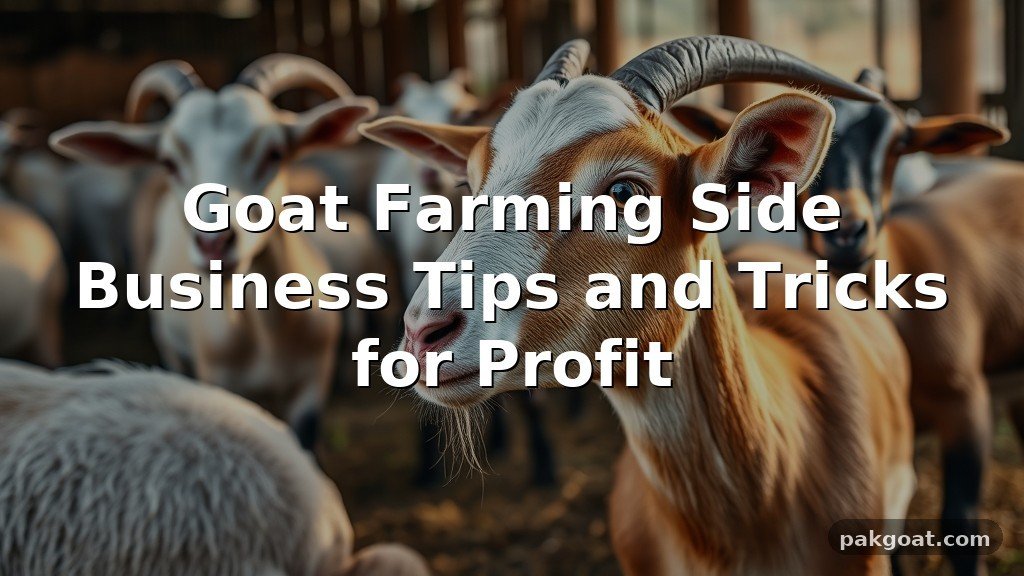
Mastering goat farming side business tips and tricks requires a balance of agricultural knowledge and lean financial planning. Many hobbyists start with a small herd to manage land or produce fresh milk, but turning that passion into a reliable secondary income stream demands specific operational strategies.
By focusing on high-demand products like artisanal cheeses, fiber, or breeding stock, you can create a sustainable model that fits around your primary career. This article explores the essential management practices, cost-saving measures, and marketing tactics that distinguish profitable operations from expensive hobbies, helping you build a resilient enterprise from the ground up.
Profitability and Financial Realities
The most common question for beginners is whether these animals can actually generate a profit. You can expect a net profit margin of roughly 15% to 25% once your infrastructure is paid off, provided you manage your feed costs effectively. Many small-scale farmers find that selling raw milk or meat directly to consumers fetches a higher premium than selling to wholesale auction houses.
To reach profitability, you must avoid over-capitalizing on expensive barns or machinery in the first year. Focus your budget on high-quality breeding stock rather than aesthetic, non-functional farm buildings. A small herd of 10 to 15 does is typically the sweet spot for a side business, as it allows for manageable labor requirements while producing enough offspring to see a return on investment within 24 months.
Selecting the Right Breed for Your Goals
Not all goats are created equal, and your choice of breed dictates your primary revenue stream. If your goal is milk production, the Nubian or Alpine breeds are industry standards due to their high butterfat content and consistent yields. Those looking for a low-maintenance, high-value option often turn to Nigerian Dwarf goats, which are highly sought after as family milkers and pets.
For farmers interested in fiber production, the Angora or Cashmere goat is the logical choice. These animals require more frequent grooming and specialized shearing, but the raw fiber commands a high price per pound from local spinning guilds. Consider the following breakdown of common goat breed profiles to help align your livestock with your local market demand:
| Breed Type | Primary Output | Maintenance Level |
|---|---|---|
| Nubian | High-fat milk | Moderate |
| Nigerian Dwarf | Milk/Pet sales | Low |
| Boer | Meat | High |
| Angora | Mohair fiber | High |
Infrastructure and Land Management
You do not need hundreds of acres to run a successful goat operation. A general rule of thumb is that you can support 6 to 8 adult goats per acre, assuming you practice rotational grazing. This method prevents overgrazing and reduces the parasite load on your pasture, which is a major hidden cost for many farmers.
Investing in high-quality perimeter fencing is your most important infrastructure expense. Goats are notorious escape artists and will exploit any weakness in wire or gate latches.
Use woven wire fencing at least 48 inches high to keep your herd secure and protected from predators. You can find detailed resources on livestock safety and pasture management through the USDA Natural Resources Conservation Service website.
Minimizing Feed and Healthcare Costs
Feed typically accounts for 60% to 70% of your total operational expenses. To keep costs down, prioritize high-quality hay during the winter months and maximize pasture time during the growing season. Many successful farmers partner with local breweries to source spent grains or contact local produce markets for vegetable scraps, which can supplement the herd’s diet significantly.
Healthcare is another area where preventative measures save you thousands in vet bills. Keep a well-stocked medical kit that includes basic supplies like electrolytes, antiseptic spray, and a thermometer. Learning to perform basic tasks like hoof trimming, FAMACHA scoring for parasite detection, and administering vaccines yourself will significantly improve your bottom line.
Marketing Your Goat Products
Selling your products directly to the consumer is the fastest way to increase your margins. If you are selling meat, learn the local regulations regarding mobile butchering or licensed processing facilities. Many states allow for direct farm-to-consumer sales of goat meat if the animals are processed at an approved site.
For milk and dairy products, the regulations are often stricter and vary significantly by jurisdiction. Many small farmers find success by selling “pet milk” or soap-making supplies if their state prohibits the sale of raw dairy for human consumption. Use social media platforms like Instagram or Facebook to showcase your herd’s health and living conditions, as customers are often willing to pay a premium for transparent, ethical farming.
Key Milestones for New Farmers
Building a successful goat farming side business requires a phased approach to avoid burnout and financial strain. Start by focusing on herd health and basic infrastructure before attempting to expand into value-added products like cheese or yarn. Your first year should be dedicated entirely to learning the temperament of your animals and establishing a routine.
* Months 1-6: Secure fencing, build basic shelter, and purchase healthy, disease-tested starter stock.
* Months 6-12: Establish a routine for milking or breeding and begin networking with local farmers’ markets.
* Year 2: Evaluate the profitability of each individual animal and cull those that are not meeting production goals.
* Year 3: Explore value-added products like goat milk soap, lotions, or specialty cheeses to diversify income.
Diversifying Revenue Streams
Relying on a single source of income can be risky when dealing with livestock. A diversified operation might include selling breeding stock, meat, fiber, and surplus milk all at once. Some farmers even rent out their goats for brush clearing services, which is an increasingly popular way to monetize a herd without needing to sell them for slaughter.
Brush clearing is especially lucrative in suburban areas where homeowners want to manage invasive species like kudzu or poison ivy without using chemicals. You can charge by the day or by the acre, provided you have a mobile, sturdy trailer to transport the animals. This creates a secondary, service-based income stream that complements your primary production goals.
Scaling Up and Sustainability
Once you have mastered the basics, scaling up requires careful planning to ensure you don’t lose the efficiency that made the business viable in the first place. Avoid the temptation to buy more goats than your land can comfortably sustain. If you find your pasture is being stripped bare, it is time to either lease more land or reduce your herd size.
Maintain meticulous records of every dollar spent on feed, medicine, and equipment. A simple spreadsheet tracking the cost per doe against the revenue generated by her kids or milk will tell you exactly which animals are assets and which are liabilities. This data-driven approach is the secret to long-term success in what can otherwise be a very unpredictable industry.
Final Thoughts on Profitable Farming
Building a profitable goat operation is entirely possible when you treat your animals as a business rather than a hobby. By focusing on low overhead, high-value products, and rigorous record-keeping, you can turn a small plot of land into a consistent secondary income source. Implementing these goat farming side business tips and tricks requires patience, as your herd needs time to mature and your market needs time to grow.
Start small, prioritize the health of your animals above all else, and adapt your strategies as you gather data from your first few seasons. With steady management and a clear focus on your target market, you can establish a rewarding and financially sustainable side business that supports your lifestyle for years to come.
