

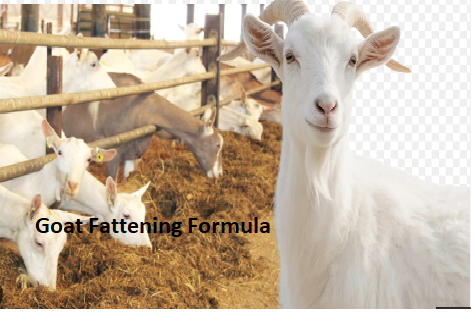
Achieving optimal weight gain in livestock requires a strategic approach to nutrition, specifically when utilizing a balanced goat fattening formula to maximize growth rates. Producers must focus on protein density, energy availability, and mineral supplementation to ensure their animals reach market weight efficiently.
By understanding the metabolic needs of your herd, you can move away from generic feeding practices toward a targeted, data-driven strategy that improves your bottom line. This article explores the precise nutritional requirements and management techniques necessary to turn your feeding program into a successful enterprise.
The core of a successful goat fattening formula is a precise ratio of energy-dense grains and high-quality protein sources designed to support rapid muscle development. In professional operations, a standard mixture often consists of 60% to 70% energy-providing grains such as maize, barley, or oats, balanced with 20% to 30% protein-rich ingredients like soybean meal or sunflower cake.
To ensure the animal remains healthy while gaining weight, you must include a 5% to 10% mineral and vitamin premix to prevent metabolic disorders. This specific combination allows for a steady conversion rate, typically targeting an average daily gain of 100 to 150 grams per animal.
Understanding Nutrient Density
The metabolic efficiency of a goat depends on the concentration of digestible nutrients within their daily ration. Energy is the primary driver of weight gain, and it is usually derived from carbohydrates found in cereal grains.
Protein, conversely, provides the essential amino acids required to build muscle tissue rather than just storing fat. If the energy-to-protein ratio is unbalanced, the animal may either stop growing or develop excessive, undesirable fat deposits around the internal organs.
Energy Sources for Rapid Growth
Maize is widely considered the gold standard for energy in a goat fattening formula because of its high starch content and palatability. Barley acts as a reliable alternative, especially in climates where corn production is less consistent, though it requires cracking or rolling to improve digestibility. For smaller operations, wheat bran can serve as a secondary energy source, provided it is balanced with higher-energy grains to ensure the total caloric density remains sufficient for rapid weight gain.
Protein Requirements for Muscle Mass
Muscle growth is strictly limited by the availability of amino acids in the animal’s bloodstream. Soybean meal is the most effective plant-based protein source, offering a highly digestible profile that goats process quickly.
Sunflower cake or cottonseed meal are viable, cheaper alternatives, but they often contain higher fiber levels that can slightly slow down the absorption rate. Always ensure the protein source is free from mold and contamination, as digestive health is the primary factor in feed conversion efficiency.
Mineral and Vitamin Supplementation
A goat fattening formula is incomplete without a robust mineral pack to support bone development and enzyme function. Calcium and phosphorus must be maintained in a ratio of approximately 2:1 to prevent urinary calculi, a common and often fatal condition in male goats fed high-grain diets.
Trace minerals like selenium, copper, and zinc are equally critical for immune system health. You can find more detailed information on livestock mineral requirements through the United States Department of Agriculture agricultural research databases.
The Role of Fiber in Digestion
Goats are ruminants, meaning they require a baseline of roughage to maintain healthy rumen function. Even in a high-calorie fattening program, you should provide at least 15% to 20% long-stem forage or hay to prevent acidosis.
This fiber acts as a buffer in the rumen, allowing the animal to process the concentrated grain ration without experiencing severe digestive upset or bloating. Without this fibrous structural base, the rumen pH can drop too low, leading to poor appetite and weight loss.
Calculating Feed Costs and Expected Returns
Effective management involves tracking the cost-per-kilogram of your feed mixture against the market value of the finished animal. A typical fattening cycle lasts between 90 and 120 days, depending on the starting weight and the breed’s genetic potential.
By calculating the total feed intake versus the total weight gain, you can determine your feed conversion ratio, or FCR. An efficient FCR typically falls between 5:1 and 7:1, meaning the goat requires five to seven kilograms of feed to produce one kilogram of live weight gain.
| Ingredient Type | Typical Inclusion Rate | Primary Function |
|---|---|---|
| Energy Grains | 65% | Caloric density |
| Protein Sources | 25% | Muscle synthesis |
| Mineral/Vitamin Premix | 5% | Metabolic health |
| Fiber/Roughage | 5% | Rumen stability |
Practical Management Milestones
Success in livestock fattening is rarely about the formula alone; it requires strict adherence to a daily schedule. You must ensure clean water is available at all times, as water intake is directly correlated with feed intake.
Dehydration will immediately halt the growth process, regardless of how well-balanced your feed is. Additionally, implement a strict deworming schedule, as internal parasites are the leading cause of weight loss in managed goat populations.
- Weight gain tracking: Weigh animals every 14 days to monitor progress.
- Water access: Ensure troughs are cleaned and refilled twice daily.
- Parasite control: Administer anthelmintics at the start of the 90-day cycle.
- Feed transition: Gradually introduce the high-energy ration over 10 days.
- Sorting: Separate animals by size to prevent bullying at the feed trough.
Transitioning to a High-Concentrate Diet
Never move a goat from a pasture-based diet to a high-grain fattening formula overnight. The rumen microflora needs time to adapt to the sudden influx of starch.
Start by offering small amounts of the concentrate, increasing the volume by about 10% every two days until the target ration is achieved. Rapid introduction of grains often leads to grain overload, which can cause severe illness or death within hours of feeding.
Troubleshooting Common Weight Gain Issues
If your goats are not gaining weight as expected, the first step is to check for sub-clinical parasite infections. Even if the animal looks healthy, a high worm load can consume a significant portion of the nutrients intended for muscle growth.
If health is not the issue, evaluate the physical form of your feed. If the grain is too finely ground, it can cause digestive irritation, while whole kernels may pass through the animal undigested, wasting your investment.
FAQ
What is the most common mistake when feeding a fattening ration?
The most common mistake is failing to provide enough fiber. While the focus is on energy-dense grains, the rumen requires a structural “mat” of hay or forage to function, and removing this to increase grain volume almost always causes metabolic issues like acidosis.
How long does it take to see noticeable weight gain?
With a high-quality, balanced diet, you should see consistent weight gain within the first 14 to 21 days. By the end of the first month, a healthy goat under ideal management should show a visible change in body condition and muscle rounding.
Can I use urea in my goat fattening formula?
Urea can be used as a non-protein nitrogen source to lower costs, but it must be included with extreme caution. It should never exceed 1% of the total ration, and it must be mixed thoroughly to prevent toxicity, as goats are highly sensitive to rapid ammonia release in the rumen.
Does breed impact the effectiveness of the formula?
Yes, genetic background significantly dictates growth potential. Meat-specific breeds like Boer goats are engineered for rapid muscle deposition and will convert feed more efficiently than dairy-type or dual-purpose breeds, which may store more energy as subcutaneous fat.
Should I feed twice a day or once a day?
Feeding twice a day is superior for weight gain. It encourages higher total daily consumption and maintains a more stable rumen environment compared to a single, large feeding that can cause rapid fluctuations in pH levels.
Conclusion
Mastering the use of a goat fattening formula is a journey of balancing nutritional science with the daily realities of livestock management. By prioritizing high-quality energy and protein sources while maintaining a necessary baseline of fiber, you create an environment where your animals can reach their full growth potential. Always remember that consistency—in feeding times, water quality, and parasite control—is just as important as the ingredients in your bucket.
With careful monitoring of your feed conversion rates and a proactive approach to animal health, you can build a highly productive and sustainable operation. Start by adjusting your current ration based on these principles and observe the changes in your herd’s performance over the next production cycle.
