

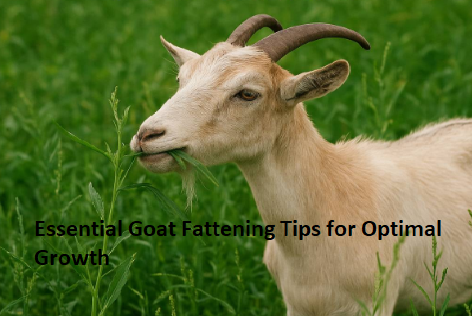
Effective goat fattening tips focus on balancing high-energy nutrition with parasite management to ensure your animals reach market weight efficiently. Farmers often struggle with slow growth rates due to improper feeding schedules or underlying health issues that suppress appetite.
By implementing a systematic approach to caloric intake and housing conditions, you can significantly reduce the time required to finish a goat for sale. This article provides the actionable data needed to optimize weight gain and improve your overall livestock production cycle.
Core Nutritional Requirements for Rapid Weight Gain
To achieve maximum growth, goats require a diet that is significantly higher in energy than what is needed for mere maintenance. You should aim for a feed ration that consists of 60% to 70% concentrate, such as crushed maize, barley, or wheat bran, combined with 30% to 40% high-quality roughage. This high-energy density forces the metabolic system to store excess calories as muscle and fat rather than just burning them for basic movement.
Protein is equally vital, especially for younger goats that are still developing skeletal structure alongside muscle mass. A crude protein level of 14% to 16% is generally recommended for finishing rations.
If the protein levels drop below this threshold, the animal will struggle to synthesize the muscle tissue necessary for a high-quality carcass. Legume hays like alfalfa are excellent sources of protein and provide the necessary calcium for bone development.
Water consumption is the most overlooked factor in weight gain. A goat that is dehydrated will immediately stop eating, as the rumen requires significant moisture to process dry feed into nutrients.
Ensure that clean, fresh water is available 24 hours a day. During hot weather, a goat can consume up to 3 to 5 gallons of water daily, and limiting this intake will halt weight gain instantly.
Managing Parasite Loads for Better Conversion
Internal parasites are the silent killers of profit in the goat farming industry. Even if you provide the best possible feed, heavy worm loads will steal the nutrients before the goat can absorb them.
You must establish a deworming schedule based on FAMACHA scores to prevent over-reliance on chemical treatments. Using an anthelmintic that is effective against the specific worms in your region is critical to success.
Beyond chemical deworming, pasture management plays a massive role in limiting re-infection. Goats that graze on short grass are much more likely to ingest larvae from the soil.
Rotating your grazing paddocks every two to three weeks breaks the lifecycle of most common intestinal parasites. If you are keeping goats in a dry lot for finishing, ensure the area is well-drained to prevent the formation of muddy patches where parasites thrive.
Consider the following table to understand the typical weight gain milestones for a commercial meat goat:
| Growth Phase | Target Daily Gain | Primary Feed Focus |
|---|---|---|
| Weaning to 3 months | 150g – 200g | High Protein Creep Feed |
| 3 to 6 months | 200g – 250g | Energy-Dense Concentrate |
| 6 months to Market | 250g+ | Finishing Ration (Corn/Soy) |
The Role of Minerals and Supplements
Goats have specific mineral requirements that are not always met by pasture or standard hay alone. A loose mineral mix specifically formulated for goats must be provided at all times, as they cannot regulate their own intake of salt and trace elements.
Copper, selenium, and zinc are essential for enzyme function and immune support. Without these, the animal’s metabolism slows down, making it impossible to reach target weights in a reasonable timeframe.
Baking soda is a widely recommended supplement for goats on high-concentrate diets. It helps buffer the rumen, preventing acidosis when the animal consumes large amounts of grain.
If a goat develops mild acidosis, it will show signs of lethargy and reduced appetite. Providing free-choice sodium bicarbonate allows the animal to self-regulate its rumen pH, which is a cornerstone of professional goat fattening tips.
Do not rely on expensive injectable vitamins unless a veterinarian has diagnosed a specific deficiency. Most healthy animals can synthesize enough B-vitamins in their rumen if the fiber-to-concentrate ratio is balanced correctly.
Focus your budget on high-quality forage and consistent grain sources instead of “magic” weight-gain injections. Scientific guidelines from the Penn State Extension highlight that consistent nutrition outperforms short-term medicinal fixes every time.
Housing and Stress Reduction Strategies
Stress is the enemy of weight gain because it triggers the release of cortisol, which breaks down muscle tissue. Goats are social animals and perform best when they have a consistent hierarchy within their pen.
Avoid moving goats to new groups frequently, as the fighting that occurs to re-establish dominance burns valuable calories. Keep the group sizes stable and provide at least 12 to 15 square feet of floor space per animal to prevent overcrowding.
Temperature regulation is another major factor in energy expenditure. When a goat is too cold, it burns through its fat stores just to maintain body heat.
Ensure the shelter is draft-free and dry, especially during winter months. Conversely, during extreme heat, provide shade and ventilation to prevent heat stress, which causes the animal to prioritize cooling over eating.
Cleanliness in the feeding area prevents the spread of diseases that cause weight loss. Feed troughs should be raised off the ground so that goats cannot defecate in their own food.
If goats eat contaminated feed, they are at high risk of coccidiosis. This protozoan disease is a major cause of stunted growth and can lead to permanent damage to the intestinal lining.
Identifying and Correcting Weight Gain Plateaus
When you notice a goat has stopped gaining weight, check the teeth and mouth first. Dental issues, such as abscesses or misaligned jaws, prevent the animal from chewing properly.
If a goat cannot grind its food, it cannot extract the nutrients needed to build muscle. Inspect the mouth for any signs of sores or swelling that might cause pain during eating.
Check the quality of your feed batches for mold or rancidity. Goats are notoriously picky eaters and will refuse to eat grain that has started to sour or develop mold.
Even a small amount of spoiled feed can cause them to go off their feed for several days. Always store grain in airtight, rodent-proof containers to maintain freshness and prevent contamination.
Finally, evaluate the genetic potential of your herd. Some breeds or individual animals are simply not efficient at converting feed into meat.
If you have provided optimal nutrition, managed parasites, and ensured a stress-free environment, but the animal still fails to gain, it may be time to cull that individual. Keeping unproductive animals is a drain on your resources and limits the profitability of your entire operation.
Calculating Feed Conversion Ratios
Understanding your Feed Conversion Ratio (FCR) is the only way to know if your fattening program is actually working. The FCR is calculated by dividing the total weight of feed consumed by the total weight gained over a specific period.
A lower FCR means your goats are more efficient at turning input into profit. Most commercial meat breeds should aim for an FCR between 4:1 and 6:1.
Tracking this data requires keeping a simple logbook or spreadsheet. Record the starting weight of your goats and the exact weight of the feed provided each week.
Calculate the average daily gain by subtracting the initial weight from the final weight and dividing by the number of days. If your FCR is consistently above 7:1, you are likely wasting money on feed that isn’t being utilized correctly.
Use these steps to optimize your feed efficiency:
-
- Gradually introduce concentrates over 14 days to prevent digestive upset.
-
- Ensure the grain is cracked or rolled to improve digestibility.
-
- Provide shade to reduce energy expenditure during the hottest hours.
-
- Monitor individual growth rates to identify and isolate sick animals.
-
- Rotate pastures to keep the parasite load at a manageable level.
Common Mistakes to Avoid in Fattening
One of the most frequent mistakes is the “all or nothing” approach to grain feeding. Some farmers try to force-feed large amounts of grain too quickly, which leads to bloat and potentially fatal digestive issues.
Always increase grain intake in small increments, allowing the rumen microbes enough time to adjust to the new diet. A sudden change in feed composition can cause a drop in weight gain that takes weeks to recover from.
Another error is the failure to provide adequate shelter from rain and wind. A wet, shivering goat is not a growing goat, regardless of how much high-energy feed you provide.
Even in mild climates, a simple three-sided shed can make a massive difference in the animal’s ability to maintain body condition. Keeping the bedding dry is just as important as keeping the roof watertight.
Ignoring the importance of exercise also leads to poor carcass quality. While you want the goats to conserve energy, they still need space to move around to maintain muscle tone.
Keeping goats in extremely cramped, dark pens leads to lethargic animals with poor appetites. Provide enough space for them to exhibit natural behaviors, which keeps their digestive and immune systems functioning at a high level.
Frequently Asked Questions
What is the fastest way to add weight to a goat?
The fastest way is to provide a high-energy, high-protein ration that is balanced with adequate fiber. Supplement this with consistent access to clean water, free-choice minerals, and a rigorous parasite control program.
Why is my goat eating but not gaining weight?
This is almost always caused by a heavy internal parasite load. The worms are consuming the nutrients before the goat can absorb them, so you should test for worms and deworm if necessary.
How often should I offer grain to my goats?
For the best results, split the daily grain ration into two feedings, one in the morning and one in the evening. This prevents gorging and helps maintain a stable rumen pH throughout the day.
Can I use human-grade supplements for my goats?
It is generally better to use supplements specifically formulated for livestock. Human supplements may not contain the correct ratios of minerals, and some may even contain ingredients that are toxic to goats.
How long does the typical fattening period last?
The duration depends on the breed and the starting age, but most intensive fattening programs aim to finish a kid for market within 3 to 4 months after weaning.
Final Thoughts on Livestock Efficiency
Successful goat production relies on a combination of disciplined feeding, proactive health management, and environmental control. By focusing on these specific goat fattening tips, you can ensure that your animals reach their market weight in the shortest time possible while maintaining excellent health. Remember that every extra day a goat spends in the finishing phase adds to your overhead costs, so efficiency is the primary driver of your profit margin.
Start by auditing your current feeding program and ensuring that your mineral and water supplies are consistently meeting the needs of your herd. Keep detailed records of weight gains and feed consumption to identify where you can make improvements.
With consistent effort and attention to these core principles, you will see a measurable difference in the quality and growth rate of your goats. Reach out to local agricultural extension offices if you need help tailoring these strategies to your specific climate and local forage availability.
