

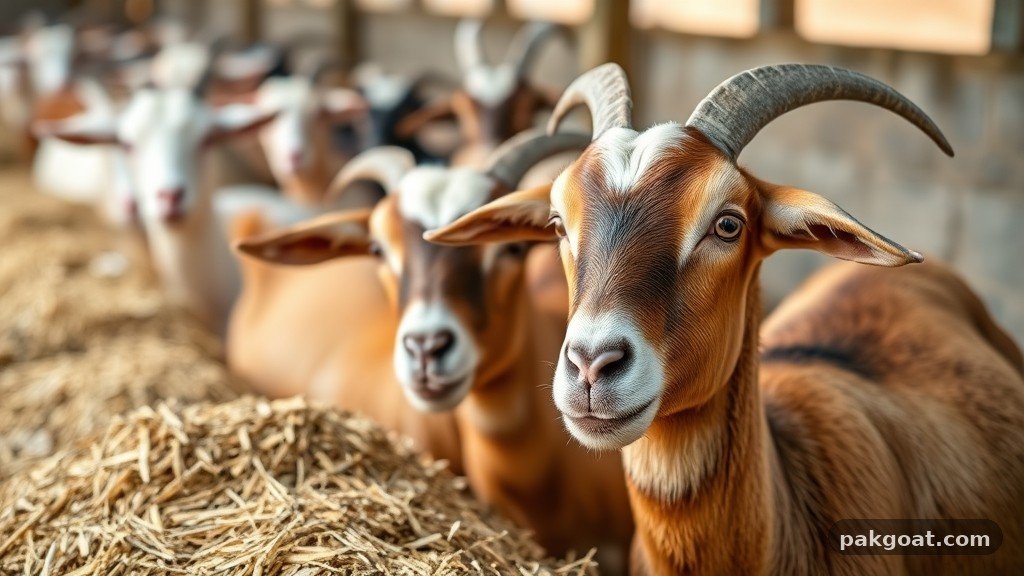
Optimizing a goat feed formula high profit breeds strategy involves balancing nutritional density with the specific metabolic needs of high-yield animals. Farmers who focus on breeds like the Alpine or Boer often find that their return on investment hinges on the precision of their dietary management.
By understanding the relationship between calorie intake and production output, you can significantly reduce waste while increasing the overall health and longevity of your herd. This article explores the essential components of specialized feeding schedules designed to turn your livestock operation into a more efficient and profitable enterprise.
The most profitable goat breeds are generally categorized by their primary output: dairy or meat. Dairy breeds like the Saanen and Alpine consistently top the charts for milk production, often yielding between 3 to 4 liters per day during peak lactation. Meat breeds such as the Boer or Kiko are favored for their rapid weight gain and high dressing percentages at market.
If you are aiming for maximum profitability, the Boer goat remains the gold standard for meat production due to its muscular frame and hardiness. For dairy operations, the Toggenburg and Nubian breeds are highly regarded for their rich milk composition and consistent production cycles.
Nutritional Requirements for High Yields
High-performance goats require more than simple pasture grazing to reach their full genetic potential. A balanced feed formula must integrate protein, carbohydrates, minerals, and vitamins to support the massive energy expenditure required for milk synthesis or muscle development. Protein levels for lactating does should generally stay between 16% and 18% of the total dry matter intake.
Energy-dense feeds, such as corn or barley, are necessary to prevent weight loss during heavy milking periods. Always ensure that the forage-to-concentrate ratio is managed carefully to avoid digestive issues like acidosis.
Comparing Feed Efficiency by Breed
Different breeds process nutrients at varying rates, which directly impacts your bottom line. A meat-focused Boer goat requires a higher concentration of bypass protein to support muscle growth, whereas a dairy goat requires more calcium and phosphorus to prevent milk fever. The following table illustrates the typical dry matter intake and primary nutritional focus for popular high-profit breeds.
| Breed Type | Primary Output | Avg. Feed Cost/Month | Nutritional Focus |
|---|---|---|---|
| Boer | Meat | $12 – $18 | High Protein / Fiber |
| Saanen | Milk | $15 – $22 | Calcium / Energy |
| Nubian | Milk/Butterfat | $14 – $20 | High Energy / Minerals |
| Kiko | Meat | $10 – $15 | Forage Efficiency |
Essential Components of a High-Profit Diet
A successful goat feed formula high profit breeds plan relies on high-quality forage as the foundation. Hay, such as alfalfa or high-quality clover, provides the necessary fiber to keep the rumen functioning correctly. You should supplement this with a custom grain mix tailored to the specific life stage of the animal.
Minerals are often overlooked but are critical for reproduction and immune health. A loose, free-choice mineral salt containing selenium and copper is essential, especially in regions with soil deficiencies.
Managing Feed Costs for Sustainability
Profitability is not just about revenue; it is about controlling the overhead costs associated with feed. Purchasing bulk grains during harvest season can save you 15% to 20% on annual expenses. Growing your own fodder or utilizing managed intensive rotational grazing can significantly offset the cost of commercial supplements.
Always test your forage quality through a laboratory to ensure you aren’t over-supplementing with expensive protein when it isn’t required. Waste reduction is equally vital, so use elevated feeders to prevent goats from trampling and soiling their food.
The Role of Supplements in Growth
While forage and grain form the base, targeted supplements can bridge the gap in a goat feed formula high profit breeds program. Probiotics can help improve gut health, leading to better nutrient absorption and reduced instances of illness. Ammonium chloride is a common, cost-effective additive that helps prevent urinary calculi in male goats, which can save a farmer thousands in veterinary bills.
Electrolytes should be kept on hand for periods of extreme heat or stress to maintain hydration and feed intake. Never rely on generic “all-stock” feeds, as they often lack the specific mineral balance required for optimal goat health.
Seasonality and Metabolic Cycles
Your feeding strategy must shift according to the biological state of your herd. During the dry period, does require a maintenance diet to prevent obesity, which can lead to complications during kidding. As they transition into late gestation, you must increase caloric density to support fetal growth without causing metabolic stress.
Once lactation begins, the dietary requirement skyrockets, and your feed formula must be adjusted to meet these new energy demands. Keeping detailed records of feed intake versus production output allows you to fine-tune these phases for maximum efficiency.
Common Mistakes to Avoid
Many novice farmers fall into the trap of over-feeding grains, which leads to metabolic disorders and unnecessary expense. Feeding too much grain can cause rumen acidosis, which lowers production and can even be fatal. Another common error is failing to provide clean, fresh water at all times.
Water is the most important nutrient, and a drop in intake will immediately lead to a drop in milk production or growth rates. Finally, avoid switching feed brands or formulas abruptly, as this disrupts the rumen microflora and causes significant production dips.
Selecting High-Profit Breeds
When choosing which animals to invest in, look beyond the initial purchase price. A lower-priced goat that requires twice the feed for half the output will quickly become a liability. Focus on breeders who provide health certifications and lineage records indicating high production or growth traits.
For comprehensive information on how to manage these animals, refer to the eXtension Agriculture Network resources on small ruminant nutrition. Investing in quality genetics is the first step in ensuring that your feed investment yields the highest possible profit.
* Select breeds with proven high conversion ratios.
* Prioritize animals with high disease resistance.
* Maintain accurate records of feed consumption per head.
* Implement a rigorous parasite control program.
* Regularly rotate pastures to reduce grain dependency.
* Use automated feeders to ensure consistent daily intake.
Strategic Scaling of Your Operation
As your herd grows, your approach to feeding must transition from small-scale manual management to systemic efficiency. Investing in a commercial mixer-grinder can allow you to formulate your own rations, which is often cheaper than buying pre-mixed pellets. Implementing a weight-tracking system helps you identify which goats are underperforming so you can cull them from the herd.
Profitability in this industry is a numbers game, and those who track their feed-to-gain or feed-to-milk ratios are the ones who stay in business. Consistency is the hallmark of a successful enterprise, so standardize your feeding schedule to minimize animal stress.
Long-Term Financial Outlook
Maximizing the profitability of your goat operation requires a long-term view of asset management. Your feed formula is the primary variable expense that you have direct control over through careful planning and bulk procurement. By focusing on high-profit breeds and optimizing their diet, you create a buffer against market fluctuations in commodity prices.
Keep a close eye on the market demand for goat products in your region, as shifting toward specialized niches like artisanal cheese or high-end chevon can further increase margins. Every dollar saved on feed efficiency is a dollar added directly to your net profit.
The path to a successful goat feed formula high profit breeds program is paved with data, discipline, and attention to detail. By focusing on the unique physiological needs of your chosen breeds, you can move away from generic management and toward a high-performance system. The key takeaways are simple: prioritize high-quality forage, manage mineral intake, and track every unit of output against the cost of inputs.
Start by evaluating your current feed efficiency and identifying where waste can be eliminated. As you refine your approach, you will find that your herd not only becomes more productive but also more resilient and profitable over time. Consistency and precise management remain your greatest assets in this endeavor.
