

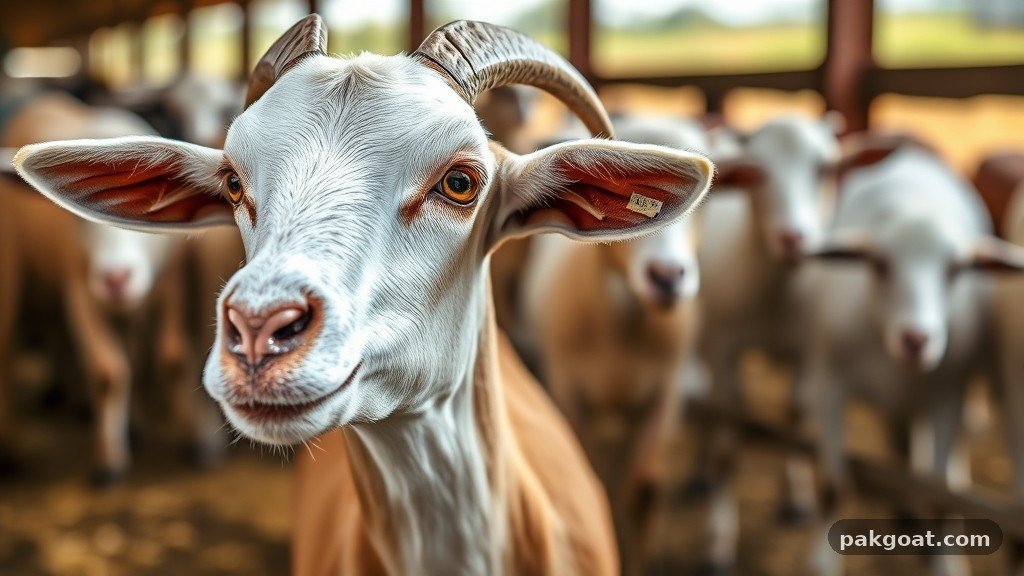
Developing a balanced nutrition plan is the foundation of a healthy herd, and following a goat feed formula step by step guide ensures your animals receive the precise nutrients they require. Goats are ruminants with complex digestive systems that demand a careful balance of fiber, energy, and minerals. By understanding these biological needs, you can formulate rations that improve milk production, growth rates, and overall longevity.
This process involves calculating crude protein, total digestible nutrients, and mineral ratios based on the specific life stage of your goats. Whether you are managing dairy goats or meat breeds, precise formulation prevents costly health issues like acidosis or urinary calculi.
To formulate feed for goats, you must first determine the dry matter intake required for your specific animal’s body weight and production level. A standard rule of thumb is that a goat will consume between 2% and 4% of its body weight in dry matter daily. Start by calculating the animal’s weight in kilograms or pounds, then multiply by the percentage appropriate for its life stage.
For a lactating doe, aim for the higher end of the intake spectrum to support milk volume. Growing kids or dry does generally require less energy density, allowing for a higher proportion of forage. Accurate weighing is essential; do not rely on visual estimates when calculating these baseline requirements.
Nutrient Requirements by Life Stage
Goats have shifting nutritional needs depending on whether they are in maintenance, gestation, or lactation. A dry doe in maintenance requires significantly less energy than a doe peak-milking in the second month of her cycle. You should adjust the crude protein levels in your ration to match these physiological demands.
Maintenance diets typically require 8% to 10% crude protein, while high-producing dairy goats often need 16% to 18% crude protein to maintain body condition. Always prioritize forage quality as the base of the diet before calculating the necessary concentrates to bridge the nutrient gap.
Lactating does also have elevated mineral requirements, particularly for calcium and phosphorus. A proper ratio of 2:1 calcium to phosphorus is critical to prevent urinary calculi in male goats, which can be fatal. If you are using grains as an energy source, be aware that they are often high in phosphorus and low in calcium.
You must compensate for this imbalance by adding a high-quality mineral supplement or balancing the grain with calcium-rich legumes like alfalfa. Monitoring body condition scores helps you adjust these formulas over time to prevent obesity or weight loss.
Understanding Forage and Energy Sources
Forage is the single most important component of any goat feeding program. Goats are browsers by nature, meaning they prefer a diverse diet of shrubs, weeds, and grasses rather than just lawn-quality pasture. High-quality hay, such as orchard grass or alfalfa, provides the necessary long-stem fiber for proper rumen function.
You should aim for your forage to provide at least 70% of the daily dry matter intake for the herd. Relying too heavily on grain-based concentrates can lead to severe metabolic disorders and shorten the lifespan of your goats.
Energy density in the ration is typically managed through the inclusion of grains or high-quality silage. Corn, oats, and barley are common energy sources, each offering different starch profiles and fiber content. Oats are generally considered safer due to their higher fiber content, which reduces the risk of rapid fermentation in the rumen.
When incorporating these, ensure they are crushed or rolled rather than finely ground, as dust can cause respiratory issues. Always introduce new energy sources gradually over a period of 10 to 14 days to allow the rumen microbes to adapt.
Calculating Protein and Energy Ratios
Formulating a ration requires balancing the total energy, expressed as Total Digestible Nutrients (TDN), against the protein content. A standard dairy goat ration might aim for 65% to 70% TDN for optimal milk production. You can use the Pearson Square method to calculate the proportions of two ingredients to reach a target protein percentage.
For example, if you are mixing a 16% protein supplement using a 20% protein grain mix and 10% protein hay, the math dictates the exact ratio required. This systematic approach eliminates guesswork and ensures every scoop of feed provides consistent nutritional value.
Common Feed Ingredient Profiles
| Ingredient | Crude Protein (%) | TDN (%) | Primary Use |
|---|---|---|---|
| Alfalfa Hay | 15-18 | 60 | Protein/Calcium |
| Shelled Corn | 9 | 90 | Energy |
| Whole Oats | 12 | 75 | Energy/Fiber |
| Soybean Meal | 44 | 80 | Protein Supplement |
| Wheat Bran | 15 | 70 | Fiber/Phosphorus |
The Role of Minerals and Vitamins
Minerals and vitamins are the catalysts that allow goats to utilize the energy and protein in their feed. A loose mineral mix specifically designed for goats is mandatory, as cattle or sheep minerals often contain incorrect levels of copper. Goats require copper for proper immune function and coat health, but sheep can be poisoned by the same levels.
Ensure your mineral source includes selenium, which is often deficient in many regional soils and critical for preventing white muscle disease in kids. You can learn more about these requirements through the eXtension Foundation, which provides research-based data on small ruminant nutrition.
Vitamins A, D, and E are typically provided through high-quality forage and sunlight exposure. If your goats are housed indoors for long periods, you may need to supplement these vitamins through a fortified grain mix or injectable options prescribed by a veterinarian. Salt should always be available free-choice, either in block or loose form, to regulate water intake and electrolyte balance.
Watch for signs of deficiency, such as rough hair coats, poor growth, or frequent reproductive failures. These are often the first indicators that your mineral supplementation strategy needs an adjustment.
Implementing the Feeding Schedule
Consistency is the golden rule of ruminant nutrition. Feeding at the same time every day prevents digestive upset and keeps the rumen environment stable. Split the total daily ration into at least two feedings, especially for high-producing animals.
This practice prevents the “slug feeding” effect, where large amounts of grain lead to a rapid drop in rumen pH. Always provide fresh, clean water, as goats will significantly reduce their feed intake if their water source is unappealing or frozen.
Monitor the refusal rate of your forage to determine if you are overfeeding or if the quality is lower than expected. If your goats are picking through the hay and leaving the stems, they are likely getting enough high-quality nutrients but wasting the lower-quality fiber. You can improve intake by utilizing a hay feeder that prevents the goats from trampling the feed into the bedding.
Proper storage of feed is equally important to prevent mold growth. Moldy feed can contain mycotoxins that cause sudden illness and long-term reproductive damage.
Monitoring and Adjusting Rations
A goat feed formula step by step guide is not a static document; it is a living plan that must evolve with your herd. Use a body condition scoring system to track the health of your goats on a scale of 1 to 5. A score of 3 is generally ideal, representing a goat with moderate fat cover over the ribs and spine.
If your average herd score drops below 2.5, increase the energy density of your ration immediately. Conversely, if your dry does are becoming obese, you must limit their access to high-energy concentrates to prevent pregnancy toxemia.
Record-keeping is your best tool for long-term success. Maintain a log of feed intake, milk production, and health events to identify patterns. If you notice a drop in milk volume, check your records to see if a change in forage source or grain batch coincides with the decline.
You might find that a specific shipment of hay has lower protein content than the previous batch, necessitating an increase in supplement. These small, data-driven adjustments are what differentiate a struggling operation from a thriving, productive herd.
Common Mistakes to Avoid
Many beginners make the mistake of feeding goats like pets rather than livestock. Giving excessive amounts of table scraps, bread, or sweet treats can disrupt the delicate balance of the rumen bacteria. These items are often high in sugar and starch, which can trigger severe acidosis.
Another common error is failing to transition between feed types. Always allow at least two weeks to switch from a summer pasture-based diet to a winter hay-based ration to prevent major digestive stress.
Avoid purchasing “all-purpose” livestock feeds, as they rarely meet the specific requirements of goats. A feed formulated for horses or cattle often lacks the necessary copper levels or contains urea, which can be toxic to goats in high amounts.
Always read the ingredient label carefully, looking for high-quality protein sources like soybean meal rather than low-quality fillers. By focusing on species-specific requirements, you ensure that every dollar spent on feed contributes directly to the productivity and health of your animals.
- Test your hay for nutrient content to ensure your formula is accurate.
- Keep feeders clean to prevent the spread of bacteria and parasites.
- Provide free-choice access to loose minerals rather than blocks.
- Ensure water troughs are scrubbed weekly to encourage hydration.
- Separate animals by nutritional needs to prevent competition at the feeder.
- Consult with a large animal nutritionist if you are formulating for a large herd.
Long-Term Nutritional Management
Success in goat farming is built on the daily discipline of proper feeding. By following a structured goat feed formula step by step guide, you create an environment where your animals can reach their full genetic potential. Remember that nutrition is an investment, not an expense.
High-quality feed leads to better reproductive rates, faster growth in kids, and higher milk yields, all of which directly impact your bottom line. As you become more comfortable with these calculations, you will find that you can troubleshoot health issues much faster by simply looking at the ration.
Continue to observe your herd closely, as individual goats may have unique needs that deviate from the standard calculations. Some animals are simply more efficient converters of feed than others. Keep an eye on those outliers and adjust their individual rations if necessary to maintain herd uniformity.
By combining scientific principles with careful observation, you will master the art of feeding. Whether you are aiming for show-quality animals or a productive dairy operation, your commitment to balanced nutrition is the most effective way to ensure the long-term success of your farm.
