

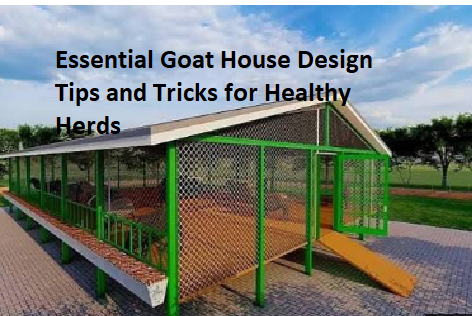
Implementing effective goat house design tips and tricks is the cornerstone of maintaining a healthy, productive, and stress-free herd. Goats are notoriously sensitive to environmental conditions, particularly moisture, drafts, and extreme temperatures, which makes proper shelter construction a non-negotiable aspect of responsible livestock management. Whether you are building a simple lean-to or a sophisticated barn, the core principles remain the same.
By focusing on ventilation, drainage, and structural integrity, you create a living space that prevents common health issues like pneumonia and hoof rot. This article explores the technical requirements and practical strategies for building a shelter that keeps your animals comfortable through every season.
Core Requirements for Goat Shelter Dimensions
You need to provide at least 12 to 15 square feet of floor space per standard-sized dairy goat to ensure they have enough room to move without conflict. If you are housing smaller breeds like Nigerian Dwarfs, you can scale this down to 8 to 10 square feet per animal.
Overcrowding is a primary driver of aggression and disease spread in goat herds. When goats lack sufficient personal space, they become stressed, which lowers their immune system effectiveness.
Always account for additional space for kidding pens, medical isolation, and storage for hay or equipment. A common mistake is building for the current herd size without considering potential growth or the need for temporary separation.
If you plan to add more goats in the future, build at least 20% larger than your current needs dictate. This extra buffer also helps with cleaning and general airflow within the structure.
Optimal Orientation and Ventilation Strategies
The most critical factor in goat house design tips and tricks is the orientation of the structure relative to the prevailing wind. In the Northern Hemisphere, you should face the open side of your shelter toward the south or southeast.
This orientation maximizes sun exposure during the winter months while protecting the interior from harsh, cold northern winds. Proper orientation significantly reduces heating costs and keeps the bedding dry.
Ventilation is equally vital, but it must be managed to avoid drafts. Goats are highly susceptible to respiratory illnesses caused by stagnant, ammonia-rich air.
You should install high-level vents or gaps near the roofline to allow moisture and warm air to escape. Ensure these vents are positioned above the height of the goats to prevent a direct draft from hitting them while they sleep.
Managing Moisture and Flooring Systems
Flooring is the most frequent site of failure in poorly designed goat shelters. A dirt floor is often inadequate because it retains moisture, becomes muddy, and harbors parasites like coccidia.
Concrete is an excellent, durable option, but it must be covered with a thick layer of absorbent bedding to prevent cold-transfer and joint issues. If you choose wood, use pressure-treated lumber for the base, but ensure it is elevated to promote airflow underneath.
A common industry standard for flooring is the deep litter method, where you add fresh layers of straw or wood shavings over existing bedding. This process creates a composting effect that generates a small amount of heat during winter.
You must clean the shelter thoroughly at least twice a year to prevent the buildup of pathogens. For further guidance on managing livestock environments, consult the eXtension Foundation for peer-reviewed agricultural resources.
Comparison of Flooring Materials
| Flooring Type | Durability | Moisture Control | Cost |
| :— | :— | :— | :— |
| Packed Dirt | Low | Poor | Very Low |
| Pressure-Treated Wood | Medium | Moderate | Moderate |
| Concrete | High | Excellent | High |
| Rubber Mats | High | Good | Moderate |
Structural Integrity and Predator Protection
Goats are naturally curious and destructive, often testing the limits of their enclosure by rubbing against walls or chewing on protruding parts. Use materials that can withstand this abuse, such as thick plywood or heavy-duty wire panels.
Avoid using thin materials like corrugated plastic for lower wall sections, as these will likely be kicked through or shattered within a few months. All hardware, including latches and hinges, must be heavy-duty and secure.
Predator proofing is a non-negotiable design element in most rural environments. Coyotes, stray dogs, and bobcats can easily jump over low fences or squeeze through small gaps.
Your structure should have a roof that prevents climbing animals from gaining entry. Ensure that all doors have locking mechanisms that cannot be opened by a goat’s dexterous lips or a predator’s paws.
Essential Features to Include in Your Build
Every functional goat house should include specific internal features that facilitate daily management tasks. A dedicated hay feeder is essential for reducing waste and preventing goats from soiling their food.
Place the feeder high enough so they cannot climb into it, but low enough that they don’t strain their necks. You should also incorporate a mineral station in an area that stays dry.
Consider creating a multi-purpose space that can be subdivided. Using portable gates or hinged panels allows you to create temporary kidding pens or isolation stalls for sick animals.
This flexibility is invaluable during the birthing season. A small, built-in shelf can serve as a storage area for basic medical supplies, dewormer, and hoof trimmers.
Maintenance and Sanitation Routines
Regular maintenance is the most effective way to extend the lifespan of your goat housing. Inspect the roof for leaks after every significant rainfall, as even minor damp spots can lead to mold and respiratory problems.
Check the perimeter for signs of burrowing animals that might weaken the foundation. A well-maintained house prevents the need for expensive structural repairs later.
Sanitation involves more than just removing manure. You should periodically disinfect the walls and floor, especially if you have had a case of illness in the herd.
Use a safe, livestock-friendly disinfectant and allow the structure to dry completely before re-introducing the animals. Keeping the area surrounding the house clean also helps by reducing the fly population.
Lighting and Electrical Considerations
While goats do not require sophisticated lighting, a single overhead light is extremely useful for checking on animals during late-night kidding or medical emergencies. Use LED fixtures that are rated for outdoor or agricultural use to prevent moisture damage.
All electrical wiring must be enclosed in conduit to protect it from being chewed by the goats. Exposed wires are a major fire hazard and a significant safety risk to your herd.
If you live in an area with extreme winters, you might consider a heat lamp for newborn kids. However, these are significant fire hazards and should be used with extreme caution.
If you must use heat, ensure the lamp is securely mounted with a secondary chain and kept far away from any flammable bedding material. Many successful breeders prefer using “kid coats” rather than electrical heating to keep newborns warm.
Common Design Pitfalls to Avoid
Many beginners fall into the trap of over-complicating the design. A simple, well-ventilated, and dry structure is always superior to a complex, poorly ventilated building.
Avoid using toxic materials like treated lumber that contains arsenic, especially in areas where goats might chew. Do not place your shelter in a low-lying area of your property where water naturally pools during heavy rain.
* Avoid using interior nails that protrude through the wood.
* Don’t use wire mesh with holes large enough for a goat to get its head stuck.
* Never assume a roof is leak-proof without testing it under heavy water flow.
* Do not build without checking local zoning or building codes for outbuildings.
* Avoid placing water sources inside the sleeping area to prevent humidity.
Conclusion
Applying the right goat house design tips and tricks transforms the experience of keeping livestock from a chore into a rewarding endeavor. By prioritizing natural light, proper airflow, and structural durability, you create a safe haven that supports the long-term health of your herd. Remember that a shelter is only as good as the maintenance it receives; consistent cleaning and regular structural inspections are just as important as the initial build quality.
Start by assessing your specific breed requirements and local climate, then adjust your plans to ensure your goats have a secure environment that protects them from the elements. As you refine your setup, you will likely find that small, thoughtful improvements make the biggest difference in daily management efficiency. Reach out to local agricultural extension offices or experienced breeders in your area if you encounter specific site-based challenges.
